
EVIDENCE-BASED RECOVERY
Long-Term Recovery for Chronic Knee Pain in Singapore
Stop settling for temporary relief. At Square One, we specialise in functional longevity and chronic pain recovery. Our approach uses clinical strength training to build a “muscular brace” around your knee, reducing your dependency on unnecessary treatments and restoring your freedom of movement.
Rated 5/5 stars 🌟 by 150+ Google reviews.
Book your assessment today!
Common Clinical Presentations
Sharp Pain
Often associated with acute loading issues.
Dull Ache
Common in overuse or arthritic conditions.
Swelling
Inflammation indicating joint stress.
Instability
Feeling of “giving way” during movement.
Mechanical
Grinding, popping, or joint locking.
Electric Shock
Pins and needles or loss of sensation.
CLINICAL PERSPECTIVE
WHAT IS KNEE PAIN?
-
•
A Load Management Failure: It is fundamentally a mismatch where the physical demands of your movement exceed the current tolerance of your knee joint. -
•
The Capacity Gap: The difference between the stress placed on your knee during daily life and the actual strength of your “muscular brace.” -
•
Beyond “Wear and Tear”: Chronic pain is often less about structural damage and more about a lack of tissue resilience and progressive loading.
FREE DOWNLOAD: SECRETS OF RECOVERY FROM CHRONIC KNEE PAIN
Discover why most knee treatments fail and how to build a “muscular brace” for long-term stability. Please ensure your details are correct so we can send the guide to you within 24 hours.
THE WHY
Key Factors for Knee Pain in Singapore’s Population
Muscle Weakness
Weak hips and quads force the joint to absorb impact it wasn’t designed to handle alone.
Overloading
Spiking activity levels too fast without allowing for tissue recovery and adaptation.
Previous Injury
Past trauma can alter movement patterns, leading to compensations that stress the knee today.
Biological Changes
Natural tissue changes over age 40 require consistent strength maintenance to stay resilient.
Mechanical Load
Increased body weight places a higher baseline mechanical stress on weight-bearing joints.
Psychosocial
Sleep, stress, and anxiety can sensitise the nervous system and amplify your pain experience.
← Swipe to view all factors →
Clinical Reality
The Cost of
Untreated Pain
Chronic disuse leads to muscle wasting.
Secondary pain from compensatory movement patterns.
Unable to carry out daily activities like stairs or squatting.
BEYOND THE KNIFE
Surgery is Not Your Only Option
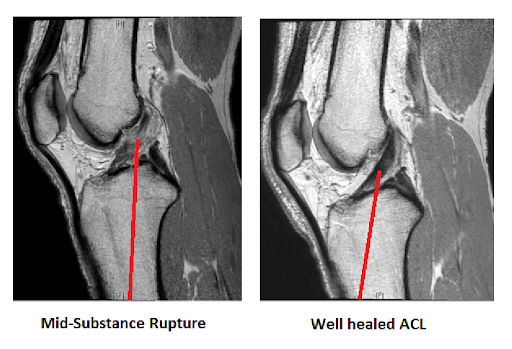
Modern clinical evidence is shifting the ACL paradigm in Singapore. High-quality research—including the KANON trial—demonstrates that conservative, exercise-based care is just as effective as surgery for long-term function.
Spontaneous Healing: Evidence shows up to 30% of “full” tears can heal on their own without reconstruction.
Equal Outcomes: Rehab-only patients report identical function and pain levels as surgical patients at 5-year follow-ups.
Joint Preservation: Active recovery avoids surgical risks while maintaining your natural joint mechanics.
The Clinical Truth
Structural damage does not equal permanent dysfunction. Whether through natural healing or building a “muscular brace,” progressive loading is the primary driver of your recovery.
CLINICAL INDICATIONS
Knee Conditions Solved via Active Recovery
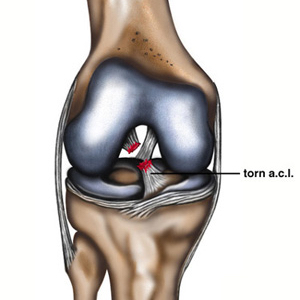
ACL & Ligaments
Goal: Eliminate “loose hinge” sensation
How: Restoring ligament stability via the SQ1 Protocol
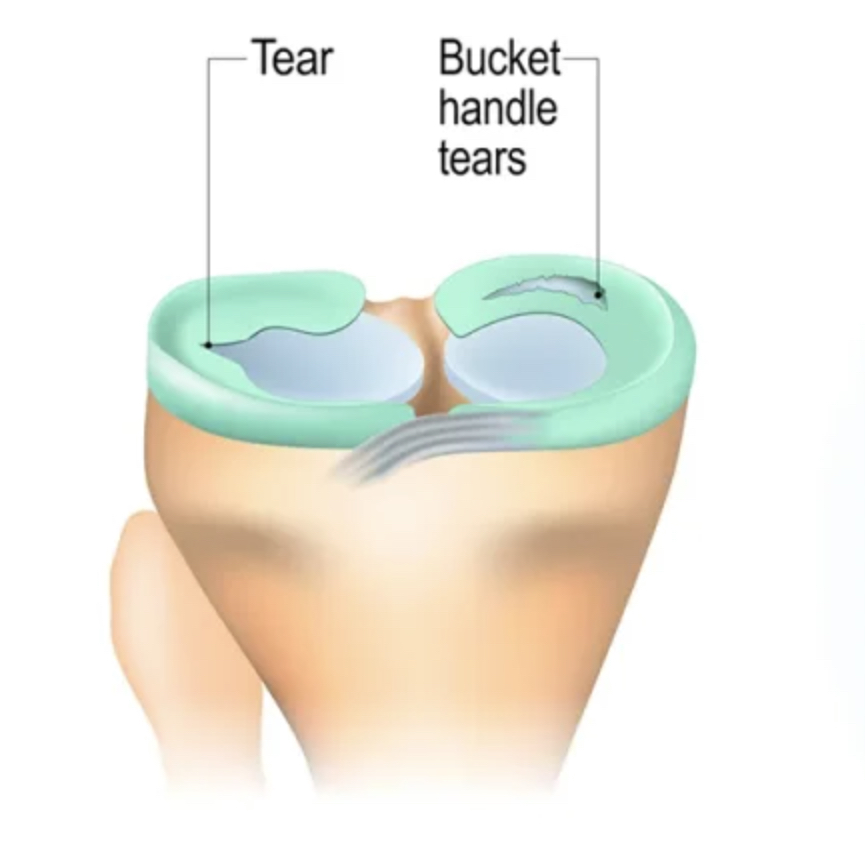
Meniscus Injuries
Goal: Resolve locking & catching
How: Improve knee tracking and loading capacity to make arthroscopy redundant
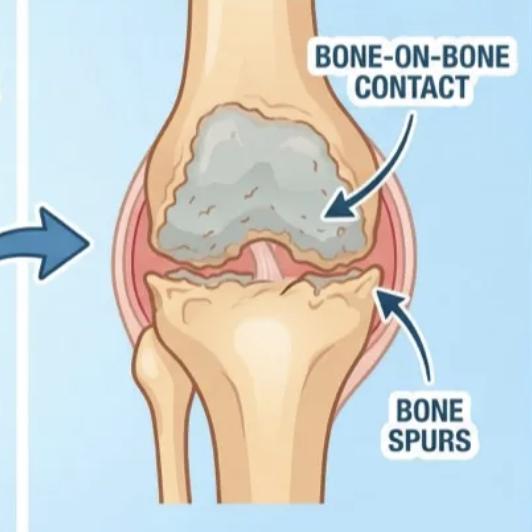
Osteoarthritis
Goal: Offload the “bone-on-bone”
How: Build a muscular brace to delay or avoid knee replacement
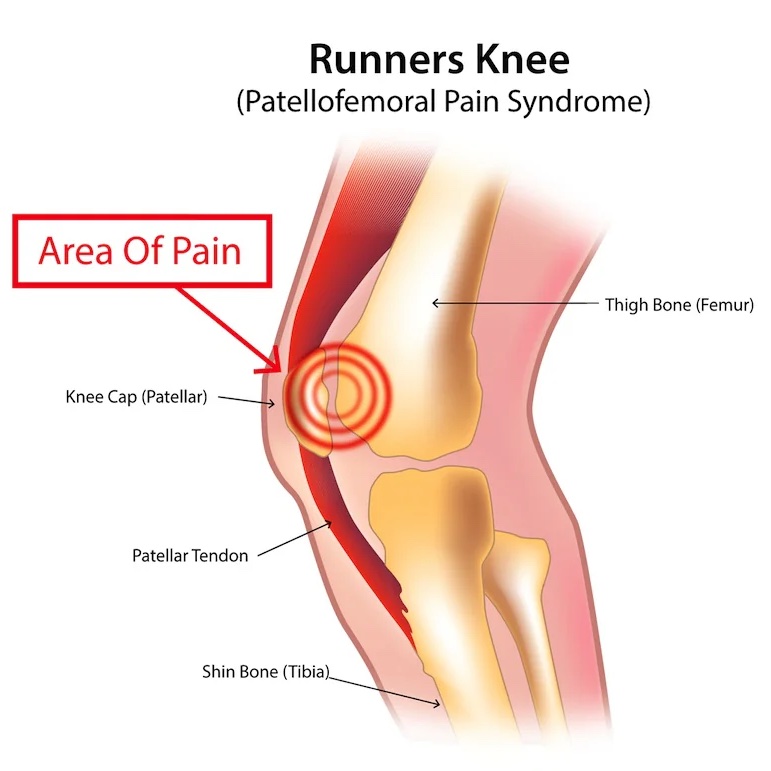
Runner’s Knee
Goal: Run pain free!
How: Identifying the capacity gap in quads, hamstrings and hips
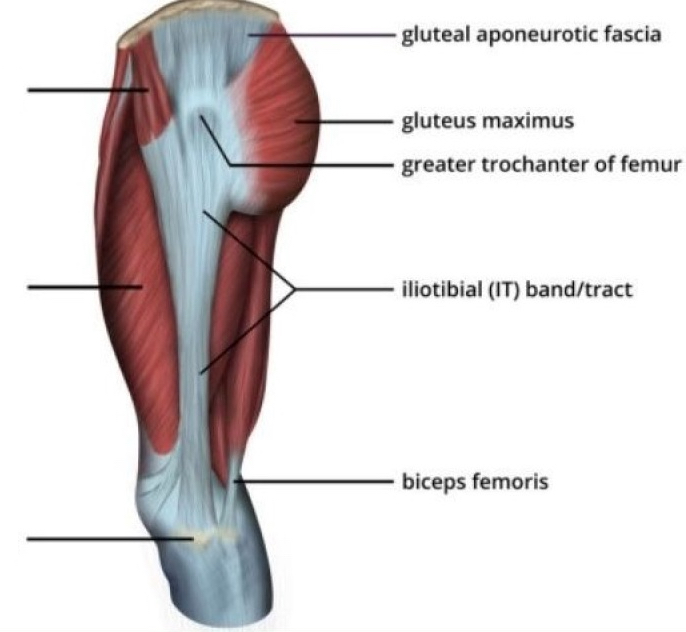
IT Band Syndrome
Goal: No more ITB tightness
How: Address lateral hip weakness and fascia resilience instead of just stretching
Noisy Joints
Goal: Smooth, lubricated knee joint
How: Restore tendon and joint mechanics through selective strengthening
Knee Pain Treatments: Rehab & Strength Training
EVIDENCE-BASED PAIN SOLUTION
Injury
Rehabilitation
We utilise targeted exercises to desensitise the knee and rapidly reduce symptoms. By addressing foundational muscle and joint issues, we bridge the gap so you can transition to being move pain-free.
Clinical
Pilates
Gentle exercise approach that allows you to work on motor control and core stability while supine. No weight bearing on painful knee joints! Ideal for acute pain or those who prefer low-impact, technical movement.
Strength and
Conditioning
Once you are pain-free, strength and conditioning is your insurance policy. We build high-capacity tissue and structural robustness to prevent future pain episodes and facilitate safe return to sports without re-injury.
Clinical Reality
Why Active Recovery Beats Passive Sports Massage
Relying on massages or dry needling creates a temporary “window” of relief without building actual capacity.
Without strength training, joint and muscles remain weak, leaving the knee vulnerable to re-injury.
Avoiding movement leads to permanent loss of range of motion and loss of function over time.
Understanding Your Pathway
Restore function by increasing your natural capacity to handle load.
Restoring pain-free function and range of motion through evidence-based exercise.
Correctly “dosing” movement to stay active in Singapore without causing flare-ups.
Building a “muscular brace” to protect joint surfaces and ligaments.
Hands-on techniques to reduce sensitivity and create a window for movement.
Interventions for structural failure or severe trauma.
Temporary chemical suppression of inflammation; does not address weakness.
Biological injections aimed at joint lubrication or tissue signaling.
Keyhole surgery to trim or clean joint structures; often avoidable with rehab.
The final option when conservative load management is no longer viable.

The Founder
Jesse Cai
Jesse Cai is a published chiropractor with a unique mission: to make his own services redundant to you. Since founding Square One Active Recovery in 2018, Jesse has worked to bridge the gap between “patch-up” care and high-function living—a perspective shaped by his extensive experience with elite athletes in Australia, including the Australian Football League (AFL) and national sporting clubs. Having served as the Head Sport Trainer for Forrestfield FC, a board member of Sports Chiropractic Australia, and a member of Sports Medicine Australia, he brings a high-performance clinical standard to his Singapore practice. Today, Jesse utilises a Solution-Focused Coaching approach, partnering with you to identify your strengths and build a level of physical robustness that ensures you graduate from treatment with the tools to handle anything life throws at you.
Solution-Focused
Sports Chiropractic
THE PROCESS
The 3-Stage SQ1 Protocol
Desensitisation
We calm the joint down by identifying triggers. Instead of “total rest,” we find your optimal loading zone to maintain activity without aggravating the injury.
Load Tolerance
This is where we build your muscular brace. We use progressive resistance training to ensure your knee can handle the stresses of daily life and heavy lifting.
Resilience
The final bridge to performance. We reintegrate running, sport-specific drills, and high-impact movements so you can trust your knee again in any environment.
The Science of SQ1
Why the SQ1 Protocol Works
We don’t just “exercise”—we systematically increase tissue demand to force the biological adaptation of your tendons and cartilage.
Your brain “shuts down” muscles near painful joints. We use specific loading patterns to re-engage your quads and glutes for dynamic stability.
By finding your “optimal loading zone,” we teach your nervous system that movement is safe, effectively lowering your baseline pain sensitivity.
YOUR PATH
Your Recovery Journey
Consultation
We discuss your history and goals to see if our active approach fits your needs.
Assessment
A physical evaluation of your range of motion and load tolerance.
SQ1 Protocol
Evidence-based loading to desensitise pain and build resilience.
Education
Empowering you with the skills to maintain your own long-term joint health.
IS THIS FOR YOU?
The Square One Difference
Perfect for those who…
- ✔ Are tired of “managing” pain with temporary adjustments
- ✔ Have been told they “need surgery” but want a second opinion
- ✔ Want to climb stairs, walk & perform daily movements without pain
- ✔ Value evidence-based care over traditional “quick fixes”
What to expect…
- ★ Autonomy: Tools to manage your own recovery.
- ★ Clarity: A clear, staged roadmap with zero guesswork.
- ★ Strength: A knee that is objectively stronger than before.
- ★ Longevity: Results that last years, not just days.
Our mission is to reduce your dependency on unnecessary treatments and restore your freedom of movement.
FREQUENTLY ASKED QUESTIONS
How is this different from traditional physiotherapy or chiropractic?
Most traditional clinics focus on passive care (massage, ultrasound, TENS) which offers temporary relief. The SQ1 Protocol is 100% active. We focus on progressive loading and strength training to build a “muscular brace,” ensuring your results are permanent and you don’t stay dependent on a therapist.
What if I have 'bone-on-bone' osteoarthritis?
“Bone-on-bone” is a clinical observation, not a sentence to pain. Pain in OA is often related to the capacity gap. By strengthening the structures around the joint, we can offload the pressure and restore function, even in cases of significant structural wear.
I have a torn ACL or Meniscus. Can I still avoid surgery?
Yes. Modern clinical evidence shows that many “full” ACL tears show evidence of spontaneous healing on follow-up MRIs. For those that don’t, building superior muscular stability allows many patients to return to high-level sport with a stable, functional knee without a knife.
How long until I see results?
Most patients experience a significant reduction in pain within the first 4 weeks as we complete Stage 1 (Desensitisation). Full structural resilience and a return to high-impact movement typically occurs over a 3-to-6 month period.
Do I need a doctor's referral?
No. You can book your Initial Movement Analysis directly with us. We conduct a full clinical assessment to ensure that the SQ1 Protocol is the right fit for your specific condition before we begin.
Do I need an MRI or X-ray before starting?
In most cases, no. Diagnostic imaging like MRIs, X-rays, and Ultrasound is primarily useful if you are actively considering surgery or need to rule out systemic issues (which may require blood tests or joint aspiration). For the majority of chronic knee pain cases, these scans often reveal “structural wear” that is a normal part of aging and frequently unrelated to your actual pain levels.
Our clinical priority is the Physical Examination—testing your range of motion, stability, and load tolerance. We focus on treating the person and their functional capacity, rather than just the “picture” on a scan. If your initial assessment suggests a clinical “red flag,” we will refer you to the appropriate medical specialist for further imaging.
READY TO MOVE BEYOND KNEE PAIN?
Stop the cycle of recurring pain and start building long-term resilience.
Whether you’re dealing with a recent ACL tear or years of chronic osteoarthritis, the SQ1 Protocol is designed to give you the strength and autonomy to live pain-free.
No referral needed • Evidence-based active recovery • Singapore