
EVIDENCE-BASED RECOVERY
Knee Pain Chiropractor Singapore – Long-Term Recovery Without Surgery
By Jesse Cai (Chiropractor, BSci, BChiro) | Murdoch University
Aligned with Singapore’s 2026 ACE Clinical Guidelines for Knee Osteoarthritis
Last updated: May 2026
If you’re looking for a knee pain chiropractor in Singapore who focuses on long-term recovery rather than temporary relief, you’re in the right place. At Square One, we specialise in functional longevity and chronic pain recovery through evidence-based exercise. Our approach uses pilates to restore range of motion and clinical strength training to build a ‘muscular brace’ around your knee, reducing your dependency on passive treatments.
With medical costs in Singapore projected to rise 16.9% in 2026—largely driven by an ageing population—now is the time to invest in conservative care. According to The Straits Times, these rising costs are impacting musculoskeletal care significantly, making proactive, non-surgical recovery a vital investment in your future health.
Rated 5/5 stars 🌟 by 150+ Google reviews.
Book your assessment today!
Common Clinical Presentations
Sharp Pain
Often associated with acute loading issues.
Dull Ache
Common in overuse or arthritic conditions.
Swelling
Inflammation indicating joint stress.
Instability
Feeling of “giving way” during movement.
Mechanical
Grinding, popping, or joint locking.
Electric Shock
Pins and needles or loss of sensation.
CLINICAL PERSPECTIVE
WHAT IS KNEE PAIN?
-
A Load Management Failure: It is fundamentally a mismatch where the physical demands of your movement exceed the current tolerance of your knee joint.
- The Capacity Gap: The difference between the stress placed on your knee during daily life and the actual strength of your “muscular brace.”
- Beyond “Wear and Tear”: Chronic pain is often less about structural damage and more about a lack of tissue resilience and progressive loading.
Understanding Knee Alignment
The knee is often called a slave to the hip and the ankle. Its health depends on the relationship between the thigh bone, the shin bone and the kneecap.
Bowed Legs
Genu Varum puts extra pressure on the inner part of the knee. This often leads to wear and tear in the medial compartment over time.
Knock Knees
Genu Valgum increases stress on the outer part of the joint. It is a common cause of pain behind the kneecap during daily movement.
Tracking Issues
This happens when the kneecap does not glide smoothly in its groove. It is usually caused by muscle imbalances in the thighs or hips.
Static vs Dynamic
Static alignment is how your bones sit while you stand still. Dynamic alignment is how your joint tracks under load. True stability is about how your knee handles weight while you move.
Movement is the key to teaching your joints how to stay aligned naturally.
Knee Pain Symptoms and Clinical Causes
Identifying common mechanical issues and effective recovery strategies
Why does my knee make a snapping or strumming sound?
+
A strumming or snapping sensation in the knee often feels like a guitar string being plucked across the bone. In a clinical setting this usually points to two specific conditions involving tendon friction.
•
Iliotibial Band Syndrome: This occurs when the IT band flicks over the outer femoral epicondyle during movement.
•
Pes Anserine Syndrome: This involves tendons on the inner knee rubbing against the shin bone due to inflammation.
Is foam rolling effective for chronic knee tightness?
+
Many people attempt to roll out knee tightness using a foam roller or massage. While these methods provide temporary relief the physiological effect typically lasts only about twenty minutes.
Persistent tightness is often a protective mechanism known as muscle guarding. Your brain shortens the muscle to stabilise a joint it perceives as weak. You cannot solve instability through stretching alone.
The most effective treatment is Progressive Loading. Building muscle capacity stops the guarding response and reduces the snapping sensation naturally.
What causes clicking and grinding sounds in the knee?
+
Knee crepitus is the clinical term for popping or grinding sounds. This is often caused by gas bubbles in the joint fluid or ligaments moving over bony structures.
If these sounds happen during squats it suggests a biomechanical issue. Adjusting your movement patterns can often quiet the knee by improving how the kneecap tracks.
The Posterior Hinge
Shift your hips backwards during a squat to reduce the mechanical load on the kneecap.
Hamstring Tension
Maintain tension in the back of the legs to create better alignment and smoother joint tracking.
The 5 Real Drivers of Knee Pain
Most knee treatment in Singapore focuses only on symptoms. To achieve lasting recovery we must address the mechanical and chemical drivers that cause joint breakdown.
Mechanical Overload
This is direct physical pressure on the joint. It happens when the load from daily activities exceeds your physical limits or when poor alignment causes the kneecap to rub against the thigh bone.
Body Fat Metabolic and Chemical Load
Body fat acts as a chemically active organ. It releases inflammatory proteins into the bloodstream that can irritate joint surfaces and accelerate cartilage wear even without physical impact.
Localised Inflammation
Inflamed tissues release acidic substances that chemically irritate the nerves. This explains why your knee might feel stiff or achy in the morning or after sitting for long periods.
Neural Sensitivity
A chronically irritated nerve becomes hypersensitive. Recovery in these cases requires active loading to desensitise the nervous system and restore normal movement patterns.
Functional Weakness
Weakness in the glutes and core forces the knee to take too much stress. Without building muscular capacity simple activities like walking or picking up groceries will continue to trigger pain.
Why exercise wins the long game
1. The Capacity Gap
Pain occurs when the load on your knee exceeds its strength. Adjustments offer a temporary pain relief but they do not change your physical limits. A weak knee still remains weak after adjustments.
The Fix: Progressive loading builds a muscular brace using quads and hips that physically shields the joint.
2. Tissue Resilience
Chronic knee pain is rarely just about alignment. It is about how well your tissues can handle stress. By putting your body through different types of controlled stress will allow your body to adapt and become more resilient towards daily life stressors.
The Fix: Movement encourage your body to adapt through mechanotransduction and makes your cartilage healthier.
“Adjustments provide a window of opportunity by reducing pain but exercise gives you a strong foundation. True recovery is moving from fragile to resilient.”
Building Your Muscular Brace
Internal Support
A muscular brace is your natural version of an external knee support. By strengthening the quadriceps and hamstrings you create a structural sleeve that absorbs impact before it reaches the sensitive joint surfaces.
Dynamic Stability
Exercises train your muscles to react faster to uneven ground. This neuromuscular control ensures your kneecap tracks correctly and prevents the micro shifts that lead to chronic inflammation and sharp pain.
The Anchor Point
The knee is often a victim of weak hips. Building a brace includes strengthening the glutes to control the rotation of the thigh bone. This takes the twisting pressure off the knee and distributes load across the entire leg.
Movement is not just activity. It is the process of engineering a more resilient physical structure.
FREE DOWNLOAD: SECRETS OF RECOVERY FROM CHRONIC KNEE PAIN
Discover why most knee treatments fail and how to build a “muscular brace” for long-term stability. Please ensure your details are correct so we can send the guide to you within 24 hours.
THE WHY
Key Factors for Knee Pain in Singapore’s Population
Muscle Weakness
Weak hips and quads force the joint to absorb impact it wasn’t designed to handle alone.
Overloading
Spiking activity levels too fast without allowing for tissue recovery and adaptation.
Previous Injury
Past trauma can alter movement patterns, leading to compensations that stress the knee today.
Biological Changes
Natural tissue changes over age 40 require consistent strength maintenance to stay resilient.
Mechanical Load
Increased body weight places a higher baseline mechanical stress on weight-bearing joints.
Psychosocial
Sleep, stress, and anxiety can sensitise the nervous system and amplify your pain experience.
← Swipe to view all factors →
Clinical Reality
The Cost of
Untreated Pain
Chronic disuse leads to muscle wasting.
Secondary pain from compensatory movement patterns.
Unable to carry out daily activities like stairs or squatting.
BEYOND THE KNIFE
Surgery is Not Your Only Option
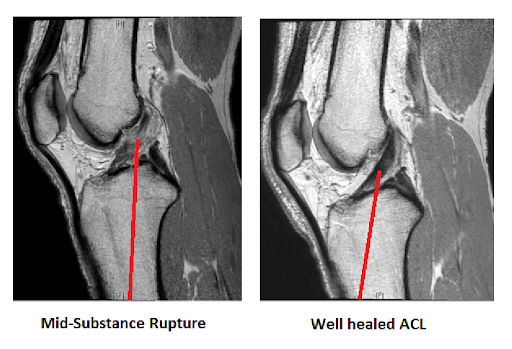
Modern clinical evidence is shifting the ACL treatment in Singapore. High-quality research, including the KANON trial, demonstrates that conservative, exercise-based care is just as effective as surgery for long-term function.
•
Spontaneous Healing: Evidence shows up to 30% of “full” tears can heal on their own without reconstruction.
•
Equal Outcomes: Rehab-only patients report identical function and pain levels as surgical patients at 5-year follow-ups.
•
Joint Preservation: Active recovery avoids surgical risks while maintaining your natural joint mechanics.
The Clinical Truth
Structural damage does not equal permanent dysfunction. Whether through natural healing or building a “muscular brace,” progressive loading is the primary driver of your recovery.
CLINICAL INDICATIONS
Knee Conditions Solved via Active Recovery
Joint Stability
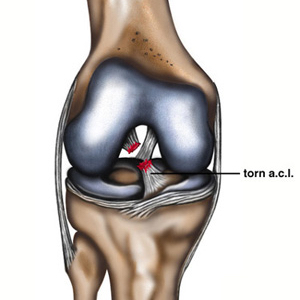
ACL & Ligaments
Goal: Eliminate “loose hinge” sensation
How: Restoring ligament stability via the SQ1 Protocol
Knee Tracking
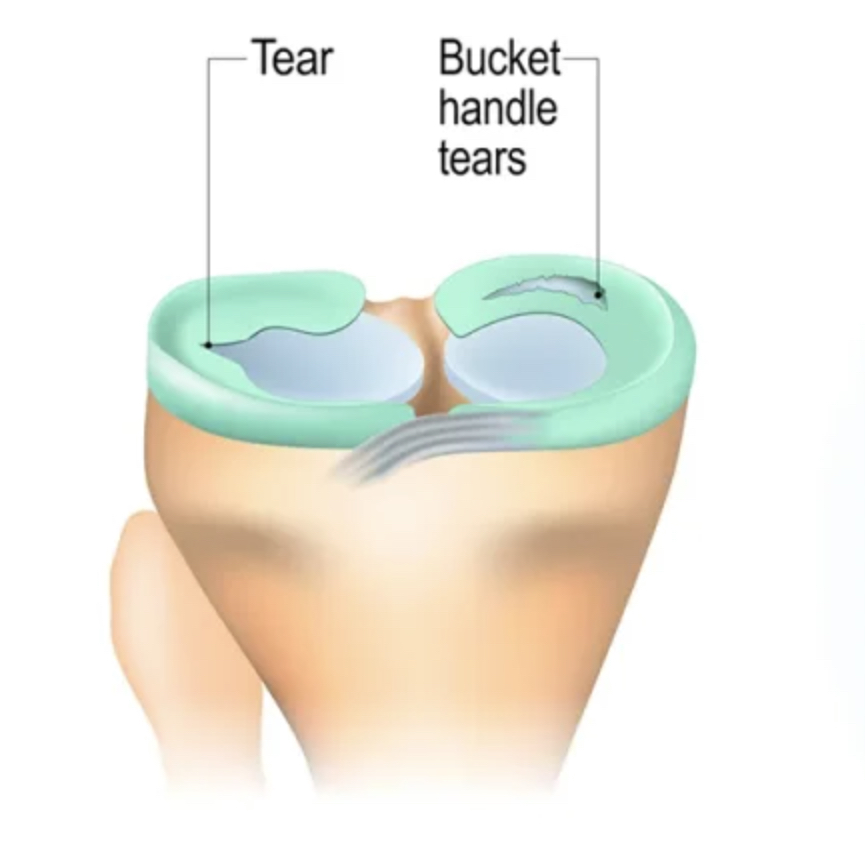
Meniscus Injuries
Goal: Resolve locking & catching
How: Improve knee tracking and loading capacity to make arthroscopy redundant
Biological Bracing
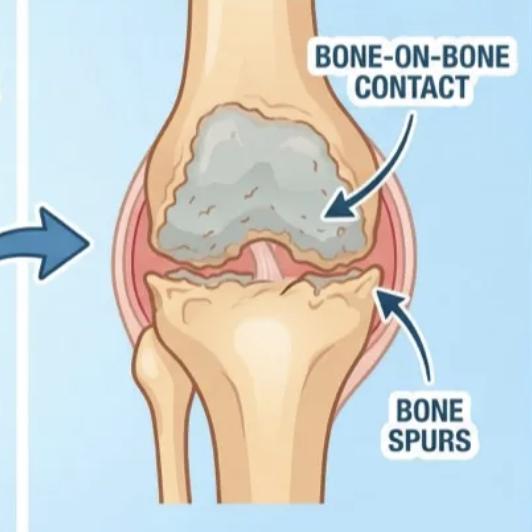
KNEE Osteoarthritis
Goal: Offload the “bone-on-bone”
How: Build a muscular brace to delay or avoid knee replacement
Load Capacity
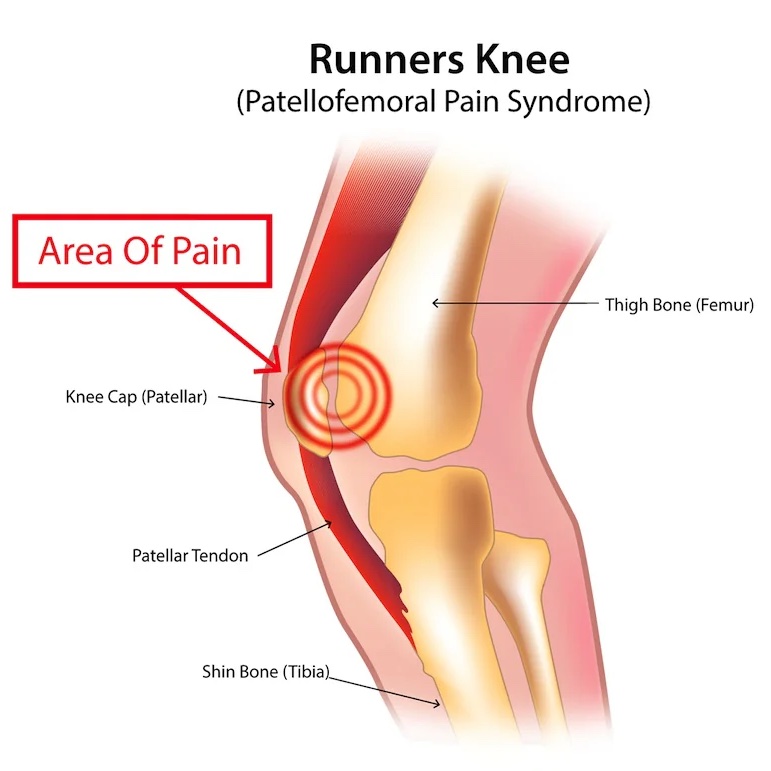
Runner’s Knee
Goal: Run pain free!
How: Identifying the capacity gap in quads, hamstrings and hips
Hip Control
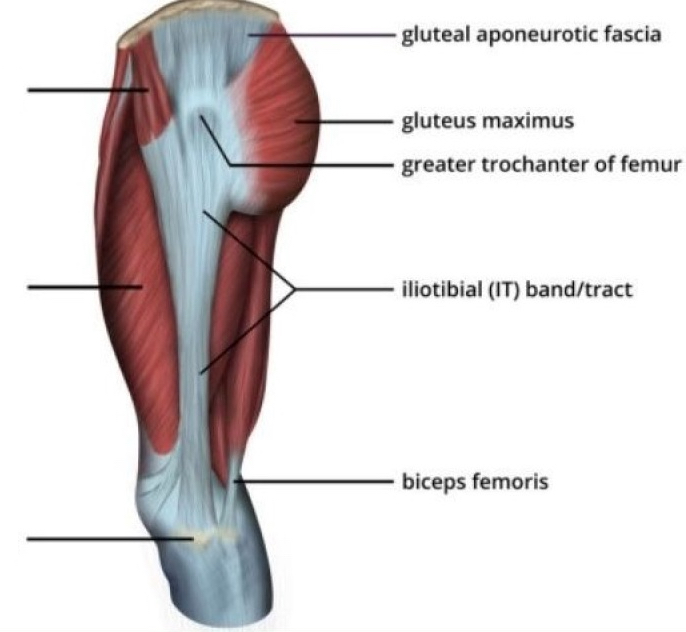
IT Band Syndrome
Goal: No more ITB tightness
How: Address lateral hip weakness and fascia resilience instead of just stretching
Joint Mechanics
Noisy Joints
Goal: Smooth, lubricated knee joint
How: Restore tendon and joint mechanics through selective strengthening
Definition
An autoimmune condition where the immune system mistakenly attacks the synovium causing inflammation and potential joint erosion.
- Stage 1: Synovitis causing early joint capsule swelling.
- Stage 2: Formation of pannus tissue that begins to degrade cartilage.
- Stage 3: Extensive cartilage loss and bone erosion.
- Stage 4: Loss of joint function and potential bony fusion.
How We Treat It
We focus on joint-sparing strength training and low-impact movement to maintain bone density and muscle mass. By optimising the supporting structures, we reduce the mechanical stress on the inflamed joint surfaces and preserve functional independence.
Definition
A functional condition characterised by pain around or behind the kneecap during weight-bearing activities. It is typically caused by a mismatch between the load applied to the joint and the knee’s actual capacity to handle that force.
How We Treat It
We implement a progressive loading programme designed to increase the tolerance of the quadriceps and gluteal muscles. This improves patellar tracking and ensures the knee can absorb force efficiently without triggering a pain response.
Definition
The physical degradation of the cartilage on the underside of the patella. This involves the fraying or thinning of the smooth protective surface rather than just a functional tracking issue.
How We Treat It
While cartilage has limited healing potential, we treat this by building a muscular brace around the joint. By strengthening the quads in pain-free ranges, we reduce the friction and pressure on the damaged areas during daily movement.
Definition
A rupture or mechanical disruption of the fibrocartilage pads that act as the primary shock absorbers of the knee. These are categorised as either traumatic injuries or age-related degenerative changes.
How We Treat It
We focus on neuromuscular control and axial loading exercises. By teaching the knee to remain stable during rotation and compression, we allow the tear to become asymptomatic and avoid the need for surgical trimming.
Definition
Damage to the fibrous tissues that connect bone to bone and provide passive stability to the knee joint.
- Grade 1: Minor stretching of the ligament fibers with no significant joint laxity.
- Grade 2: A partial tear of the ligament that results in noticeable looseness but maintains a definite end point.
- Grade 3: A complete rupture of the ligament leading to significant joint instability and loss of structural integrity.
How We Treat It
Treatment involves intensive strength training to compensate for the lost passive stability. We use reactive drills to improve proprioception and ensure the muscles can protect the joint against sudden movements or pivoting forces.
Definition
A broad term for tendon injuries that fail to adapt to load. This encompasses two distinct states of tendon health.
- Tendinitis: An acute inflammatory response usually following a sudden increase in activity or direct trauma.
- Tendinosis: A chronic degenerative state where the collagen fibers within the tendon become disorganised due to repetitive failed healing.
How We Treat It
Tendons require specific mechanical tension to remodel. We use heavy slow resistance training and isometric holds to stimulate collagen repair and increase the tendon’s ability to store and release energy without pain.
When to Seek Help
If you are experiencing any of the following symptoms, a professional assessment is recommended to prevent further joint degradation.
Inability to Weight Bear
Experiencing sharp pain or a lack of stability when standing or walking.
Pain During Sports
Persistent irritation, catching, or clicking that limits your athletic performance.
Pain on Stairs
Aching or mechanical pressure felt specifically when ascending or descending steps.
Reduced Range of Motion
Inability to fully straighten the leg or bend the knee through its normal path.
Difficulty with Daily Tasks
Struggling with foundational movements like squatting or rising from a chair.
Knee Instability
A sensation of the joint giving way, shifting, or buckling during movement.
Knee Pain Treatments: Rehab & Strength Training
EVIDENCE-BASED PAIN SOLUTION
Injury
Rehabilitation
We utilise targeted exercises to desensitise the knee and rapidly reduce symptoms. By addressing foundational muscle and joint issues, we bridge the gap so you can transition to being move pain-free.
Clinical
Pilates
Gentle exercise approach that allows you to work on motor control and core stability while supine. No weight bearing on painful knee joints! Ideal for acute pain or those who prefer low-impact, technical movement.
Strength and
Conditioning
Once you are pain-free, strength and conditioning is your insurance policy. We build high-capacity tissue and structural robustness to prevent future pain episodes and facilitate safe return to sports without re-injury.
Clinical Reality
Why Active Recovery Beats Passive Sports Massage
Relying on massages or dry needling creates a temporary “window” of relief without building actual capacity.
Without strength training, joint and muscles remain weak, leaving the knee vulnerable to re-injury.
Avoiding movement leads to permanent loss of range of motion and loss of function over time.
Diagnostic Imaging: When You Actually Need It
A scan is only useful if it changes the course of your treatment. Most knee issues can be diagnosed through physical examination but specific red flags require a closer look to ensure joint safety.
Remember that an MRI captures a single moment in time. Many findings on a scan are normal age related changes that do not actually cause pain.
Treat the patient not the scan
Understanding Your Pathway
Restore function by increasing your natural capacity to handle load.
Injury Rehab
Restoring pain-free function and range of motion through evidence-based exercise.
Activity Modification
Correctly “dosing” movement to stay active in Singapore without causing flare-ups.
Strength & Conditioning
Building a “muscular brace” to protect joint surfaces and ligaments.
Manual Therapy & TCM
Hands-on techniques to reduce sensitivity and create a window for movement.
Interventions for structural failure or severe trauma.
Cortisone Injections
Temporary chemical suppression of inflammation; does not address weakness.
PRP / Viscosupplementation
Biological injections aimed at joint lubrication or tissue signaling.
Arthroscopy
Keyhole surgery to trim or clean joint structures; often avoidable with rehab.
Total Replacement
The final option when conservative load management is no longer viable.

The Founder
Jesse Cai
Jesse Cai is a published chiropractor with a unique mission: to make his own services redundant to you. Since founding Square One Active Recovery in 2018, Jesse has worked to bridge the gap between “patch-up” care and high-function living—a perspective shaped by his extensive experience with elite athletes in Australia, including the Australian Football League (AFL) and national sporting clubs. Having served as the Head Sport Trainer for Forrestfield FC, a board member of Sports Chiropractic Australia, and a member of Sports Medicine Australia, he brings a high-performance clinical standard to his Singapore practice. Today, Jesse utilises a Solution-Focused Coaching approach, partnering with you to identify your strengths and build a level of physical robustness that ensures you graduate from treatment with the tools to handle anything life throws at you.
Solution-Focused
Sports Chiropractic
THE PROCESS
The 3-Stage SQ1 Protocol
Desensitisation
We calm the joint down by identifying triggers. Instead of “total rest,” we find your optimal loading zone to maintain activity without aggravating the injury.
Load Tolerance
This is where we build your muscular brace. We use progressive resistance training to ensure your knee can handle the stresses of daily life and heavy lifting.
Resilience
The final bridge to performance. We reintegrate running, sport-specific drills, and high-impact movements so you can trust your knee again in any environment.
The Science of SQ1
Why the SQ1 Protocol Works
Progressive Overload
We don’t just “exercise”—we systematically increase tissue demand to force the biological adaptation of your tendons and cartilage.
Neuromuscular Re-education
Your brain “shuts down” muscles near painful joints. We use specific loading patterns to re-engage your quads and glutes for dynamic stability.
Systemic Desensitisation
By finding your “optimal loading zone,” we teach your nervous system that movement is safe, effectively lowering your baseline pain sensitivity.
YOUR PATH
Your Recovery Journey
Consultation
We discuss your history and goals to see if our active approach fits your needs.
Assessment
A physical evaluation of your range of motion and load tolerance.
SQ1 Protocol
Evidence-based loading to desensitise pain and build resilience.
Education
Empowering you with the skills to maintain your own long-term joint health.
IS THIS FOR YOU?
The Square One Difference
Perfect for those who…
- ✔ Are tired of “managing” pain with temporary adjustments
- ✔ Have been told they “need surgery” but want a second opinion
- ✔ Want to climb stairs, walk & perform daily movements without pain
- ✔ Value evidence-based care over traditional “quick fixes”
What to expect…
- ★ Autonomy: Tools to manage your own recovery.
- ★ Clarity: A clear, staged roadmap with zero guesswork.
- ★ Strength: A knee that is objectively stronger than before.
- ★ Longevity: Results that last years, not just days.
Our mission is to reduce your dependency on unnecessary treatments and restore your freedom of movement.
Strategies for Prevention
Joint health is not about avoiding movement, but about building the capacity to handle it. True prevention focuses on reducing dependency on treatment through strategic lifestyle adjustments.
Maintain a Healthy Weight
Every extra kilogram adds four times the amount of pressure to your knee joints with every step. Managing your weight is the most effective way to mechanically de-load the joint and slow down degenerative changes.
Condition for Your Lifestyle
Injuries often happen when the demands of your life exceed your physical capacity. Whether it is hiking, playing with grandchildren, or sports, you must condition your muscles and tendons to handle those specific loads.
Educate Yourself
Be discerning with the health advice you consume. Understanding the difference between passive relief and active recovery allows you to make informed decisions that promote long-term independence rather than temporary fixes.
FREQUENTLY ASKED QUESTIONS
How is this different from traditional physiotherapy or chiropractic?
Most traditional clinics focus on passive care (massage, ultrasound, TENS) which offers temporary relief. The SQ1 Protocol is 100% active. We focus on progressive loading and strength training to build a “muscular brace,” ensuring your results are permanent and you don’t stay dependent on a therapist.
What if I have 'bone-on-bone' osteoarthritis?
“Bone-on-bone” is a clinical observation, not a sentence to pain. Pain in OA is often related to the capacity gap. By strengthening the structures around the joint, we can offload the pressure and restore function, even in cases of significant structural wear.
I have a torn ACL or Meniscus. Can I still avoid surgery?
Yes. Modern clinical evidence shows that many “full” ACL tears show evidence of spontaneous healing on follow-up MRIs. For those that don’t, building superior muscular stability allows many patients to return to high-level sport with a stable, functional knee without a knife.
How long until I see results?
Most patients experience a significant reduction in pain within the first 4 weeks as we complete Stage 1 (Desensitisation). Full structural resilience and a return to high-impact movement typically occurs over a 3-to-6 month period.
Do I need a doctor's referral?
No. You can book your Initial Movement Analysis directly with us. We conduct a full clinical assessment to ensure that the SQ1 Protocol is the right fit for your specific condition before we begin.
Do I need an MRI or X-ray before starting?
In most cases, no. Diagnostic imaging like MRIs, X-rays, and Ultrasound is primarily useful if you are actively considering surgery or need to rule out systemic issues (which may require blood tests or joint aspiration). For the majority of chronic knee pain cases, these scans often reveal “structural wear” that is a normal part of aging and frequently unrelated to your actual pain levels.
Our clinical priority is the Physical Examination—testing your range of motion, stability, and load tolerance. We focus on treating the person and their functional capacity, rather than just the “picture” on a scan. If your initial assessment suggests a clinical “red flag,” we will refer you to the appropriate medical specialist for further imaging.
READY TO MOVE BEYOND KNEE PAIN?
Stop the cycle of recurring pain and start building long-term resilience.
Whether you’re dealing with a recent ACL tear or years of chronic osteoarthritis, the SQ1 Protocol is designed to give you the strength and autonomy to live pain-free.
No referral needed • Evidence-based active recovery • Singapore