
Clinical Insight
Cervical Disc HerNIATION and Radiculopathy
Dealing with nagging neck pain accompanied by electric shocks, numbness, or tingling down your arm when practicing yoga or working at your desk? You are encountering a clear sign that a cervical nerve root is experiencing mechanical distress.
At Square One Active Recovery, we regularly care for individuals dealing with cervical disc bulges and clinical radiculopathy. As an evidence-based chiropractor clinic in Singapore, we help patients shift away from traditional, short-term manual adjustments toward long-term, high-capacity training. This comprehensive guide details the biomechanics of neck disc herniation, how nerve compression patterns manifest in the upper extremity, and the evidence-led pathways to build true spinal resilience without relying on short-term passive treatments.
If you are struggling with limited neck rotation, radiating shoulder pain, or an objective loss of hand grip strength, our targeted rehabilitation protocols are designed to help. By integrating clinical pilates for precise movement control with progressive strength training, we isolate the specific mechanical triggers of your condition. This structured approach outlines a sustainable, evidence-led path back to exercise and everyday life completely pain-free.
Are You Experiencing Cervical Nerve Root Irritation?
Common warning indicators that reveal a neck disc is actively impinging on adjacent neural structures include specific physical changes.
Localised Mechanical Symptoms in the Neck
- • Sharp localised ache deep within the cervical spine segments
- • Severe muscle bracing and guarding across the upper traps and neck
- • Pain that intensifies when looking upward or tucking your chin
- • Pronounced stiffness that severely limits basic rotational movement
Early Upper Limb Neurological Presentation
- • Dull persistent ache tracking into the shoulder blade or upper arm
- • Intermittent tingling sensations in the forearm during desk work
- • Sensation of muscle tightness in the forearm that resists stretching
- • Heightened discomfort that travels further down the arm when loaded
Advanced Radiculopathy Clinical Assessment Required
- ✔ Sharp electric shock like pain shooting past the elbow down to the fingers
- ✔ Patchy numbness or loss of physical sensation in specific dermatomal zones
- ✔ Objective muscle weakness such as dropping handheld items or decreased grip
- ✔ Diminished or entirely absent deep tendon bicep reflexes upon testing
If you are noticing any signs in this third group then these indicate distinct cervical nerve root compression and require comprehensive neurological evaluation. Even minor mechanical pain patterns in the first two columns merit active care to mitigate long term structural changes.
CLINICAL PERSPECTIVE
WHAT IS A CERVICAL DISC BULGE?
- •
A Dynamic Adaptation: Cervical intervertebral discs act as complex structural cushions situated between the bones of your neck. Modern neuro biomechanical research shows that neck discs are robust living tissues capable of adapting healing and changing over time under guided rehabilitation.
- •
An Anatomical Change: A neck disc bulge simply means the outer boundary of the disc extends past its normal structural footprint. This is a common response to repetitive posture stresses such as sustained desk work or sudden physical loading peaks.
- •
Often Silent and Common: Neck structures naturally adapt to regular loads. In environments filled with forward head positioning or heavy lifting the disc composition shifts to handle that physical pressure. For many individuals this is a silent adaptation that exists entirely without pain.
Clinical Classification
The Four Stages of Cervical Disc Displacement
Spinal disc pathology exists on a structural continuum. Correctly identifying where your tissue falls on this spectrum helps demystify your MRI findings and guides our active rehabilitation strategy.
1. Disc Bulge
A broad, symmetrical extension of the disc’s outer wall past its normal footprint. The tough outer ring (annulus) remains completely intact, and the inner core does not shift focus. This is a common, often silent physical adaptation to cumulative postural loading.
2. Protrusion
A localised, asymmetrical focal shift. The inner jelly-like nucleus pushes deeper into a weakness or tear within the inner layers of the outer wall, creating a specific structural prominence. This localised shape change is more likely to cause focal mechanical contact with nearby nerve channels.
3. Extrusion
An advanced structural shift where the soft inner core material breaks completely through all outer layers of the disc wall. While the displaced material extends outside the disc’s standard boundaries, it remains fundamentally connected to the primary disc body structure.
4. Sequestration
Occurs when a fragment of the extruded inner core separates entirely and breaks away from the main disc structure, migrating into the spinal canal space. Though clinically striking, these free-floating fragments trigger a strong immune response, often resulting in complete spontaneous resorption over time.
Pathology Insight
Primary Causes of Cervical Radiculopathy
Nerve root irritation occurs when the neural exit pathway (the intervertebral foramen) is compromised. This is driven by distinct mechanical and biochemical changes within the cervical spine structures.
- 01
Disc Herniation
Displaced disc material exerts direct mechanical pressure on the adjacent nerve root. Crucially, this is accompanied by the release of chemically acidic fluids from the disc nucleus, creating intense biochemical irritation and localised neuro-inflammation.
- 02
Bone Spurs (Osteophytes)
Over time, repetitive mechanical stress can lead to the formation of bone spurs along the vertebral edges. These bony outgrowths can physically encroach into the neural pathways, reducing the clearance space available for exiting nerve fibers.
- 03
Facet Joint Hypertrophy
The small stabilising facet joints at the back of the cervical spine can thicken and enlarge when adapting to long-term physical loads. This tissue enlargement can narrow the posterior boundaries of the intervertebral space, contributing to nerve entrapment.
- 04
Uncovertebral Joint Enlargement
Unique to the cervical spine, the joints of Luschka (uncovertebral joints) sit at the anterolateral margins of the vertebral bodies. As these structures adapt and enlarge, their prominent position means they can directly narrow the front portion of the nerve root pathway.
- 05
Ligamentum Flavum Thickening
Thickening of the ligamentum flavum diminishes the structural diameter of the nerve root opening (foramen). If this ligamentous expansion progresses, it can also encroaching upon the central spinal canal, leading to central spinal canal stenosis.
The Paradigm Shift
From Permanent Failure to Dynamic Adaptability
Older clinical frameworks treated a cervical disc bulge as a permanent structural failure. Modern biomechanical research disproves this showing these tissues possess an incredible capacity to heal and restructure under optimal physical training parameters.
The Flawed Logic of Absolute Rest
Immobilisation and neck collars reduce mechanical strain but simultaneously lower tissue tolerance and weaken core stabiliser musculature. True long term structural resilience is built exclusively via progressive graded loading protocols.
Mechanical Factors
The Physics of Cervical Overload
Axial Load Distribution
In neutral alignment vertical pressure travels evenly through the fluid dense core of the cervical discs. This allows your neck to absorb daily movement shocks safely while protecting nearby nerve channels.
Mechanical Breakdown
Prolonged posture tracking errors like unconditioned deep forward head flexion alter internal loading vectors. Concentrated mechanical forces cause the jelly like center of the disc to deform and displace outward.
Stabiliser Failure
When deep cervical muscle pairs experience fatigue physical loads shift away from active muscles directly onto passive spinal structures. This strains the disc outer matrix triggering localised pain loops and shoulder bracing.
Clinical Progressions
Nerve Root Compression and Degeneration
The Radiculopathy Presentation
1
Radicular Pain
An irritated neck nerve root sends elevated electrical discharges down exiting paths. This manifests as sharp burning tracking from the neck through the shoulder blade and directly into your hand.
2
Upper Limb Paresthesia
Physical pathway compression alters normal sensory inputs. This produces distinctive patches of finger numbness, pins and needles along the forearm, and reduced coordination during small tasks.
3
Objective Motor Weakness
When deep motor nerve fibers face ongoing structural compromise, efferent outputs drop. This reduces hand grip strength, thumb pinch power, and makes overhead reaching feel uncoordinated.
A Vital Scan Distinction
Finding a cervical disc bulge on an imaging scan does not represent an automatic sentence for surgery or lifelong chronic discomfort. Many bulges exist safely without causing pain. The true indicator for clinical action is whether the tissue displacement compromises surrounding nerve channels or exists as a normal incidental feature.
Left unmanaged, repetitive mechanical overload can damage the outer layers of the disc, leading to loss of joint hydration and restricted rotational movement across your shoulders over time.
Surgical Red Flags
Cervical Myelopathy
If structural disc material shifts massively and begins compressing the main spinal cord, it creates a medical emergency requiring immediate diagnostic intervention.
Sudden loss of balance, stumbling when walking, progressive weakness through both hands at once, or sudden changes in bowel or bladder control.
Risk Architecture
Who Faces the Highest Risk for Neck Disc Issues?
While a well conditioned neck can absorb tremendous force, specific modern lifestyles and training patterns introduce vulnerabilities to your nerve pathways.
Sedentary & Corporate Professionals
Extended hours of desk work lower deep stabilising muscle endurance. In Singapore, neck issues are highly prevalent across corporate fields, frequently leaving the spine unconditioned for unexpected physical movements over weekends.
Sudden Upper Body Loading
Jumping into heavy overhead lifting or rapid tracking sports without gradual neck conditioning increases the likelihood of localised tissue strain and structural displacement.
Compounding Risk Elements
•
•
•
Your cervical column is built to be strong. Relying on chance leaves your nerve paths vulnerable, but structured, evidence led loading offers a safe, sustainable solution.
Evidence Led Frameworks Building True Cervical Resilience
If your goal is to overcome upper limb nerve pain the solution is to systematically build the capacity of your neck tissues to handle real mechanical load instead of hiding from movement.
Surgical Risk
Passive Rest Approach
Avoidance Based
- ❌ Absolute avoidance of neck loading causes deep cervical stabilisation musculature to atrophy rapidly over time.
- ❌ Prolonged use of neck braces decreases overall cervical disc health and matrix fluid exchange.
- ❌ Relying solely on passive massage or adjustments creates psychological movement fear and upper body hypervigilance.
- ❌ Fails to address the underlying shoulder or posture inefficiencies that generated the neck overload initially.
- ❌ Leaves your neck completely unconditioned and highly vulnerable to arm pain flare ups upon returning to your desk.
Active Recovery
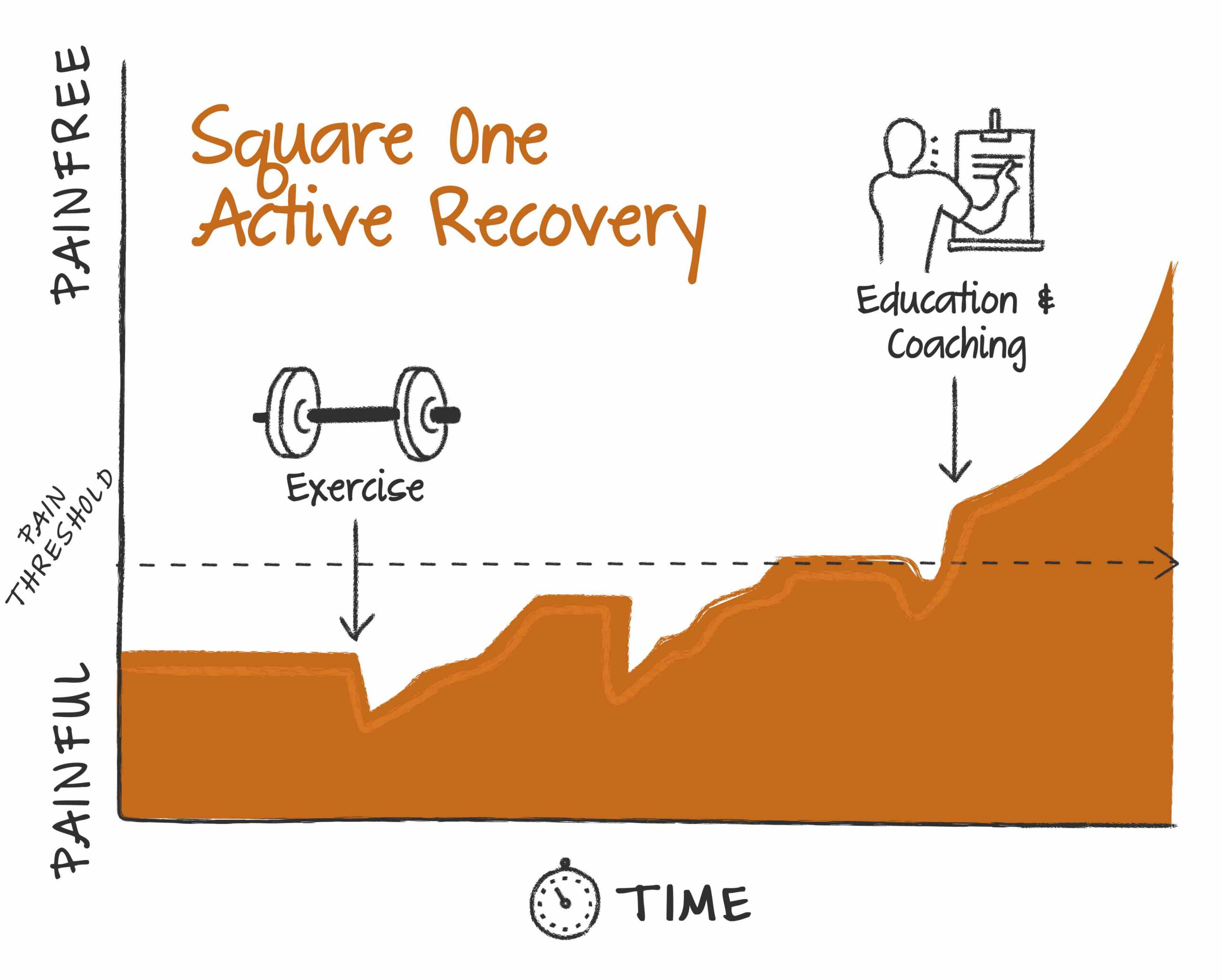
Graded Loading Framework
Active Resistance
- ✔ Progressive structured upper body resistance training forces the surrounding neck muscles to adapt and become robust.
- ✔ Controlled neck alignment loading promotes matrix remodelling nutrient flow and long term hydration within the disc.
- ✔ Moving within safe structural limits desensitises the central nervous system breaking the chronic radiating pain cycle.
- ✔ Directly identifies and corrects shoulder movement faults by building full body lifting capacity and kinetic chain coordination.
- ✔ Equips your neck to confidently execute overhead compound movements heavy lifts and computer tasks entirely pain free.
Clinical Framework
Our Approach: Evidence-Based Assessment and Recovery
What to Expect During Your Clinical Assessment
Comprehensive Movement Screening
We systematically map your cervical spine directional mobility, shoulder girdle mechanics, thoracic spine extension capacity, and upper extremity kinetic chains to track specific mechanical weak links.
Neuro-Functional Testing
When tracking peripheral or radiating arm symptoms, we conduct rigorous dermatomal, myotomal, and deep tendon reflex mapping to confirm exactly which cervical nerve roots are experiencing physical or inflammatory compression.
Postural & Habit Analysis
We break down your regular resting postures and repetitive physical work habits to address contributing modern variables like unconditioned forward head adaptations, deep stabiliser inhibition, and shoulder blade tracking errors.
Load Tolerance Testing
We safely calculate your current baseline tissue capacity for vertical compression, complex overhead tracking, and upper extremity closed-chain physical load-bearing tasks.
Your Progressively Loaded Rehabilitation Roadmap
Phase 1: Symptom Stabilisation & Decompression
- • Strategic modifications to remove highly provocative cervical spine loading positions
- • Targeted active protocols designed to down-regulate protective muscular guarding loops
- • Graded low-load mobility inputs to preserve safe neural tracking and normal joint clearance
Phase 2: Kinetic Chain Foundation Building
- • Scapulo-thoracic stabilisation training to rebuild precise muscular support structures
- • Segmental thoracic extension drills to offload compensatory neck rotation stresses
- • Deep flexor conditioning designed for long-term protection of vulnerable nerve channels
Phase 3: High-Capacity Strength Development
- • Progressive overhead press variations to construct highly resilient upper back support
- • Structured isometric core drills to establish robust trunk and upper limb integration
- • Controlled closed-chain upper extremity variants tailored safely to your lifestyle goals
Phase 4: Seamless Return to Peak Function
- • Gradual reintroduction to your regular active training routine using verified loading models
- • Personalised habit architectures and movement pacing to reliably eliminate injury recurrence
- • Ongoing objective metric tracking to support systemic physical optimisation pathways
The Core Pillar of Cervical Protection
True recovery requires systematically building matching structural support rather than forcing compromised segments to absorb excessive mechanical stress. We focus on tracking down the specific mobility blocks across your upper back and shoulders that cause your neck to work outside its ideal functional envelope.
By regressing complex joint patterns and progressively loading the large muscular groups naturally designed to manage external forces, you build genuine tissue resilience. This evidence-backed process enables you to return to full, unrestricted upper body physical performance safely.
Why Choose Us
Why Choose Square One Active Recovery
for Complex Cervical Disc and Nerve Pain
We implement a fundamentally different methodology for resolving cervical spinal issues. Rather than delivering passive, short-term symptom relief, we actively hunt down and resolve the underlying biomechanical tracking errors that triggered your nerve pathways to flare up.
Our Evidence-Based Chiropractic Philosophy
We are not a traditional passive chiropractic clinic
While conventional care pathways concentrate almost exclusively on repetitive passive therapies, our clinical approach seamlessly integrates state-of-the-art exercise science, tissue conditioning, and active functional rehabilitation. Lasting mechanical recovery demands expanding your physical baseline capacity, not simply adjusting your spine over and over.
What Sets Our Care Apart
1. Root Cause Investigations, Never Simple Symptom Chasing
When managing painful cervical disc bulges or radiating arm sensations, we run far deeper than superficial chiropractic adjustments. We perform precise physical audits to reveal exactly why your neck became structurally overloaded under physical pressure:
- • Is a baseline lack of shoulder girdle stability transferring direct forces onto your neck?
- • Is rigid thoracic stiffness forcing your lower cervical segments to over-rotate under load?
- • Are you advancing your upper body physical intensity without verifying foundational strength markers?
- • Does modern corporate computer work pre-load your spinal tissues with silent, chronic static stress?
We resolve these root structural parameters completely so you emerge from care vastly more robust than before your injury occurred.
2. Active Physical Recovery Over Passive Treatment Reliance
Standard passive clinical approaches often create artificial cycles of patient dependency. You might achieve minimal, brief relief straight after an appointment, but structural pain loops return within hours because your foundational tissue tolerance remains completely unchanged.
We bypass this cycle completely. Our clinical focus is centred around active physical rehabilitation, calibrated movement retraining, and strategic loading structures. This approach transfers ultimate ownership of the recovery path back into your hands, ensuring long-term self-reliance.
3. Individualised Programming Aligned to Your True Milestones
Every single spinal profile requires distinct movement variations. We build highly targeted rehabilitation tracks mapped cleanly to your specific functional targets:
- • For Unrestricted, Pain-Free Movement: We work diligently to calm local tissue reactivity, re-establish correct alignment, and map clear movement adaptations for daily physical life.
- • For Progressive Upper Body Athlete Conditioning: We design custom capacity programmes to build the precise deep neck muscle control, shoulder stability, and trunk bracing needed to protect your spinal column under extreme physical forces.
- • For Professional Trainers and Coaches: We dive deeply into advanced biomechanics, helping you gain complete clarity to support your spinal system and safely manage high-level athletic client protocols.
4. Deep Education as True Physical Empowerment
We do not keep clinical information behind closed doors. Throughout your diagnostic screening and active rehabilitation sessions, we explain exactly what is taking place within your spinal column, why certain loading angles invoke neural tracking pain, and how each specific exercise addresses the root flaw.
Gaining a thorough biomechanical comprehension of your injury allows you to manage daily habits with total clarity, spot early structural warning inputs long before they turn into major episodes, and confidently protect your long-term spinal health.
5. Seamless Integration with High-Performance Lifestyles
We acknowledge that our patients across Singapore operate in highly demanding environments. Busy corporate directors, entrepreneurs, and active families cannot allocate multiple hours a day to complex rehabilitation routines.
Our programming is focused, streamlined, and engineered to fit seamlessly into demanding weekly patterns:
- • Highly efficient, deliberate on-site assessment and training blocks lasting 30 to 45 minutes
- • Compact home prescription tracks that need minimal equipment and take just 10 to 15 minutes
- • Practical, immediate ergonomic and alignment tracking modifications tailored directly to your workstation setup
Our central facility at Hong Lim Complex in Chinatown offers highly convenient access for professionals working right across the Singapore Central Business District.
Our Commitment to Your Recovery
Choosing Square One Active Recovery means choosing a clinical framework dedicated to measurable, objective performance outcomes.
We measure our professional success exclusively by how quickly and effectively we can make you completely independent of our clinic.
Clinical Risk Stratification & Screening
⚠️ Schedule a Clinical Assessment Within 48 Hours If You Notice:
- • Cervical pain or severe stiffness that shows no objective improvement after 48 hours of modifications
- • Linear radiating pain paths tracking away from the neck into your scapula, shoulder, arm, or fingers
- • Defined patches of local numbness, skin desensitisation, or persistent prickling paresthesia down the limb
- • Measurable drop-offs in standard manual grip tension, pinch power, or deliberate arm tracking control
- • Loss of fine motor capability such as unexpected clumsiness when manipulating everyday handheld items
🚨 Neurological Red Flags – Seek Immediate Emergency Care (A&E)
- • Sudden, exceptionally intense head or neck pain that triggers rapidly following acute physical strain
- • Rapidly advancing neurological drops tracking across both upper extremities concurrently (such as dropping objects)
- • Sudden systemic balance loss, gait stumbling, uncoordinated walking patterns, or changes in bowel or bladder function
Early clinical screening stands as your primary defence line to avoid allowing acute tissue irritation to turn into chronic, entrenched nerve tracking errors. Your cervical spinal column requires fast, evidence-led attention when true warning signals appear.
FREQUENTLY ASKED QUESTIONS
I have loaded heavy upper body patterns for years without issue. Why change now?
If you possess exceptional deep stabiliser conditioning, proper movement mechanics, and clean diagnostic histories, your cervical tissues may comfortably absorb modern training stressors. However, mechanical strain operates cumulatively over extended periods. Periodic tracking of your true range of motion and incorporating diversified physical progressions ensures your active spine matches long-term training loads seamlessly.
Is structural loading completely eliminated with proper athletic technique?
Excellent alignment reduces local mechanical peaks but does not zero out baseline axial force. Under load, your cervical spine absorbs continuous compressive vectors. The objective is not searching for zero mechanical stress, but actively checking that your baseline surrounding muscle endurance handles those physical stresses without overloading passive joint structures.
What is the expected timeline for nerve root or disc tissue recovery?
Timelines rely on your baseline muscle support and the degree of localised nerve pathway compromise. Mild joint or muscular inflammation can stabilise within 2 to 4 weeks under precise management plans. Deeper structural disc updates or true nerve tracking radiculopathy profiles typically require a committed, graded building programme over 4 to 6 months to secure long-term capacity.
Can I maintain my active gym or sports routine during recovery?
Absolutely. Our team builds customised movement adjustments to keep you active without exposing vulnerable cervical segments to premature mechanical failure. Most upper body tracking and core patterns remain highly beneficial. We simply identify, regress, or temporarily substitute the specific vertical patterns that stir up local nerve tracking loops.
Will my clinical care path require diagnostic imaging scans like an X-ray or MRI?
The vast majority of modern cervical disc bulges and peripheral nerve irritations can be managed completely and safely via careful movement profiling. We reserve advanced scanning recommendations for cases tracking progressive neurological deficits, profiles demonstrating zero improvement after 4 to 6 weeks of active physical care, or when specific structural exclusions are required.
Are there unique physical benefits to specific deep neck postures that alternative options cannot deliver?
No. Core physiological parameters including thoracic extension mobility, robust scapular control, and shoulder tracking capacity can all be effectively constructed using alternative loading vectors that bypass direct vertical cervical compression entirely. Diversified closed-chain progressions build identical athletic capacities while minimising local spinal risks.
Take the Next Step Toward Resilience
You do not have to accept chronic neck stiffness, persistent shoulder bracing, or shooting arm discomfort as a permanent baseline. At Square One Active Recovery, we empower you to move beyond passive dependency, reconstructing genuine spinal capacity via precise, movement-mapped loading strategies.
If you are experiencing ongoing cervical irritation, loss of grip power, or nerve tracking issues after physical training, let us reveal the root mechanical breakdown and construct an individualised recovery track designed to shield your active joint health.
Ready to schedule your clinical assessment?
Square One Active Recovery
538 Upper Cross Street, Chinatown
Hong Lim Complex, Singapore 050538