
Evidence Based Chiropractor
Shoulder Pain Chiropractor in Singapore
Shoulder pain in Singapore is frequently driven by a “load vs. capacity” mismatch. Whether it is overhead sports, gym-based lifting, or the static strain of long office hours, your shoulder’s stability relies on complex muscular coordination.
At Square One, we look beyond the temporary rub or stretch. By utilising dynamometer strength testing and dynamic loading, we address the root of rotator cuff dysfunction to build the glenohumeral resilience you need to return to your sport or daily life without limitation.
Rated 5/5 stars 🌟 by 150+ Google reviews.
Book your assessment today!
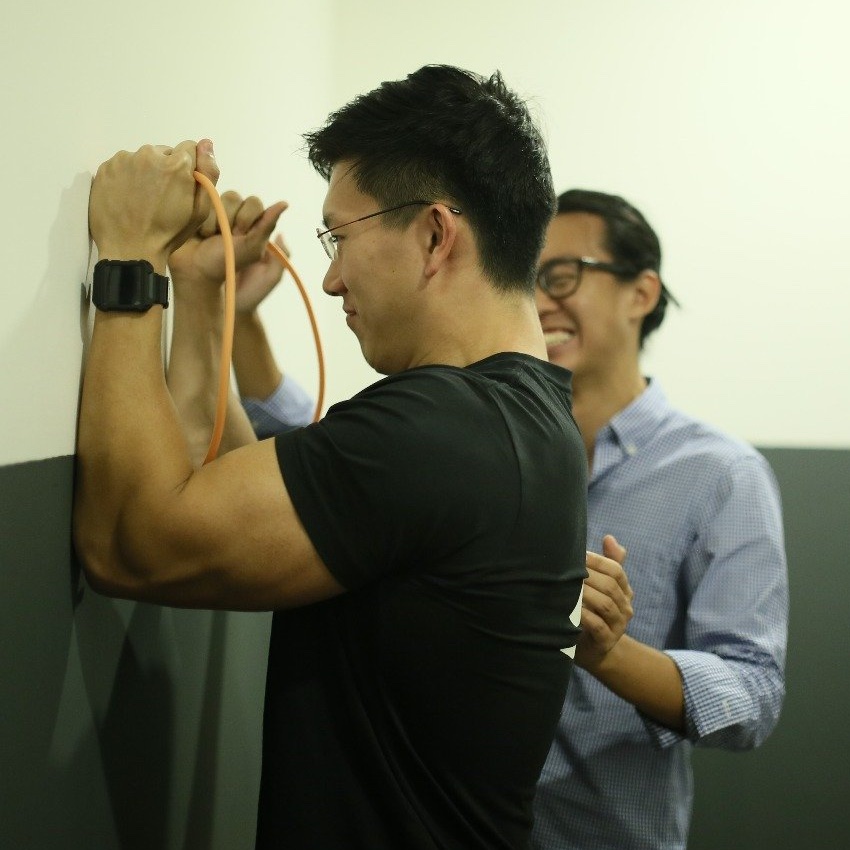
Common Shoulder Presentations
Overhead Weakness
Pain or a “catching” sensation when reaching for a high shelf or during overhead presses.
Resting Ache
Deep, persistent discomfort during inactivity or when lying on the affected side at night.
Frozen Shoulder
Significant loss of range of motion, making basic tasks like dressing difficult.
Clicking & Popping
Audible noise or “grittiness” during movement, often associated with labral issues.
Arc Pain
Sharp pain that occurs specifically halfway through lifting your arm to the side.
Scapular Winging
Lack of control in the shoulder blade, leading to instability and “heavy” arm feelings.
CLINICAL PERSPECTIVE
WHAT IS SHOULDER PAIN?
- •
A Load Management Failure: It is fundamentally a mismatch where the physical demands of your movement reaching, lifting, or overhead loading exceed the current tolerance of your shoulder girdle. - •
The Capacity Gap: The difference between the mechanical stress placed on your rotator cuff during daily life and the actual functional strength of your “dynamic stabilisers.” - •
Beyond “Wear and Tear”: Chronic shoulder discomfort is often less about structural findings on an MRI and more about a lack of tissue resilience and poor scapular-humeral rhythm.
THE WHY
Key Factors for Shoulder Pain in Singapore’s Population
Rotator Cuff Weakness
Insufficient cuff strength fails to stabilise the joint causing mechanical stress during overhead movements.
Training Spikes
Sudden increases in intensity, especially in HYROX, or gym loads, often outpace body adaptation.
Old Injuries
Prior dislocations or falls alter your scapular rhythm and cause compensations.
Biological Changes
Age-related changes in tendon quality require progressive loading to maintain high-level shoulder function.
Scapular Control
Poor coordination between the shoulder blade and arm bone increases mechanical friction.
Lifestyle Load
Poor sleep and high occupational stress can lower your pain threshold and increase inflammation.
← Swipe to view all factors →
DIFFERENTIAL DIAGNOSIS
SHOULDER CONDITIONS WE TREAT
At Square One Active Recovery, we don’t use a cookie-cutter approach. Shoulder pain is often a failure of local capacity to meet movement demands. We identify the specific mechanical stressors in your rotator cuff and scapular rhythm (Scapular Dyskinesis) to ensure long-term robustness.
A precise diagnosis is vital to move beyond temporary relief. Unlike neck issues that refer pain, true shoulder conditions involve mechanical limitations in reaching, lifting, or overhead loading. Our SQ1 protocol transitions you from mere pain management to building the physical capacity required to excel in your sport or daily life.
Tendon Remodelling
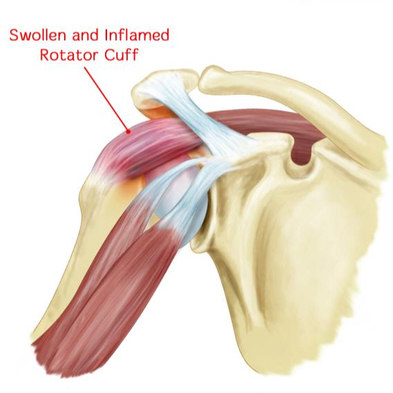
Rotator Cuff Tendinopathy
Goal: Restore joint stability
How: Utilising heavy slow resistance to facilitate tendon adaptation and reduce “pinching” sensations.
Capsular Mobility
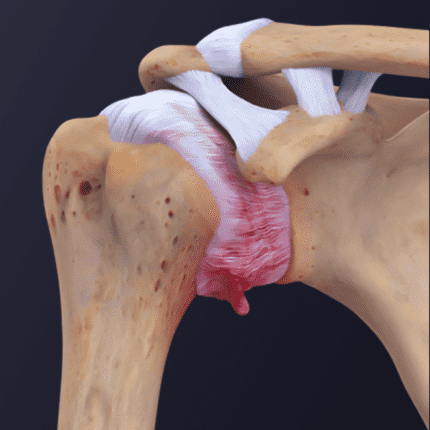
Frozen Shoulder
Goal: Restore range of motion
How: Graded exposure and therapeutic exercise to expand the joint’s movement “window” safely.
Glenohumeral Stability
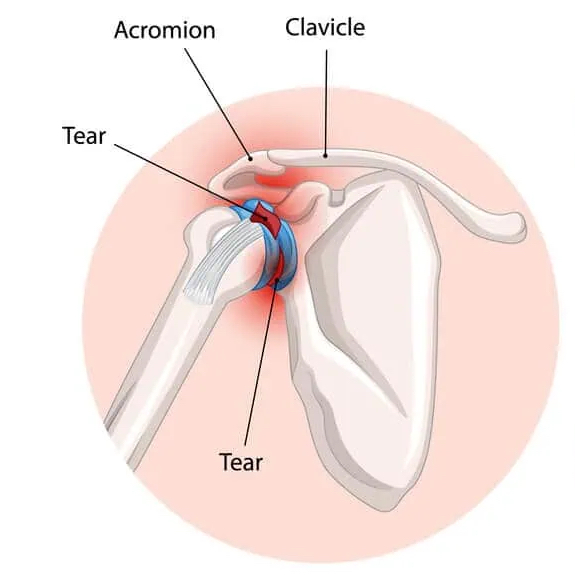
Labral Tears & Instability
Goal: Improve joint centration
How: Reactive neuromuscular training to keep the humerus stabilised during high-speed tasks.
Bursar Desensitisation
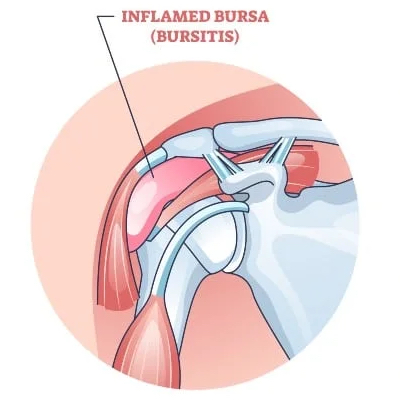
Shoulder Bursitis
Goal: Eliminate sharp arc pain
How: Scapular recalibration to create subacromial space and offload sensitised tissues.
Structural Resilience
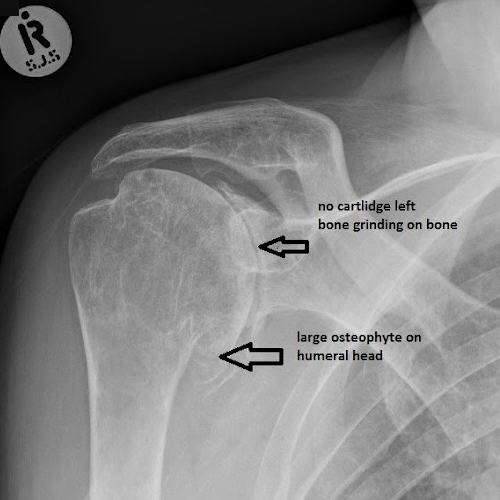
Shoulder Osteoarthritis
Goal: Preserve joint function
How: Progressive loading to improve bone density and maintain soft tissue support.
Force Transmission
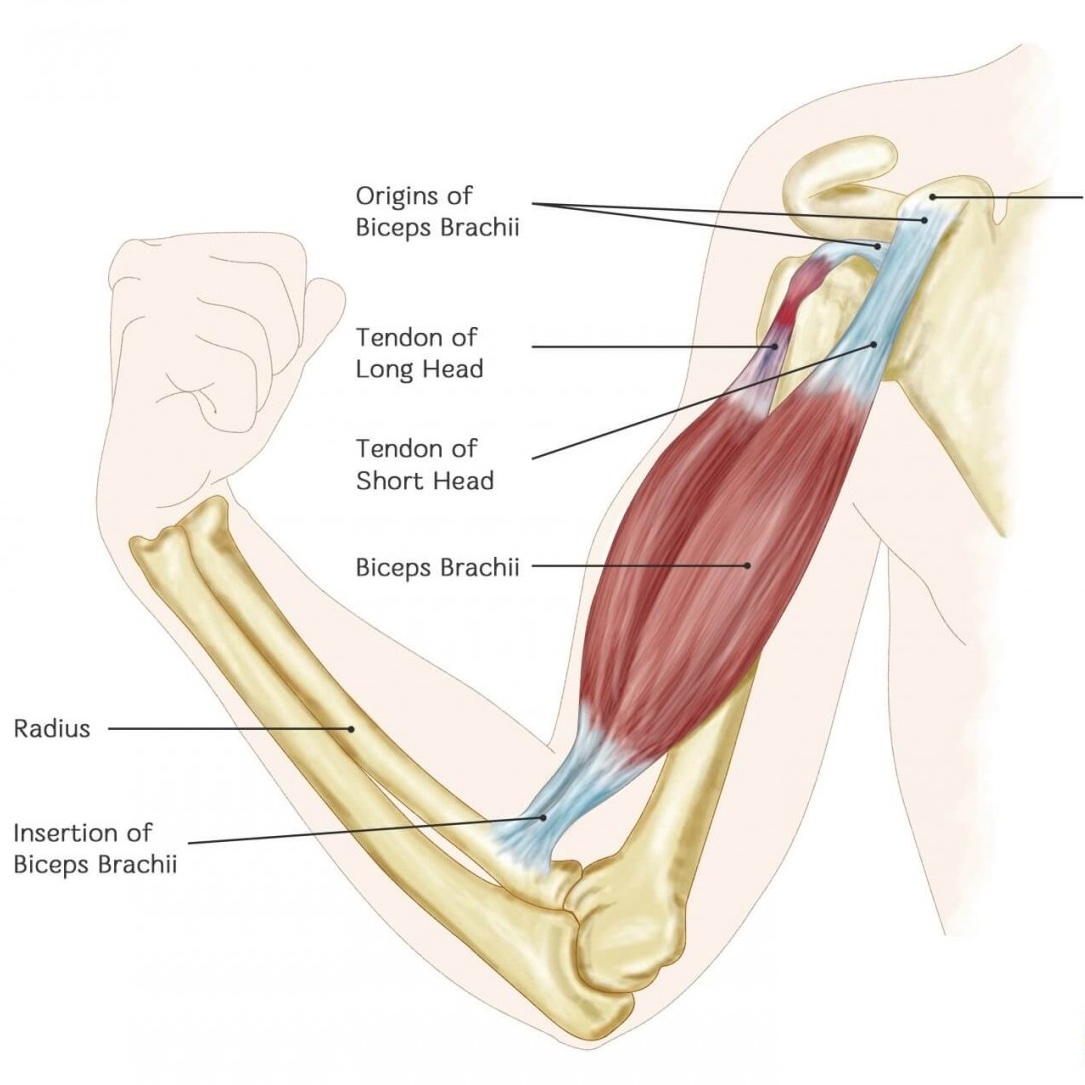
Bicipital Tendinopathy
Goal: Resolve shoulder pain
How: Targeted loading of the biceps tendon to improve its capacity to handle pulling and reaching forces.
Shoulder Treatments: Chiropractic Rehab & Strength Coaching
EVIDENCE-BASED PAIN SOLUTION
Shoulder
Rehabilitation
Addressing rotator cuff imbalances and scapular timing through functional loading. We utilise targeted exercise to build the glenohumeral resilience you need to reach, lift, and throw without apprehension.
Clinical
Pilates
Refining motor control for the shoulder girdle. This approach focuses on technical precision and scapular stability to ensure the joint stays centred during complex or overhead movements.
Strength and
Conditioning
Once pain-free, we build overhead capacity. High-level strength training is the ultimate protection for the shoulder, creating the structural robustness required for your sport or daily life.
Your Pathway
Typical Recovery Timeline
While every shoulder is unique, most active recovery journeys follow this staged pathway to permanent resilience.
Weeks 1 – 4
Desensitisation
Focus on reducing acute joint pain and reducing inflammatory. We gently restore movement “windows” through controlled active mobilisation.
Weeks 5 – 12
Load Integration
Progressive strengthening of the rotator cuff and scapular stabilisers. We utilise targeted loading to remodel tendon tissue and improve joint centration.
Weeks 12+
Robustness
Advanced strengthening and conditioning once you are pain-free. High capacity training shifts from resolving symptoms to preventing relapses.
Note: Timelines represent typical results achieved through consistent adherence to the SQ1 active protocol.
Success Metrics
The Objective Recovery Matrix
We move beyond “how do you feel?” by tracking high-fidelity data points that correlate directly with long-term shoulder resilience.
Tensile Load
Measuring tendon resilience under specific pulling and lifting forces.
Compressive Load
Assessing joint tolerance during pushing and overhead tasks.
Movement Pattern
Optimising technical execution of glenohumeral and scapular rhythm.
Dynamic Stability
Ensuring the joint remains centred during high-velocity movements.
Load Capacity
Calculating total mechanical volume the shoulder safely handles daily.
Why This Data Drives Results
Rotator Cuff Remodelling
Recovery is a mechanical adaptation. We track load progression (e.g., 0kg to 16kg) because it confirms the tendon has physically adapted to handle high-load stressors.
Centration & Stability
We monitor pull-up and hang capacity to ensure the dynamic stabilisers are effectively “holding” the joint in place, particularly in cases of labral or ligamentous laxity.
The Mobility-Strength Link
Flexibility without strength is vulnerability. We measure the “active window” (e.g., 45° to 165°) to ensure your brain allows movement because the muscles are strong enough to control it.
Clinical Note: These metrics are the foundation of the SQ1 Protocol. By prioritising objective data over subjective relief, we bridge the gap between “not hurting” and “truly robust.”
Clinical Reality
Why Active Recovery Beats Passive Shoulder Adjustments
Popping or clicking a joint provides a “window” of relief but does nothing to strengthen the rotator cuff tendons.
Passive therapy ignores muscle deconditioning, leaving the glenohumeral joint vulnerable to mechanical impingement.
Resting or “protecting” the shoulder leads to muscle loss and a further reduction in your ability to lift or reach.
The First Visit & Beyond
Consultation
Detailed history taking allows us to understand your unique condition and set meaningful benchmarks to map your path to recovery.
Assessment
Physical evaluation of your rotator cuff strength, scapular rhythm, and thoracic mobility. We test what you can do to find your current entry point for loading.
SQ1 Protocol
Desensitising the joint capsule while progressively building the rotator cuff’s ability to stabilise the humerus under increasing stress.
Self-Management
Learn to manage load independently. We provide you with the tools to prevent future “impingement” episodes and maintain your overhead resilience.

The Founder
Jesse Cai
Jesse Cai is a published chiropractor with a unique mission: to reduce your dependency on unnecessary treatments. Since founding Square One Active Recovery in 2018, Jesse has applied high-performance standards to help both elite athletes and everyday people overcome persistent shoulder pain. His perspective is shaped by years of experience with professional athletes in Australia, including the Australian Football League (AFL) and national sporting clubs.
As a former board member of Sports Chiropractic Australia and a member of Sports Medicine Australia, Jesse brings a sports chiropractic rigor to his Singapore practice—not just for athletes, but for anyone who wants to get back to their daily life without physical limitation. Utilising a Solution-Focused Coaching approach, he partners with you to build the physical robustness needed to handle your sport, your work, and your lifestyle with total confidence.
Chronic Pain
Sports Chiropractic

Managing Expectations
The Clinical Reality of Shoulder Recovery
Shoulder recovery is about remodelling tissue. As we strengthen your rotator cuff, you may experience temporary discomfort. This isn’t “damage”! It’s the joint adapting to new levels of physical capacity.
The Myth
“If it hurts to reach up, I should avoid it until the pain completely stops.”
The Reality
“I need to reach up with controlled loading to teach my shoulder it is safe to move.”
We don’t just treat the pain. We build the athlete inside you.
Understanding Your Shoulder Pathway
Restoring function by building tissue tolerance.
Load Management
Progressively loading tendons to facilitate remodelling and structural robustness.
Cuff Strengthening
Targeted work to ensure the rotator cuff can keep the shoulder centred under load.
Stability Drills
Proprioceptive training to prevent subluxations and improve joint centration.
Mobility Training
Opening thoracic and glenohumeral range to reduce mechanical impingement.
Reserved for acute structural failure or when conservative care fails.
Steroid Injections
Anti-inflammatories can provide relief but may weaken tendon tissue over time.
Subacromial Decompression
Surgical “shaving” of bone often no better than exercise for long-term impingement relief.
Rotator Cuff Repair
Surgically reattaching tendons requires months of post-op rehab to restore function.
Shoulder Replacement
Total joint replacement for severe arthritis or irreparable cuff tears if conservative treatment fails.
FREE DOWNLOAD: THE TRUTH ABOUT CHRONIC SHOULDER PAIN
Discover why passive treatments fail and how to build rotator cuff capacity for permanent stability. Please ensure your details are correct so we can send the guide to you within 24 hours.
RECLAIM YOUR SHOULDER
The Square One Difference
Perfect for those who…
- ✔ Are tired of “managing” pain with temporary massage or adjustments
- ✔ Have been told they have a “tear” or “need surgery” but want a second opinion
- ✔ Want to lift, reach overhead & perform daily tasks without apprehension
- ✔ Value evidence-based care over traditional “passive” treatments
What to expect…
- ★ Autonomy: Tools to manage your own shoulder recovery.
- ★ Clarity: A clear roadmap for rotator cuff and scapular health.
- ★ Strength: A shoulder joint that is objectively more resilient.
- ★ Longevity: Results that last years, not just until your next session.
Our mission is to reduce your dependency on unnecessary treatments and restore your freedom of movement.
SHOULDER PAIN FAQ
How is this different from traditional shoulder physiotherapy or chiropractic?
Most traditional clinics focus on passive modalities like ultrasound, shockwave, or manual therapy to “release” the shoulder. While these might offer short-term relief, they don’t address the underlying weakness. The SQ1 Protocol focuses on active rotator cuff loading and scapular control to build a shoulder that stays pain-free under load.
I've been told I have 'Shoulder Impingement'. Do I need surgery?
Modern research shows that the “impingement” model is largely outdated. What was once thought of as bone rubbing on tendon is usually a sign of a rotator cuff that isn’t strong enough to centre the joint. Surgery to “shave the bone” is rarely more effective than a high-quality, progressive strengthening programme.
Can you help with Frozen Shoulder (Adhesive Capsulitis)?
Yes. While Frozen Shoulder has a natural clinical cycle, we focus on maintaining your functional capacity and gently expanding your range of motion through graded exposure. This helps prevent secondary issues in the neck and upper back while you recover.
Will I be able to return to heavy lifting or sports?
Absolutely. That is the primary goal of our Strength and Conditioning stage. We don’t just want you “pain-free” while resting; we want you robust enough to handle overhead presses, swimming, or combat sports without the fear of your shoulder “giving way.”
Do I need an MRI for my rotator cuff tear before seeing you?
In most cases, no. Rotator cuff tears are very common as we age—even in people with no pain. We treat the person, not the scan. If your shoulder is functional and we can progressively load it, we can usually achieve great results without surgery. We only refer for imaging if we suspect a massive traumatic tear that requires immediate surgical consultation.
READY TO FIX YOUR SHOULDER FOR GOOD?
Stop managing the symptoms and start building a high-capacity shoulder.
From acute rotator cuff pain to chronic instability, our evidence-based protocol provides the roadmap to permanent recovery and athletic longevity.
No referral needed • Evidence-based active recovery • Singapore