
Persistent neck pain is frustrating, particularly when constant stretching or targeted rubs fail to yield lasting relief. The reason behind this failure is simple: neck pain is frequently a symptom rather than the root cause of the issue. Your neck does not function in isolation. It relies on the upper back and shoulder girdle to provide a stable, functional foundation. When that foundation falters, your neck pays the price. Here is an honest look at the structural scaffolding, underlying biomechanics, and how to build lasting resilience.
1. The Mid-Back as Your Upper Body Anchor
The thoracic spine, or mid-back, acts as the primary anchor for your upper torso. It is designed to provide structural stability while allowing necessary rotation and extension. Think of your mid-back as the core of your upper body.
When thoracic stiffness sets in from prolonged sitting or lack of movement, your neck is forced to compensate. If your mid-back cannot rotate when you turn to look behind you, your neck over-rotates to make up for the missing movement. This continuous demand for extra range of motion overworks delicate cervical joints and tissues, leading to irritation and stiffness.
2. Scapular Dyskinesis and Neck Strain
Your shoulder blades sit on the back of your ribcage and move across six cardinal directions:
- Elevation: Shrugging up towards the ears
- Depression: Pulling down towards the waist
- Protraction: Sliding forward around the ribcage
- Retraction: Pulling back together towards the spine
- Upward Rotation: Tilting up during overhead reaching movements
- Downward Rotation: Tilting back down as arms return to the sides
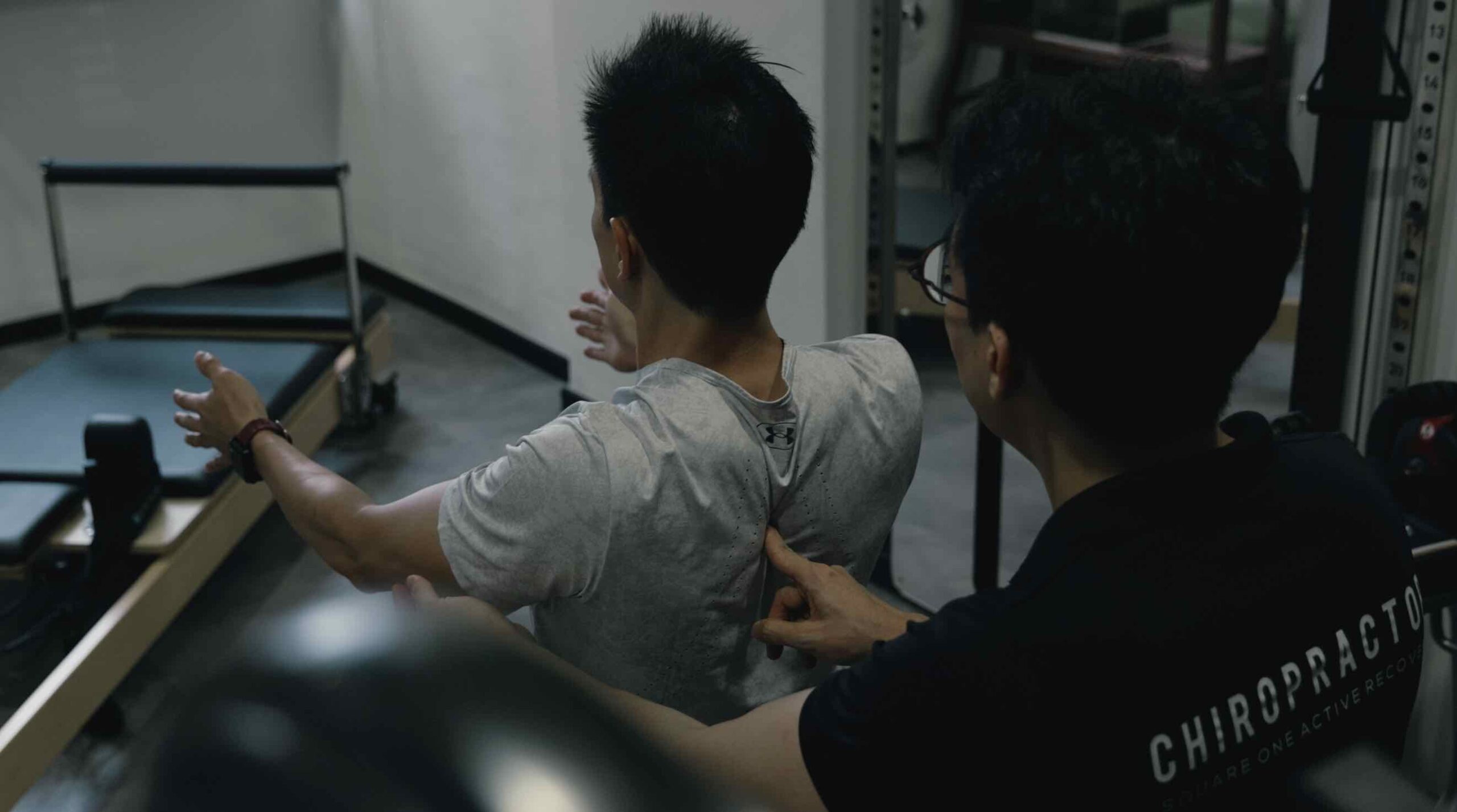
When movement across these six directions becomes uncoordinated, a pattern known as scapular dyskinesis occurs. Major muscles that attach directly from your cervical spine to your shoulder blades, such as the upper trapezius and levator scapulae, are forced into unnatural tension. Instead of gliding smoothly, the shoulder blades drag on these attachment points, creating chronic tight spots in the neck.
3. How Faulty Mechanics Ruin Gym Workouts
Poor shoulder blade movement does not remain passive; it directly impacts your training in the gym. During upper body exercises such as overhead presses, lat pull-downs, or rows, scapular dyskinesis breaks down your movement efficiency. If your shoulder blades fail to rotate or retract properly under load, your body recruits smaller neck muscles to stabilise the weight. Training with poor movement patterns compounds the issue over time, further strengthening faulty movement patterns and aggravating your neck pain.
4. Mid-Back Muscles Are Built for Heavy Work
From an anatomical standpoint, your neck muscles are small, precise, and designed primarily for subtle head adjustments and spatial awareness. They are not built to carry heavy postural loads for hours at a time. In contrast, the muscles of your mid-back are dense and robust. They are structured to absorb heavy forces and maintain torso integrity. When mid-back muscles are inactive or weak, the smaller neck muscles are forced to take on jobs far beyond their designed capacity, resulting in fatigue, spasm, and persistent aching.
At a Glance: Chiropractic Adjustments vs Exercise Rehabilitation
| Feature | Chiropractic Adjustments | Exercise Rehabilitation |
|---|---|---|
| Primary Goal | Rapid short-term pain relief & restored joint movement | Long-term resilience & structural strength |
| Mechanism | Resets joint mechanics and reduces muscle guarding | Retrains movement patterns & builds load capacity |
| Best Used For | Unlocking acute stiffness to create a window of mobility | Addressing scapular dyskinesis & preventing recurrence |
| Role in Care | Fast-acting circuit breaker | The gold standard for permanent recovery |
6. Where Chiropractic Adjustments Fit In
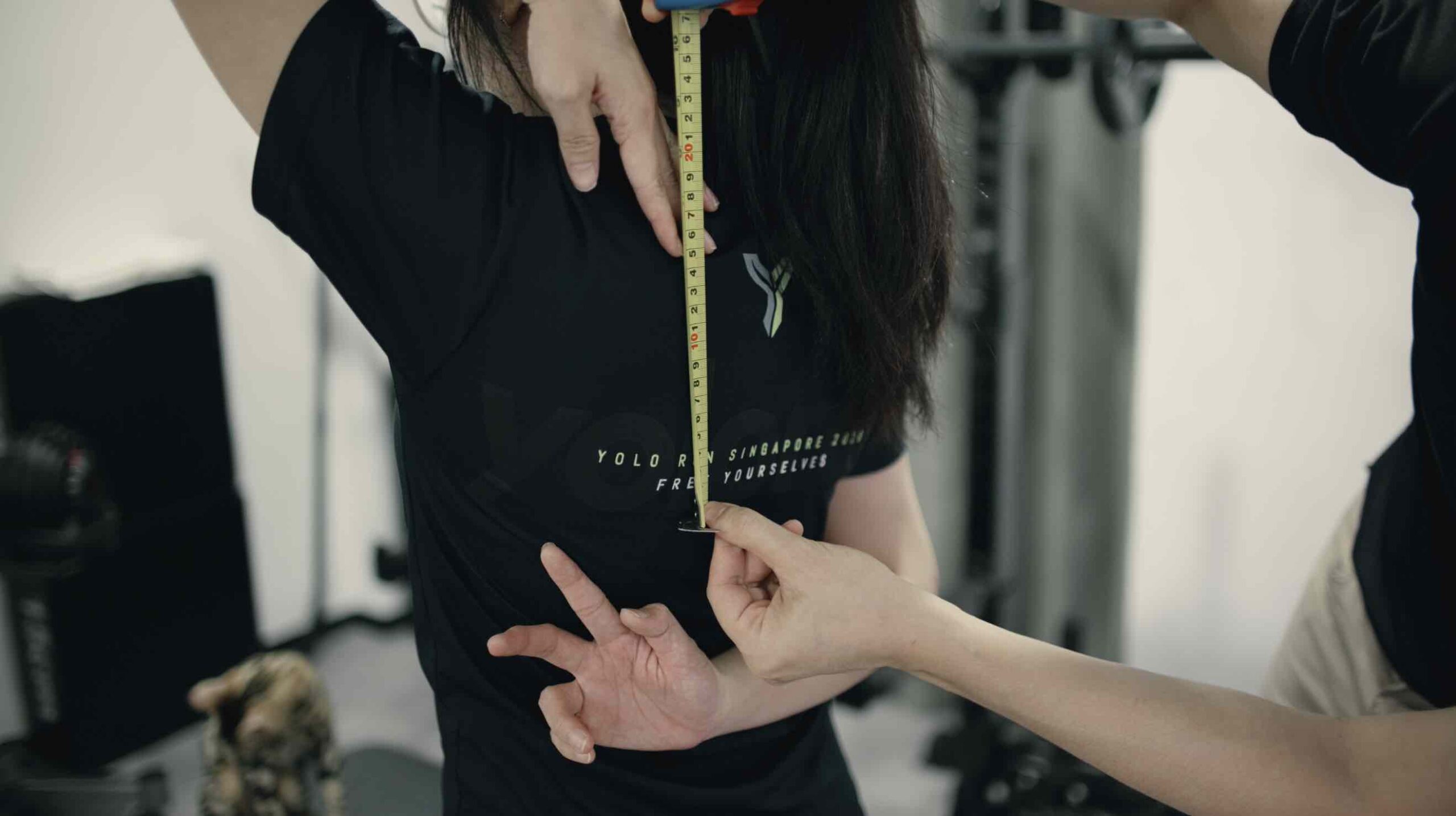
When dealing with severe neck and mid-back stiffness, chiropractic adjustments can offer a valuable head start. Targeted joint manipulation in the thoracic and cervical spine acts as a circuit breaker. It reduces muscle guarding, improves immediate joint mobility, and offers fast symptomatic relief when you feel locked up. However, an adjustment is primarily a tool to unlock movement, not a permanent cure. Passive care alone cannot rebuild mid-back strength or rewrite faulty movement patterns.
Initial State
Sleepy / Stiff Muscles
Tension, fatigue, and poor joint mobility
Positive Outcome
Deep Endurance
Robust deep flexors supporting head weight
7. Why True Neck Rehab Always Requires an Upper-Body Strategy
To achieve long-term freedom from neck pain, chiropractic rehabilitation remains the gold standard. While an adjustment opens up a window of improved movement, structured exercise rehab is what keeps that window open permanently. Progressive exercise strengthens the robust mid-back muscles, restores proper scapular movement across all six directions, and builds the physical capacity required to handle daily loads without pain returning.
For those with the flexibility and resources to invest fully in their recovery, combining both modalities provides the best of both worlds. Utilising chiropractic adjustments to clear acute joint stiffness alongside a tailored exercise rehab programme allows you to enjoy immediate relief while actively building long-term resilience.
Red Flag Symptoms
Always be mindful of red flags. Seek immediate emergency medical attention if your neck pain is accompanied by loss of bowel or bladder control, numbness in the groin, progressive limb weakness, unexplained weight loss, or high fever.
If you are currently navigating neck pain or considering starting a rehab routine, book an assessment with Square One Active Recovery today or reach out to us to get started.
Key Takeaways
When navigating neck pain, keep these fundamental principles in mind:
-
1
Look beyond the neck. Effective rehabilitation addresses surrounding structural scaffolding, including thoracic spine mobility and all six movements of the shoulder blades.
-
2
Rely on robust mid-back muscles. Dense thoracic muscles are built for heavy structural loads, whereas smaller neck muscles fatigue easily when forced to compensate.
-
3
Rehab is the gold standard for long-term recovery. Chiropractic adjustments act as a useful circuit breaker for acute stiffness, but active exercise rehabilitation builds permanent structural resilience.

