
Finding the right Pilates studio can feel overwhelming with so many styles, modalities, and studio names out there. While it is easy to think Pilates is Pilates, the actual experience, goals, and methodologies can vary wildly depending on which studio door you walk through.
If you are currently dealing with low back pain or simply looking to start exercising safely, here is a breakdown of the four main types of Pilates studios you need to know, where Square One Active Recovery fits, and how to choose what is right for you.
| Studio Type | Primary Goal | Best For | Vibe and Atmosphere |
|---|---|---|---|
| Square One Active Recovery | Targeted rehab plus long term physical well being and active ageing | Spinal pain, sedentary adults getting started, ageing better, and injury prevention | Evidence informed, supportive, expert guided, individual focused |
| Clinical | Rehab, pain relief, and targeted injury care | Recovery, specific musculoskeletal pathologies, acute rehabilitation | Quiet, highly focused, 1 on 1 or small group, clinical focus |
| Contemporary | Biomechanical balance and functional strength | General fitness, posture improvement, safe progression | Structured, technique driven, modern |
| Pilates Inspired | Calorie burn, strength, and athletic endurance | Fitness enthusiasts seeking high intensity and high sweat | Upbeat, loud music, energetic group fitness |
| Classical | Pure mastery of original Joseph Pilates methods | Purists, traditional technique and movement discipline | Methodical, traditional, systematic |
The 4 Main Types of Pilates Studios
1. Clinical Pilates
The Core Focus: Rehabilitation, targeted injury management, and clinical movement.
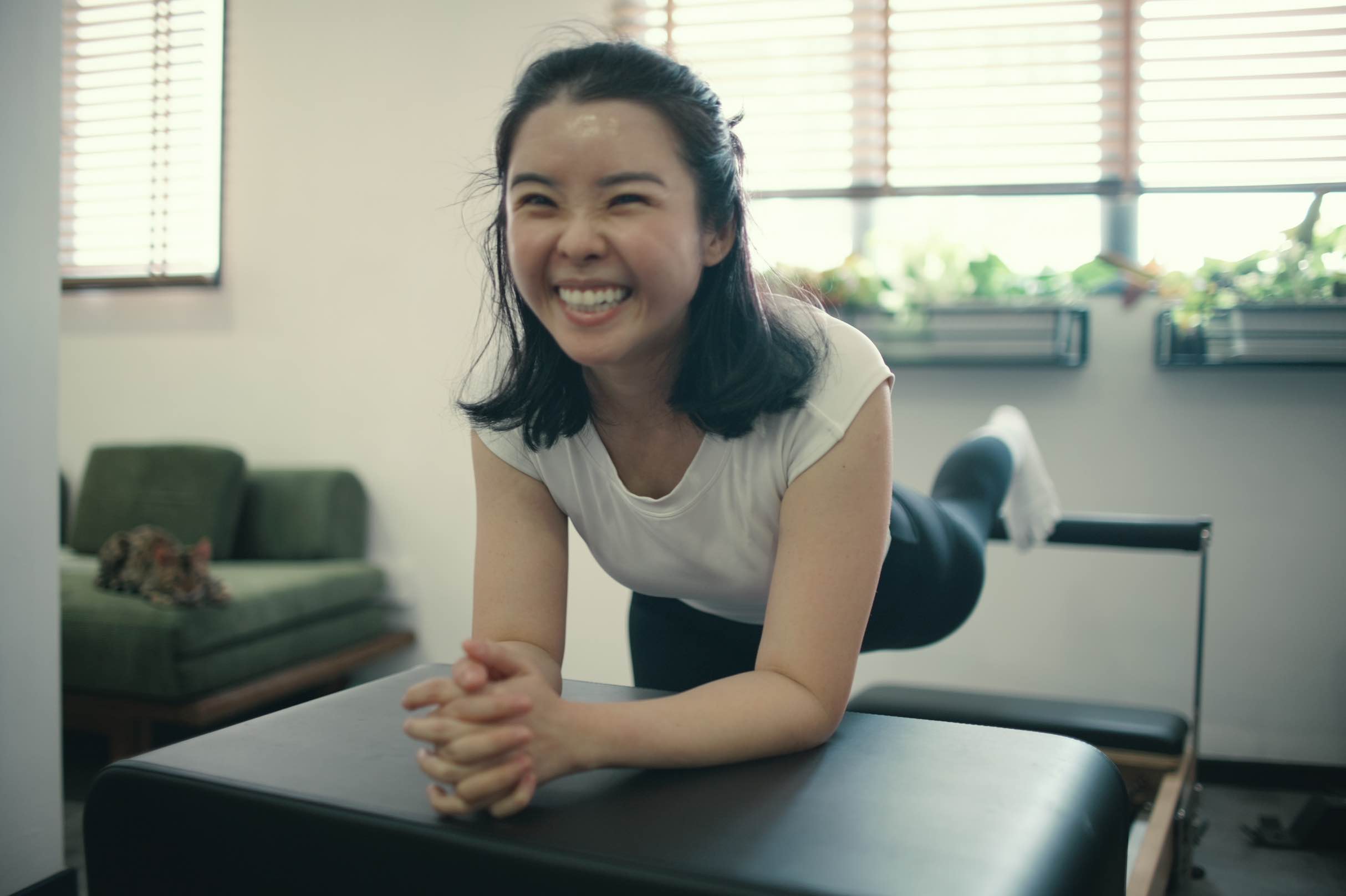
What to Expect: Delivered or directed by allied health professionals such as chiropractors or physiotherapists. Exercises are highly customised to address specific pain points, post surgical recovery, or spinal pathologies rather than general fitness.
Targeted At:
- Individuals recovering from an acute or chronic injury.
- Patients managing specific musculoskeletal conditions such as lower back pain, disc herniations, or joint hypermobility.
- Anyone needing medical grade supervision before transitioning to general exercise.
Clinical Pilates has emerged as an effective therapeutic intervention for lower back pain. A comprehensive Cochrane Systematic Review demonstrated that Pilates is helpful at reducing pain intensity and improving functional disability compared to minimal interventions or usual care. By focusing on individualised motor control and deep trunk stabilisation, clinical Pilates provides a structured, evidence informed pathway to restore spinal resilience.
2. Contemporary Pilates
The Core Focus: Evolving original Pilates principles using modern biomechanics, exercise science, and physical therapy research.

What to Expect: Studios use traditional apparatus like the reformer, Cadillac, and chair, but adapt exercises based on updated movement science. You will see modern variations in sequencing, a neutral spine focus, and modified progressions.
Key Methodologies and Frameworks:
- BASI Pilates (Body Arts and Science International): Known for its structured Block System, precision, and integration of athletic flow.
- STOTT PILATES: Focuses heavily on exercise science, dynamic stability, and restoring natural spinal curves.
- APPI (Australian Physiotherapy and Pilates Institute): Formulated specifically by physiotherapists, offering an evidence based framework designed for safe, clinical, and reconditioning environments.
3. Pilates Inspired or Modern Hybrid
The Core Focus: High intensity fitness, strength, cardio, and sweat.

What to Expect: These studios take the core concepts or apparatus of Pilates, often dynamic reformers or resistance beds, and fuse them with strength training, HIIT, or athletic conditioning. Expect fast tempos, energetic music, higher heart rates, and a strong group fitness vibe.
Examples of Studios:
- STRONG Pilates: A hybrid model combining reformer Pilates with rowing or bike cardio intervals.
- FS8: Fuses functional training, Pilates, and yoga for a well-rounded workout.
- Vaura Pilates: Athletic, high energy reformer workouts set to immersive music and lighting.
4. Classical Pilates
The Core Focus: Teaching and maintaining the integrity of Joseph Pilates’ original work in its purest form, originally known as Contrology.

What to Expect: Classical studios stick strictly to the original order, design, and dimensions of apparatus created by Joseph Pilates. The work is systematic, disciplined, and focuses on dynamic rhythm and precision.
Examples and Lineage:
- Altum Pilates: Dedicated to preserving classical alignment and systematic progression.
- Pilates Flow: Instructors are certified in the True Pilates method originating from Romana Kryzanowska, a direct protege of Joseph Pilates with a direct lineage to his foundational teaching.
Where Does Square One Active Recovery Sit?
So, where does Square One Active Recovery sit in all of this?
As a chiropractor, I tend to attract clients dealing with lower back pain and neck pain. After all, chiropractors are widely considered spinal experts. But our whole person approach means we also attract a much wider group of people:
- Sedentary adults who are ready to do something about their inactivity and want professional guidance to learn the right movements and techniques to get started safely.
- Older adults who are looking to age better, build physical resilience, and maintain their independence.
These clients often feel hesitant about jumping into a generic fitness class, but they do not necessarily need a rigid medical setting either. They simply want expert, hands on guidance to build confidence in how their bodies move.
Bridging Clinical and Contemporary
Square One’s Pilates practice sits directly between Clinical and Contemporary Pilates:
- For Pain and Recovery: We use Pilates as an active modality to treat, manage, and rehabilitate muscle and joint conditions.
- For Long Term Well Being: We work with people who are currently pain free but want to improve their physical well being, movement capacity, and drastically reduce their chances of developing chronic pain down the road.
Whether you are working through an active spinal issue or simply taking your first steps toward active ageing, our goal is to help you build a movement foundation that lasts.
How to Choose: Beyond the Labels
While understanding these categories gives you a great framework, choosing a studio is not just a cognitive exercise. You can read about methodologies all day, but Pilates is ultimately a movement practice, a physical discipline you experience, not just understand.
Here is how to make your decision:
- Identify Your Immediate Starting Point: If you are managing pain, dealing with an injury, or restarting exercise after a long period of being sedentary, a practice like Square One or a Clinical studio offers the tailored guidance you need. If you want high intensity athletic sweat, go Pilates Inspired. If you want pure historical technique, look into Classical.
- Experience It Firsthand: The most important step is simply trying a class or session. It is not always about logically deciding which is better on paper, it is about experiencing the environment, the instructor’s cueing, and seeing if it actually feels like a good fit for your body.
- Look for Complete Immersion: Because Pilates is a practice, the best results come when you find an environment you can completely immerse yourself into. Consistency follows connection.
At the end of the day, the right studio is the one that meets your body where it is today and makes you want to keep showing up tomorrow. Book a clinical assessment with Square One Active Recovery today and let us help you find your movement foundation.
Key Takeaways
When choosing between different types of Pilates studios, keep these three key points in mind:
-
1
Match the studio style to your goals. Choose clinical or hybrid rehab for pain management and active ageing, contemporary for movement biomechanics, or fitness reformer for high intensity cardio conditioning.
-
2
Prioritise trial over intellectual analysis. Experiencing the movement, studio environment, and instructor cueing firsthand is far more important than reading studio descriptors on paper.
-
3
Seek full immersion for long term results. Pilates is an ongoing physical practice, so finding a supportive environment that encourages consistent attendance produces the best long term physical outcomes.

