
Evidence Based Chiropractor
Evidence Based Recovery for Complex Pain Syndromes
Managing conditions like Fibromyalgia, ME/CFS, or CRPS requires more than just standard exercise because it requires a calibrated strategy for your nervous system.
At Square One, we move beyond temporary relief and passive treatments. By utilising structured pacing, neurological desensitisation, and movement education, we help you expand your functional capacity. Our goal is to reduce your dependency on unnecessary treatments and help you regain a life defined by movement instead of symptoms.
Rated 5/5 stars 🌟 by 150+ Google reviews.
Start your evidence based journey today!

Clinical Management Focus
Desensitisation
Calming the nervous system to reduce the intensity of Fibromyalgia and CRPS signals.
Strategic Pacing
Optimising activity levels for ME/CFS to avoid post-exertional malaise crashes.
Graded Imagery
Utilising cognitive movement strategies to treat the brain-body connection in CRPS.
Energy Mapping
Identifying your “functional envelope” to ensure sustainable, long-term progress.
Movement Therapy
Gentle, restorative loading designed to improve systemic tissue tolerance.
Systemic Resilience
Building a robust physical foundation to decrease sensitivity to daily stressors.
THE NEUROLOGICAL PERSPECTIVE
WHAT IS FUNCTIONAL RECOVERY?
-
•
Desensitisation vs. Relief: It is not just about “masking” pain, but retraining the nervous system to lower its sensitivity to daily movement and sensory input. -
•
Expanding the Envelope: Building a “buffer” through strategic pacing so that physical or emotional stressors no longer trigger a systemic flare-up or crash. -
•
Autonomic Regulation: Ensuring your body can navigate the “fight or flight” responses often associated with CRPS and ME/CFS for improved daily function.
THE MECHANISMS
Drivers of Chronic Sensitivity & Systemic Fatigue
Central Sensitisation
The nervous system remains in a high-alert state, amplifying minor signals into significant pain or exhaustion.
Mitochondrial Load
In ME/CFS, cellular energy production is disrupted, making recovery from even light physical exertion difficult.
Exertional Malaise
A delayed “crash” after activity. Managing this requires precise pacing rather than standard “push through” exercise.
Autonomic Flux
Issues with temperature regulation, heart rate, and blood flow are common in CRPS and dysautonomia cases.
Cortical Smudging
The brain’s map of the body becomes blurred, leading to the “phantom” sensations or spread of pain seen in CRPS.
Allostatic Overload
The cumulative wear and tear on the body when it is forced to adapt to chronic pain and stress without adequate recovery.
← Swipe to view the clinical factors →
Complex Pain & Fatigue Hub
At Square One, we view complex pain through the lens of nervous system regulation. Persistent symptoms are not just in your head because they are a result of a sensitised system that has lost its tolerance to daily stressors. We target these neurological markers to restore your functional independence.
Evidence based management of Fibromyalgia and CRPS requires a calibrated approach. Our protocols utilise graded exposure and strategic pacing to desensitise the brain and body. This ensures you can return to the activities you love without the constant fear of a flare up.
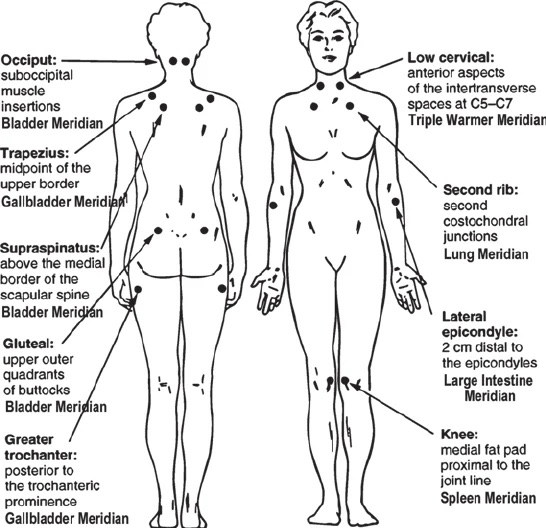
Fibromyalgia
Goal: Reduce Systemic Sensitivity
How: Low impact progressive loading and sleep hygiene to dampen the overactive pain processing in the brain.
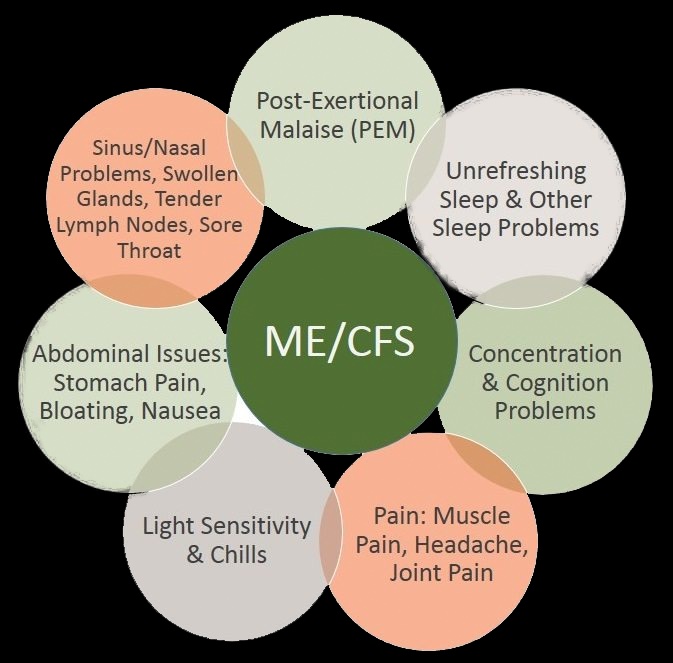
ME/CFS
Goal: Prevent Post Exertional Malaise
How: Energy mapping and heart rate monitored pacing to improve mitochondrial function without triggering a crash.
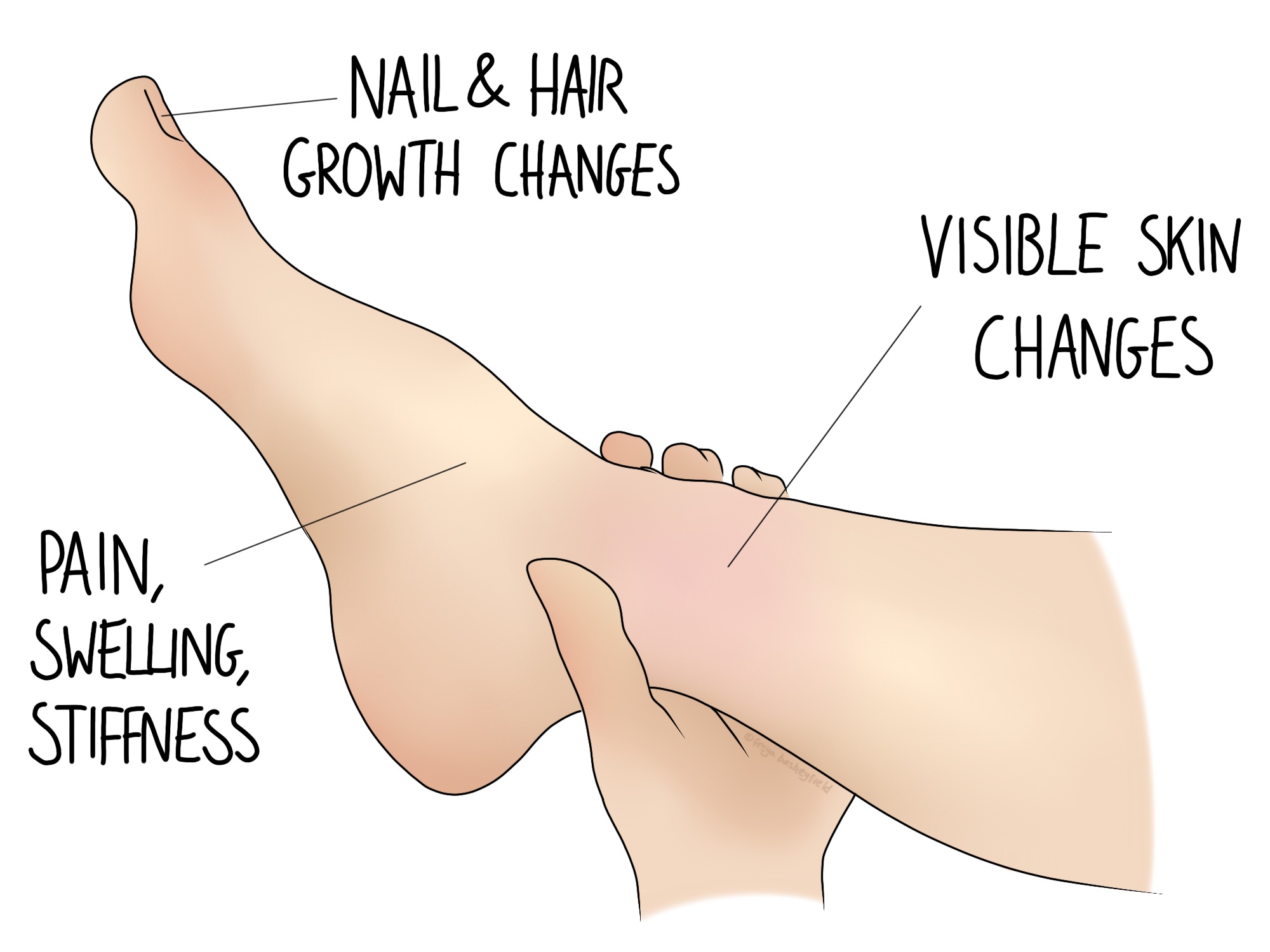
CRPS
Goal: Brain Body Reintegration
How: Graded Motor Imagery and desensitisation protocols to resolve cortical smudging and limb sensitivity.
Recovery Pathways: Clinical Pain Management
Scientific Solutions for Complex Syndromes
Complex Pain
Specialist
Addressing central sensitisation and CRPS through neurological re-education. We graded exposure to movement to desensitise the nervous system, helping you regain function without triggering a flare-up.
Clinical
Pacing
Essential for managing Fibromyalgia and ME/CFS. This approach focuses on energy mapping and motor control, ensuring your body remains steady and active while staying within your sustainable energy envelope.
Resilience
Training
The ultimate defense against chronic fatigue and systemic pain. Calibrated strength training builds the physical headroom required to handle daily life stressors and reduces your dependency on clinical visits.
Expectations for Complex Pain
Neurological adaptation takes time. Our protocol respects the physiological pace of nervous system desensitisation to ensure sustainable results.
Systemic Tolerance
Sensory Reset
Overcoming central sensitisation requires precise pacing. Reductions in widespread pain and improved sleep quality typically materialise at the 12-week mark through calibrated movement.
Energy Capacity
Envelope Expansion
Building mitochondrial resilience in ME/CFS takes time. Remodelling your “energy envelope” safely takes 4 to 6 months to ensure you can increase activity without triggering crashes.
Cortical Health
Neuroplastic Gains
Re-wiring the brain’s map of a sensitised limb (CRPS) is a slow physiological process. It typically takes 12 months of graded exposure to see measurable, permanent structural robustness.
Note: These physiological milestones are based on clinical data for complex pain recovery. Individual progress varies based on symptom duration and consistency.
The Complex Pain Recovery Matrix
We track functional markers that correlate with nervous system health. Recovery isn’t just about less pain, it’s also about restoring the physiological “headroom” required for daily life.
Nerve Flare
Tracking the frequency and intensity of systemic symptom spikes.
Exertion Cap
Measuring your “Energy Envelope” to ensure sustainable activity.
Sensory Map
Tracking limb sensitivity to touch, temperature, and pressure.
Autonomic Flow
Monitoring heart rate variability and response to postural shifts.
Resilience
Measuring total daily step capacity and recovery speed after stress.
Why Functional Testing Matters
Graded Exposure Progress
Tolerance to movement is a key marker of neurological health. We track your progress from non-weight bearing imagery to functional loading to ensure your nervous system feels safe at every stage.
Pacing & Independence
ME/CFS often hits the autonomic system first. We monitor your heart rate response to movement to ensure you stay strong enough to handle daily life in Singapore without triggering a crash.
Neurological Balance
Stability is not just about muscle, it’s also about “proprioceptive” accuracy. We measure how accurately your brain perceives your body, bridging the gap between clinical rehab and real-world safety.
Clinical Note: Objective data removes the guesswork. By measuring these specific benchmarks, we ensure your recovery is grounded in physiological capacity rather than just temporary symptom management.
The Evidence Gap
Why Paced Loading Beats Passive Rest
While rest is necessary during an acute flare, long-term avoidance of movement leads to “disuse hypersensitivity.” To recover, your nervous system needs a predictable, non-threatening stimulus that gradually restores your tolerance to daily life.
Stretching provides short-term neurological relief but does not address the underlying “threat response” of the brain. Only progressive loading can physically remodel the way your brain processes sensory input, leading to lasting desensitisation.
Without calibrated resistance, the body loses its “systemic headroom.” We use specific mechanical loads to build a buffer against the physical and environmental stressors that typically trigger complex pain and fatigue.
Your Journey to Systemic Robustness
Discovery Audit
We review your symptom history and energy patterns to identify your triggers—from cognitive load to physical exertion—establishing your current energy envelope.
Nervous System Baseline
Objective assessment of your autonomic health and sensory thresholds. We find your “baseline of safety” where you can move without fear of a post-exertional crash.
Desensitisation
Implementing the SQ1 Protocol to re-train your nervous system. We focus on graded exposure to movement, building the physical headroom needed to dampen persistent pain.
Self-Mastery
Transitioning to self-management. You’ll leave with the pacing tools and confidence to manage your own flares and continue your journey to full participation in life.

The Founder
Jesse Cai
Jesse Cai is a published chiropractor with a unique mission: to reduce your dependency on unnecessary treatments. Since founding Square One Active Recovery in 2018, Jesse has focused on bridging the gap between temporary symptom management and long-term functional recovery—a perspective shaped by his extensive work with elite athletes in the Australian Football League (AFL) and national sporting clubs. By applying high-performance clinical standards to complex pain management, Jesse utilises a Solution-Focused Coaching approach. He partners with you to identify your biological strengths and build a level of neurological robustness that ensures you graduate from treatment with the mastery to manage your own health for the long term.
Solution-Focused
Clinical Pain Science

Managing Expectations
Systemic Recovery vs. Symptom Chasing
Persistent pain is often “error signals” from a nervous system that has become hypersensitive. While rest feels safer, capacity is what grants you freedom. True recovery involves involves calibrated movement to desensitise the brain and build the physiological headroom needed for real-life activities.
The Common Trap
“I must wait for all my symptoms to disappear before I attempt any physical activity.”
The Clinical Truth
“Total inactivity lowers my pain threshold. I must use strategic pacing to expand my envelope.”
We don’t just chase the pain. We restore the physiological capacity you need for a lifetime of freedom.
Choosing Your Clinical Strategy
Building physical capacity to lower the sensitivity of your body systems.
Carefully managing your energy to increase what you can do without causing a crash or making symptoms worse.
Using gentle exercise to teach the brain that movement is safe which helps to reduce overall pain levels.
Specialised drills that help the brain create a clear map of the body to fix the confusion often seen in CRPS.
Tailored strength work to protect you against future flare ups and help your body handle everyday stress.
These options should be carefully considered because they do not address how the nervous system processes pain.
Often provide very little relief for complex pain and can sometimes make the body even more sensitive over time.
These target one small area but fail to solve the volume control issue within the central nervous system.
The physical stress of an operation can upset the nervous system and could lead to worse symptoms after the surgery.
Staying in bed leads to weakness and makes it even harder for the body to tolerate any activity in the future.
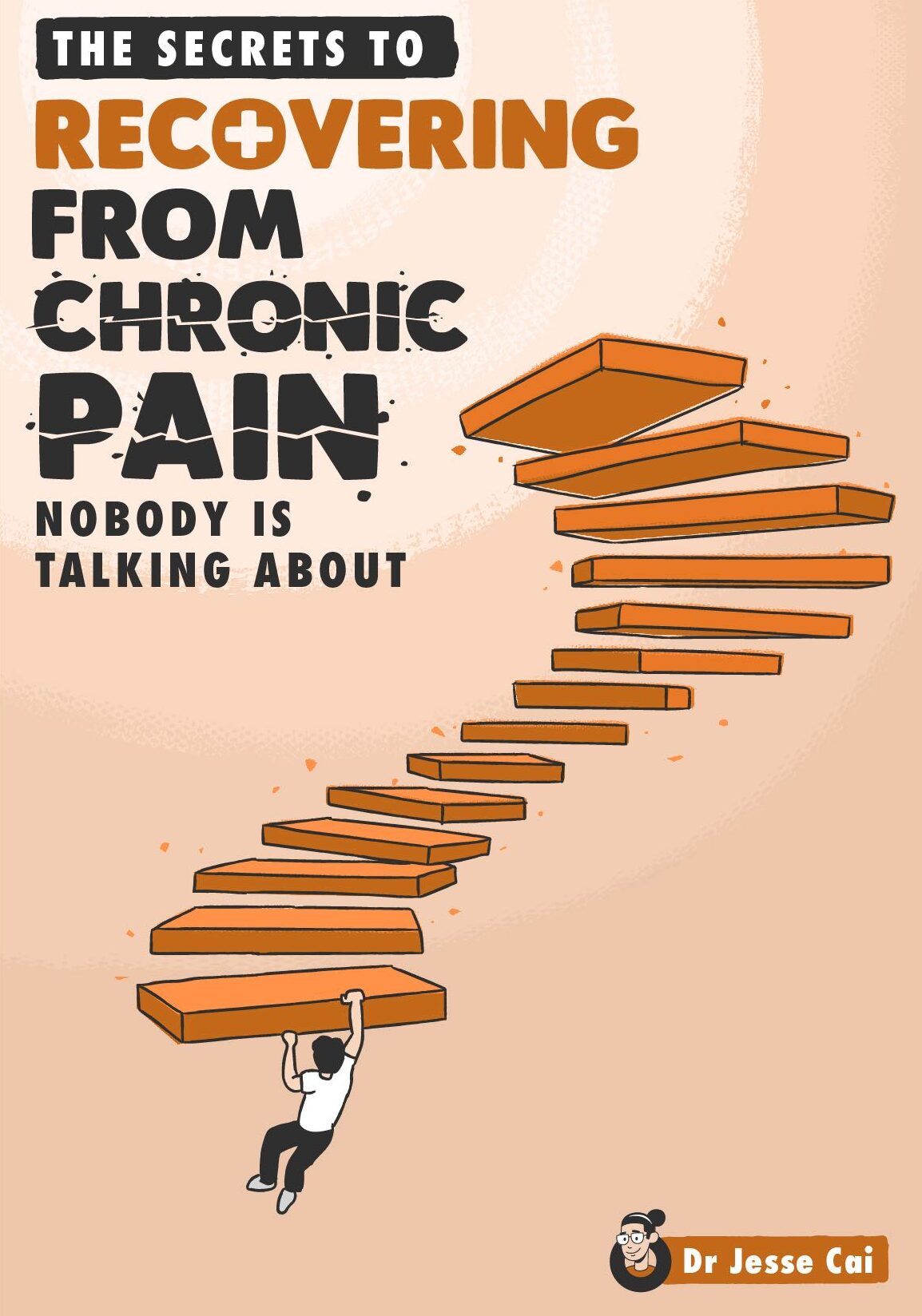
FREE GUIDE: MASTERING YOUR NERVOUS SYSTEM FOR PERMANENT RECOVERY
Learn why passive treatments often fail to stop the cycle of complex pain and fatigue. Discover how to utilise neurological pacing and graded exposure to rebuild your “physiological headroom,” avoid crashes, and regain your freedom. Enter your details below and we will email your copy within 24 hours.
RECLAIM YOUR VITALITY
The Square One Difference
Perfect for those who…
- ✔ Are tired of the “flare-up and rest” cycle that never leads to recovery.
- ✔ Have been told their pain is “all in their head” and want a biological explanation.
- ✔ Want to participate in life without fear of post-exertional malaise (PEM).
- ✔ Value a scientific approach that builds systemic resilience over “patch-up” care.
What to expect…
- ★ Self-Mastery: Gain the pacing skills to manage your own energy and symptoms.
- ★ Safety: Learning to move within your current envelope while safely expanding it.
- ★ Robustness: A nervous system that is objectively less reactive to physical stress.
- ★ Independence: Returning to social, professional, and family life on your terms.
Our mission is to reduce your dependency on unnecessary treatments and empower you with the physiological headroom to outlast your symptoms.
COMPLEX PAIN & FATIGUE FAQ
Is exercise safe for ME/CFS? I'm terrified of crashing.
Safety in ME/CFS is about heart-rate monitoring and strict pacing. We do not use “Push Through” mentalities. We use objective data to find your “entry point” where movement is non-threatening. By staying within your energy envelope and progressing with precision, we build systemic tolerance without triggering a crash.
My scans are clear, so why am I in so much pain?
In conditions like Fibromyalgia and CRPS, the issue isn’t the “hardware” (joints/bones) but the “software” (the nervous system). Your brain’s volume control for pain has been turned up. Research shows that calibrated loading is the most effective way to “turn the volume down” and desensitise the system, regardless of what a scan shows.
Will I be expected to lift weights? I can barely get through the day.
“Loading” starts where you are. For some, that might mean simple isometric holds or seated movements; for others, it’s progressive resistance. Our goal is to expand your “physiological headroom” so that daily tasks stop feeling like an Olympic event. We meet your body where it is today to get it where it needs to be.
How is this different from regular physiotherapy or massage?
Massage and passive therapies provide temporary relief but often leave the underlying nervous system sensitivity untouched. We focus on Active Recovery. Instead of just “fixing” a symptom, we address the systemic lack of capacity. We want to make you redundant to the healthcare system by giving you the tools to be your own therapist.
Can this help with CRPS if my limb is too sensitive to touch?
Yes. CRPS recovery often starts with cortical re-mapping and graded imagery—training the brain before we ever “load” the limb. By using a solution-focused approach, we help the brain stop perceiving movement as a threat, which is the essential first step to physical restoration.
READY TO OUTSMART YOUR PAIN?
Stop managing your symptoms and start mastering your recovery.
Don’t let central sensitisation dictate your future. Our active recovery protocol provides the clinical roadmap to a robust, independent, and high-functioning life.
Evidence-based practice • Singapore • No referral required