
Chiropractic Rehabilitation & Clinical Pilates
Shoulder Instability and DISLOCATION Rehab In Singapore
Living with chronic shoulder instability or recurring dislocations is physically and mentally exhausting. At Square One Active Recovery in Chinatown Singapore we help you rebuild neuromuscular control and restore full confidence.
Understanding The Roots Of Shoulder Instability
The shoulder is a ball and socket joint designed for extreme mobility over static stability much like a golf ball resting on a tee. A ring of flexible fibrocartilage called the glenoid labrum lines the socket rim to deepen it and provide a suction seal. Trauma sports injuries or forceful overhead impacts can tear or peel this labrum compromising the joint bumper and leading to chronic instability.
While an MRI can visualise torn labral tissue imaging is rarely mandatory if you are not pursuing surgery. Knowing the exact tear angle does not change nonsurgical care which focuses instead on global functional recovery by strengthening the rotator cuff stabilising the scapula and retraining neuromuscular reflexes to keep the joint centered under load.
Dislocation Versus Subluxation
When dealing with shoulder instability it helps to understand the exact mechanical event happening inside the joint. While both terms involve the humeral head slipping out of optimal socket alignment they present very differently in terms of physical displacement and immediate medical needs.
Shoulder Dislocation Complete Separation
A full dislocation occurs when the head of the humerus completely separates and pops entirely out of the glenoid socket causing an obvious visible deformity severe pain and total loss of active arm movement. If your shoulder is currently dislocated and locked out of place do not attempt to self reduce or force it back in as this risks severe nerve and blood vessel damage. Seek immediate medical attention at an emergency department or urgent care clinic for professional reduction followed by structured rehabilitation.
Shoulder Subluxation Partial Slipping
A subluxation occurs when the humeral head slips partially or momentarily out of alignment before springing back in. There is usually no permanent visible deformity but it triggers sharp catching intense apprehension or a feeling that the shoulder is giving way. Stop the triggering activity immediately allow the joint to settle and apply ice if needed. While an emergency room visit is rarely required for a self reduced subluxation persistent episodes signal compromised dynamic stabilisers and joint centration.
Structural Complications: Bony Bankart Lesions and Hill-Sachs Lesions
When shoulder dislocations happen repeatedly, the forceful impact between the bones can cause structural wear and tear to the joint surface. Two of the most common structural complications associated with recurrent anterior shoulder instability are Bony Bankart lesions and Hill-Sachs lesions.
What is a Bony Bankart Lesion?
A standard Bankart lesion involves a tear of the labrum from the front edge of the glenoid socket. However, when the humeral head violently pops out, it can chip off a small piece of the front-inferior rim of the glenoid bone itself. This is known as a Bony Bankart lesion. Losing a portion of this bony socket reduces the physical depth and stability of the joint, making future subluxations or dislocations much easier to trigger.
What is a Hill-Sachs Lesion?
A Hill-Sachs lesion occurs on the opposite side of the impact: the ball of the joint (the humeral head). When the shoulder dislocates, the soft bone of the humeral head violently strikes the hard front rim of the glenoid socket. This collision leaves a compression fracture or dent on the back-upper portion of the humeral head. The size and depth of this bone defect can influence how vulnerable the shoulder remains to future instability.
Managing Bony Lesions Through Active Recovery
While significant bony defects sometimes require orthopedic surgical intervention, many individuals with mild-to-moderate structural changes can successfully manage their condition without surgery. Our active recovery approach focuses on maximising dynamic joint stability. By heavily strengthening the rotator cuff, enhancing scapular control, and retraining neuromuscular reflexes, we can provide alternative joint containment—compensating for minor structural bone loss and keeping your shoulder secure during daily and athletic activities.
The Neuromuscular Dimension And Kinesiophobia
Frequent instability fosters kinesiophobia a deep protective fear of movement. You begin avoiding abduction and external rotation because the brain associates those positions with threat. Living with chronic instability triggers automatic defense strategies like involuntary muscle guarding reflex spasms and altered firing patterns. True rehabilitation works directly with the central nervous system to rewire these threat pathways through progressive exposure sharpening proprioception and restoring smooth controlled mechanics.
Specialised Apparatus Pilates For Dynamic Joint Centration
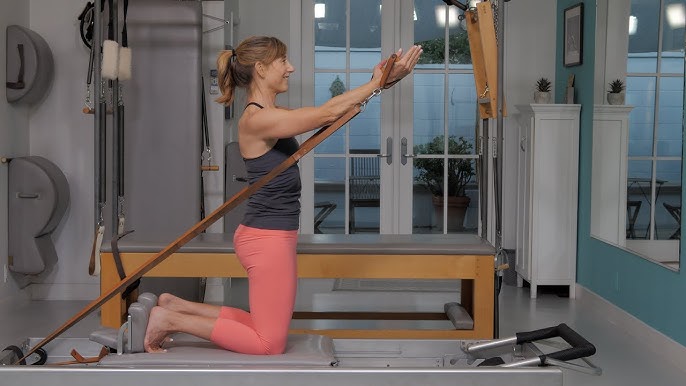
Rehabilitating an unstable shoulder requires balancing structural security with dynamic challenge. Traditional gym weights and standard resistance bands provide constant or linear loads that can overload a vulnerable joint at end range. We utilise advanced clinical apparatus including the Reformer for continuous spring feedback and the Cadillac Trapeze Table for 3D tensile loading to safely seat and centrate the humeral head.
What Services Do We Offer At Square One Active Recovery For Shoulder Instability?
At Square One Active Recovery, our multidisciplinary team provides a comprehensive, non-surgical pathway specifically tailored for shoulder instability and recurrent subluxations. Rather than relying on passive joint manipulation or temporary pain relief, our integrated services combine three core pillars:
- Chiropractic Rehabilitation: Expert clinical assessment and hands-on care designed to calm protective muscle guarding, restore optimal thoracic and shoulder joint mechanics, and layout progressive loading structures.
- Clinical Pilates: Utilising specialised apparatus like the Reformer and Cadillac to deliver precision neuromuscular isolation, spring-loaded tactile feedback, and deep stabiliser re-education without triggering apprehension.
- Personal Training Methodologies: Systematically building upper body strength, movement confidence, and functional resilience so you can return to heavy gym training, sports, and daily activities without fear.
Chiropractic Rehab vs Clinical Pilates Comparison
| Feature Focus | Chiropractic Rehab | Clinical Pilates |
|---|---|---|
| Primary Objective | Restoring mechanical capacity and reducing acute irritation | Improving shoulder stability and movement pattern |
| Load Management | Targeted manual therapy and progressive resistance | Spring resistance and equipment control for coordination |
| Best Suited For | Calming protective guarding and restoring joint tracking | Re-establishing deep rotator cuff and scapular stability |
Chiropractic Clinic Location
Chinatown & Raffles Place
Located in the Hong Lim Complex in the Chinatown area Square One Active Recovery serves professionals across the city heart minutes from Chinatown and Maxwell stations.
Accessibility
Raffles Place CBD
Walking distance from the CBD. Ideal for before work lunchtime or after work appointments.
Chinatown NEL DTL
Easily accessible from the MRT station. Located next to Chinatown Point and directly above Hong Lim Food Centre.
Maxwell TEL
Only five minutes walk from Maxwell station.
FREQUENTLY ASKED QUESTIONS
Where should I seek immediate help for a severe shoulder dislocation in Singapore?
If your shoulder is currently dislocated or locked out of place do not attempt to self reduce or force it back in. Seek immediate professional medical attention at major hospital emergency departments or visit polyclinics and general practitioner clinics for initial care and referral before starting active rehabilitation.
Do I need an MRI scan for a shoulder labral tear or instability?
In most nonsurgical rehabilitation cases an MRI or magnetic resonance arthrogram is not strictly necessary. Knowing the exact tear angle or minor structural flaw rarely alters your rehab plan which focuses on restoring global neuromuscular control and dynamic rotator cuff strength.
Can I do regular gym workouts while recovering from shoulder instability?
Yes but you will likely need temporary modifications to avoid vulnerable end ranges like heavy overhead presses or wide grip benching until your joint centration and dynamic stabiliser capacity improve. We help you modify your training so you can stay active safely.
How does clinical pilates differ from regular reformer pilates classes?
Clinical pilates at Square One Active Recovery is delivered within a healthcare and rehabilitation framework. Exercises are specifically prescribed and modified based on your individual instability thresholds tissue healing status and nervous system responses rather than following a general fitness class routine.
Where is Square One Active Recovery located in Singapore?
Our clinic is conveniently located at 538 Upper Cross St Hong Lim Complex Chinatown Singapore 050538 easily accessible for clients seeking specialised shoulder and joint rehabilitation across Singapore.
READY TO RESTORE YOUR SHOULDER STABILITY?
Rebuild strength and movement confidence
for lasting physical independence
Whether you are recovering from a recent dislocation or managing chronic subluxations our clinical approach gives you the strength and resilience to live without fear.
No referral needed • Evidence based active recovery • Singapore