
Evidence Based Chiropractor
Elbow, Wrist & Hand Pain Therapy in Singapore
Upper limb pain in Singapore is frequently driven by a “load vs. capacity” mismatch. Whether it is “Tennis Elbow” from repetitive gym loading, De Quervain’s tenosynovitis, or the mechanical strain associated with prolonged desk work, your grip and dexterity rely on precise structural resilience.
At Square One, we look beyond temporary ergonomic braces or wrist straps. By utilising objective grip strength testing and movement analysis, we address the root of upper kinetic chain dysfunction to build the load tolerance you need to return to your sport or daily life without limitation.
Rated 5/5 stars 🌟 by 150+ Google reviews.
Book your assessment today!
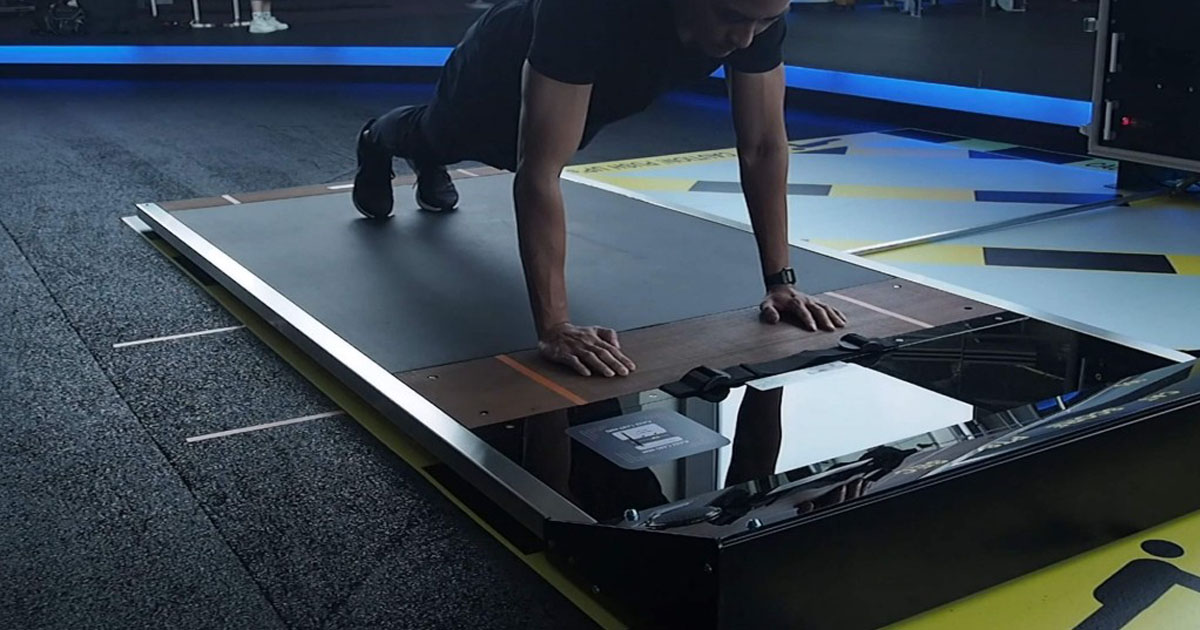
Common Upper Limb Presentations
Lateral Epicondylalgia
Persistent pain on the outer elbow during gripping or lifting (Tennis Elbow)
Medial Epicondylalgia
Pain on the inner elbow often worse with wrist flexion (Golfer’s Elbow)
Carpal Tunnel Syndrome
Numbness, tingling, or weakness in the hand due to median nerve compression
De Quervain’s
Sharp pain at the base of the thumb and wrist, typically felt when rotating or making a fist
Distal Biceps Tendinopathy
Pain in the front of the elbow fold with heavy pulling or lifting
Wrist Instability
Discomfort or clicking in the wrist following ligament injuries or repetitive strain
CLINICAL DETERMINANTS
PHYSIOLOGY OF ELBOW WRIST AND HAND PATHOLOGY
-
•
Pathological Load Mismatch
Chronic elbow and wrist conditions such as lateral epicondylopathy are primarily driven by a capacity deficit. Symptoms manifest when the mechanical tensile load placed on the tendon units exceeds the current structural tolerance of the connective tissue. -
•
Neurovascular Compression Dynamics
Distal symptoms including numbness or radiating hand pain often stem from peripheral nerve mechanosensitivity. Evidence suggests that targeted load progression is superior to passive rest for improving nerve gliding and local metabolic clearance within the carpal tunnel and cubital tunnel. -
•
Mechanotransduction and Adaptation
Permanent resolution of distal limb pain requires mechanotransduction. This biological process converts physical strain into cellular signals that trigger tendon remodelling. Passive modalities fail to induce these physiological changes which is why structural resilience requires a structured six to twelve week loading protocol.
THE WHY
Key Factors for Elbow, Wrist & Hand Pain in Singapore
Grip Strength Deficit
Insufficient forearm strength fails to stabilise the wrist and elbow joints, leading to tendon overload during repetitive tasks or heavy lifting.
Loading Errors
Rapid increases in gym volume or sudden peaks in keyboard/mouse usage often outpace the structural tolerance of the forearm tendons.
Incomplete Rehabilitation
Previous wrist sprains or elbow strains that weren’t fully rehabbed leave behind ligament laxity and reduced joint position sense.
Repetitive Microtrauma
Constant low-level stress from ergonomic poor setups sensitises upper limb tissues, creating a cumulative strain effect over time.
Tendon Capacity Gap
A lack of eccentric control in the wrist extensors makes the elbow vulnerable to ‘Tennis Elbow’ symptoms during sport or work.
Neural Sensitisation
Persistent mechanical pressure on the nerves at the wrist or elbow can lead to chronic tingling, numbness, and perceived weakness.
← Swipe to view all factors →
ELBOW, WRIST & HAND CONDITIONS WE TREAT
Most elbow, wrist and hand pain is not actually a sign of permanent damage. Instead, it is a clear signal that the physical work you are asking of your body is more than your muscles and tendons can currently handle. When the demand of your daily life or training exceeds your tissue capacity, the result is persistent discomfort.
At Square One Active Recovery, we look beyond the surface level of resting or wearing a brace. True recovery means closing that gap between your current strength and the mechanical stress of your tasks. Our protocol is designed to transition you away from merely managing symptoms toward a state of physical robustness by systematically increasing the load your arm can handle.

Tennis Elbow
Goal: Restore tendon load tolerance
How: Heavy slow resistance (HSR) training to facilitate tissue adaptation and reduce lateral elbow irritability.
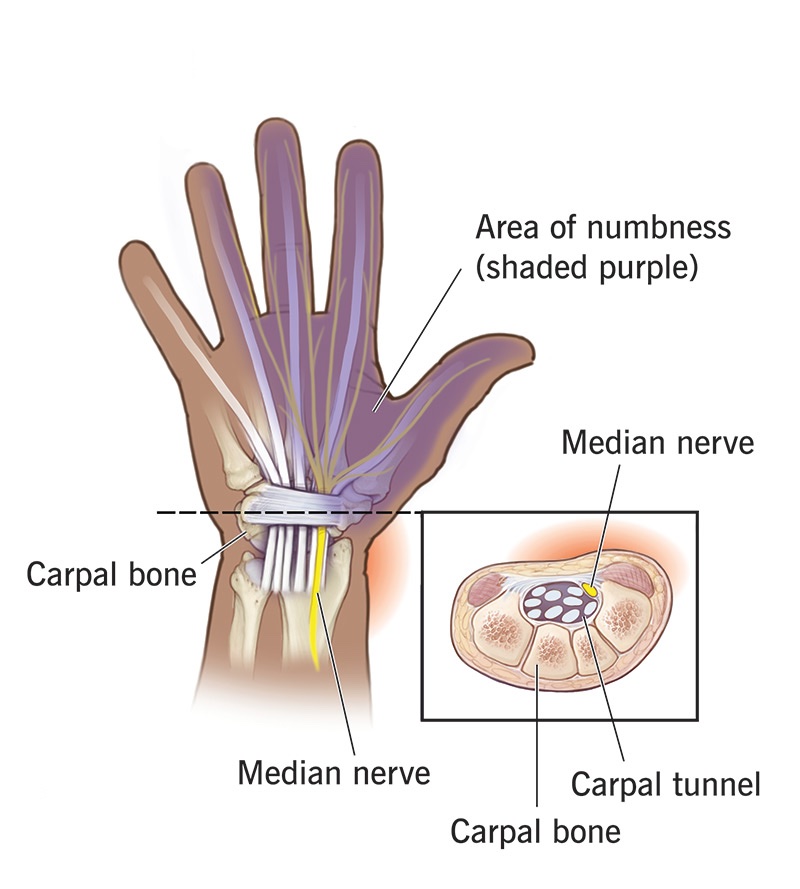
Carpal Tunnel Syndrome
Goal: Reduce median nerve irritation
How: Targeted nerve glides combined with progressive loading of the wrist flexors to improve neural mobility.
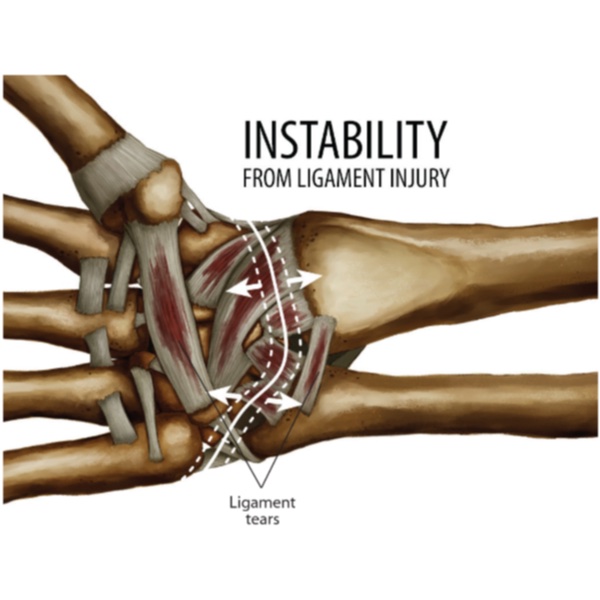
Chronic Wrist Instability
Goal: End the cycle of clicking and pain
How: Dynamic wrist stabilisation drills and proprioceptive training to support ligament laxity.

De Quervain’s
Goal: Offload the thumb tendons
How: Graded eccentric loading of the abductor pollicis longus and extensor pollicis brevis to restore pain-free dexterity.
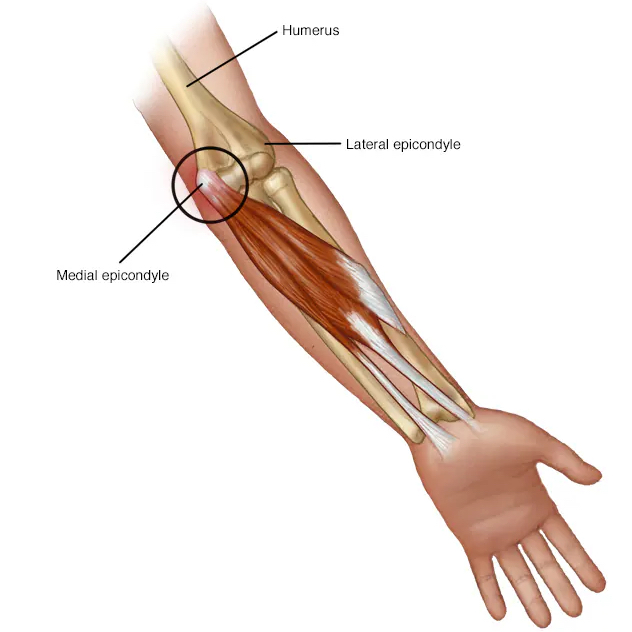
Golfer’s Elbow
Goal: Build medial elbow robustness
How: Systematic loading of the forearm flexors to manage tensile stress during lifting and swinging movements.
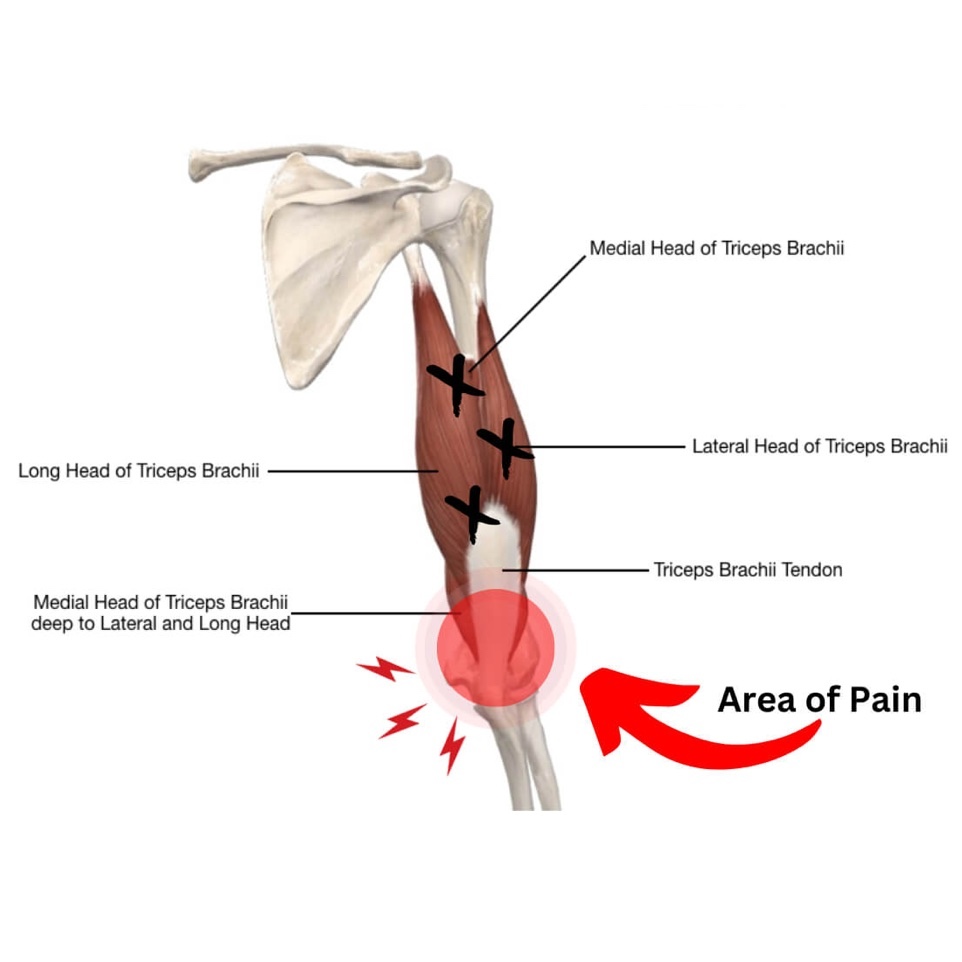
Triceps Tendinopathy
Goal: Increase posterior elbow resilience
How: Heavy isometric and isotonic loading to strengthen the triceps-tendon junction for pressing activities.
Elbow, Wrist & Hand: Chiropractic Rehab & Strength Coaching
EVIDENCE-BASED PAIN SOLUTIONS
Upper Limb Rehabilitation
Addressing tendon irritability and joint instability through functional loading. We focus on targeted exercises to build the grip strength and tendon resilience required to lift, carry, and perform without apprehension.
Clinical Pilates
Refining motor control for the wrist and forearm complex. This approach focuses on technical precision and intrinsic muscle activation to ensure joint stability during complex or high-repetition movements.
Strength & Conditioning
Once pain-free, we build dynamic capacity. High-level strength training is the ultimate protection for the elbow and wrist, creating the structural robustness required for your sport or profession.
Upper Limb Recovery Timeline
While every injury is unique, most active recovery journeys follow this staged pathway to permanent resilience.
Weeks 1 – 4
Desensitisation
Focus on reducing acute nerve or tendon irritability. We restore movement “windows” through controlled neural glides, isometric loading, and basic grip mobilisations to settle the system.
Weeks 5 – 12
Load Integration
Progressive strengthening of the forearm extensors, flexors, and thumb stabilisers. We utilise targeted loading to remodel tendon tissue and increase overall joint capacity.
Weeks 12+
Robustness
Advanced plyometric and reactive training for the upper limb. We build high-capacity tissue to ensure your elbows and wrists can handle rapid loading and high-impact sport without relapse.
← Swipe to view timeline →

Did You Know?
Braces & Muscle Deconditioning
Relying on wrist braces or elbow straps for extended periods can lead to “learned non-use” and significant wasting of the stabilising muscles in the forearm.
The Support Trap
By providing external “support,” braces reduce the demand on your tendons, causing them to lose the capacity to handle daily loads.
Active Solution
Research suggests that graded loading and not total immobilisation as the key to remodeling tendon tissue in chronic epicondylalgia.
True resilience is built through active loading, not by making your body dependent on external bracing.
The Objective Recovery Matrix
Grip Torque
Forearm & hand power.
Proprioception
Wrist joint position sense.
Pronation/Sup
Elbow rotation mobility.
Eccentric Control
Tendon decelerating capacity.
Neural Tolerance
Nerve gliding efficiency.
Why This Data Drives Results
Tendon Remodelling
Upper limb recovery is a mechanical adaptation. We track load progression (e.g., wrist curls or isometric holds) because it confirms your tendons have physically adapted to handle professional or athletic demands.
Neural Gliding & Desensitisation
Persistent tingling or ache is often neural in nature. We monitor nerve tension tolerance to ensure your nervous system can handle repetitive movements without triggering a pain response.
Kinetic Integration
Wrist pain is often a byproduct of elbow or shoulder weakness. We measure the integration of the entire limb to ensure your brain allows for high-force output because the whole chain is robust.
Clinical Note: By prioritising objective data over subjective relief, we bridge the gap between “not hurting” and being “truly resilient” for life’s physical demands.
Clinical Reality
Why Active Recovery Beats Passive Wrist Adjustments
Cracking carpal bones or “realigning” the elbow provides a temporary “window” of relief but does nothing to build the tendon resilience required for heavy lifting or typing.
Passive therapy ignores forearm muscle deconditioning, leaving the wrist and elbow vulnerable to repetitive strain and mechanical overload.
Resting or over-using braces leads to rapid muscle loss and a further reduction in your ability to grip, carry, or perform athletic movements.
The First Visit & Beyond
Consultation
We review your history to understand your specific loading goals—whether it’s high-level CrossFit, pain-free ergonomics, or competitive racquet sports.
Assessment
Physical evaluation of grip torque, wrist stability, and neural tension. We find your current entry point for progressive loading.
SQ1 Protocol
Desensitising irritable tissues while building the muscular capacity to stabilise the elbow and wrist under high-impact stress.
Self-Management
Learn to manage your own training load. We provide the tools to maintain resilience and prevent future flare-ups independently.

The Founder
Jesse Cai
Jesse Cai is a published chiropractor with a unique mission to reduce your dependency on unnecessary treatments. Since founding Square One Active Recovery in 2018 Jesse has bridged the gap between temporary care and high function living. This perspective was shaped by his experience with elite athletes in the Australian Football League (AFL). Today Jesse utilises a Solution Focused Coaching approach. He partners with you to identify your strengths and build a level of physical robustness that ensures you handle anything life throws at you.
Sports Chiropractic
Injury Rehabilitation
Managing Expectations
The Clinical Reality of Elbow & Wrist Recovery
Recovery is about remodelling tissue. As we strengthen your forearm and grip, you may experience temporary discomfort. This isn’t “damage”! It’s your tendons and nerves adapting to new levels of physical capacity.
The Myth
“If my elbow hurts, I should wear a strap and stop using my arm until it feels normal again.”
The Reality
“I need to apply progressive loading to teach my tendons and muscles to handle force safely.”
We don’t just treat the pain. We build the resilience inside you.
Understanding Your Elbow, Wrist & Hand Pathway
Restoring function by building tissue tolerance and grip capacity.
We use progressive exercises to strengthen your tendons so they can handle the weight of your daily tasks or training.
Building forearm power and finger strength to protect your elbow and wrist joints when you are lifting heavy objects.
Specific movements that help your nerves slide smoothly through your arm to reduce tingling and numbness.
Improving how your shoulder and upper back work together to take the pressure off the smaller joints in your hand.
Often considered when conservative care does not provide enough relief.
These can provide fast pain relief but they may weaken the tendon and increase the chance of the pain coming back later.
A surgeon creates more space for a trapped nerve. You will still need rehab afterwards to get your full grip strength back.
This involves removing damaged parts of the tendon. Research shows that proper exercise is often just as effective as this surgery.
Used for very severe wear and tear. It stops the joint from moving to end the pain which is why it is usually a last resort.
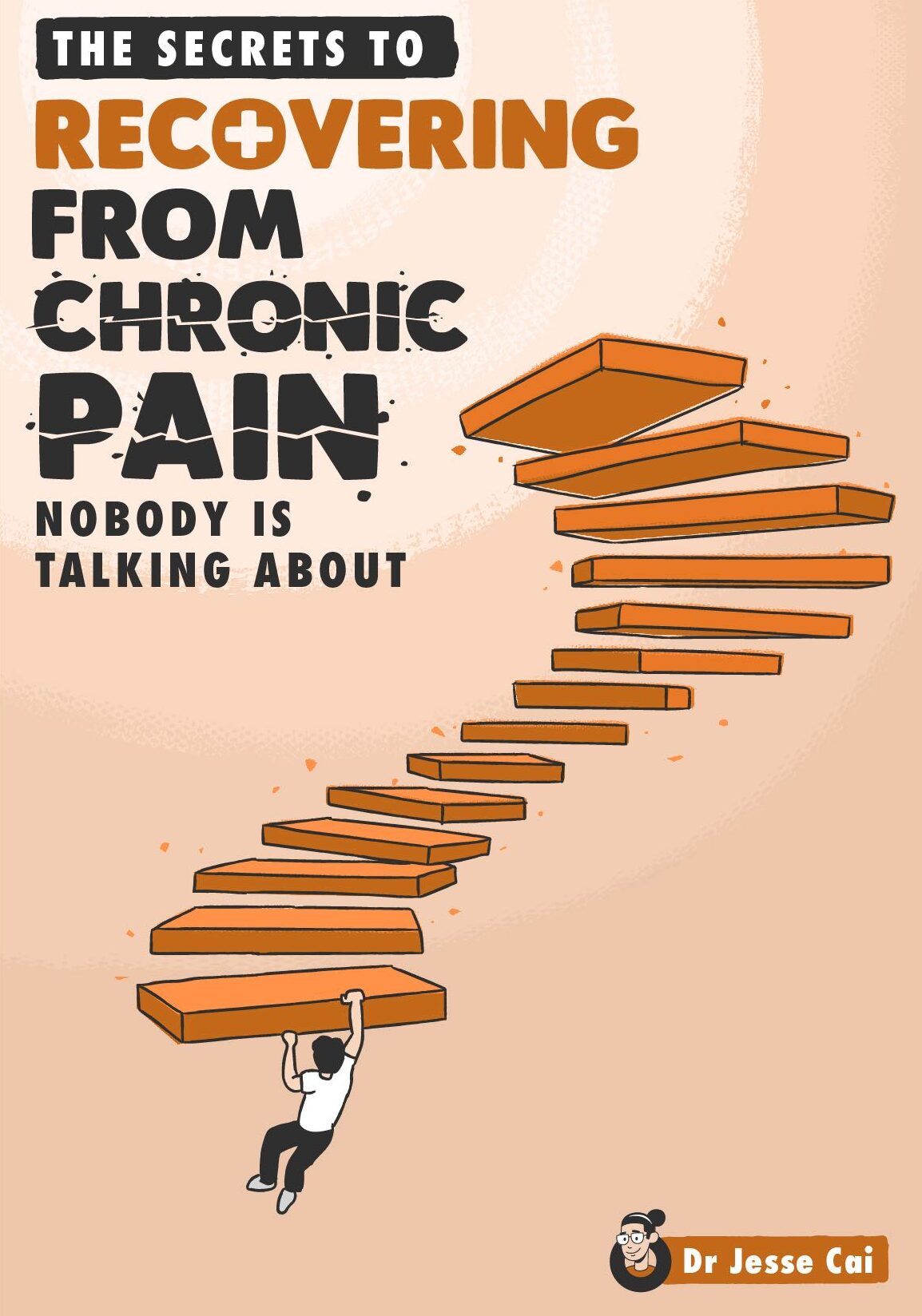
FREE DOWNLOAD: THE TRUTH ABOUT CHRONIC ELBOW & WRIST PAIN
Discover why braces and rest fail and how to build grip capacity for permanent resilience. Guide sent within 24 hours.
RECLAIM YOUR FREEDOM
The Square One Difference
Perfect for those who…
- ✔ Are tired of “managing” pain with wrist braces, straps, or rest
- ✔ Have been told they have “Tennis Elbow” or “Carpal Tunnel” but want to avoid surgery
- ✔ Want to lift, type, and carry without sharp elbow pain or hand numbness
- ✔ Value evidence-based care over traditional “passive” massage or adjustments
What to expect…
- ★ Autonomy: Tools to manage your own forearm and hand recovery independently.
- ★ Clarity: A clear roadmap for tendon, nerve, and grip health.
- ★ Strength: A grip and upper limb that is objectively more resilient than before.
- ★ Longevity: Results that last years, not just until your next massage.
Our mission is to reduce your dependency on unnecessary treatments and restore your freedom of movement.
ELBOW, WRIST & HAND FAQ
How is this different from traditional physiotherapy or hand therapy?
Most traditional clinics focus on passive modalities like ultrasound, shockwave, or soft tissue massage to “reduce inflammation.” While these might offer short-term relief, they don’t address underlying weakness. The SQ1 Protocol focuses on active loading to build a limb that stays pain-free under the mechanical stress of work or sport.
I've been told I have 'Tennis Elbow.' Do I need to stop gymming?
Modern research shows that complete rest is often detrimental to tendon health. Most elbow pain is a sign of a tendon that isn’t strong enough for its current load. We focus on finding your “entry point”, the level of loading you can handle now, and building up capacity from there so you can keep training.
Can you help with Carpal Tunnel or tingling in the fingers?
Yes. Nerve-related issues are often a failure of neural gliding or secondary to proximal weakness in the forearm and shoulder. We focus on desensitising the nervous system and improving the structural support around the nerve to resolve symptoms without needing splints permanently.
Will I be able to return to heavy lifting or manual work?
Absolutely. That is the primary goal. We don’t just want you “pain-free” while resting; we want you robust enough to handle heavy carries, pull-ups, or long hours of manual tasks without the fear of your grip giving way.
Do I need an MRI for my wrist pain before seeing you?
In most cases, no. Many people have structural “tears” or “wear” on scans but zero pain. We treat the person, not the image. If we can progressively load your wrist and improve your function, we can usually achieve great results regardless of what a scan says.
READY TO FIX YOUR ARM FOR GOOD?
Stop managing the symptoms and start building a high-capacity limb.
From acute wrist sprains to chronic golfer’s elbow, our evidence-based protocol provides the roadmap to permanent recovery and athletic longevity.
No referral needed • Evidence-based active recovery • Singapore