
Big news just dropped in the weight loss world. Just last week, the FDA approved Eli Lilly’s Foundayo. It is the world’s first oral GLP-1 pill that you can take any time of day without food or water restrictions. This is a huge contrast to ozempic, which is the injectable GLP-1 used to treat diabetes and now used for weight loss.
Foundayo: oral GLP-1 for weight loss
Foundayo (generic name: orforglipron) is the second GLP-1 pill approved for weight loss, following Novo Nordisk’s Wegovy pill (not yet approved in Singapore) late last year. Unlike injectable options like Ozempic or Zepbound that require weekly shots, Foundayo is a once-daily pill that delivered an average of 11% of weight loss in clinical trials.
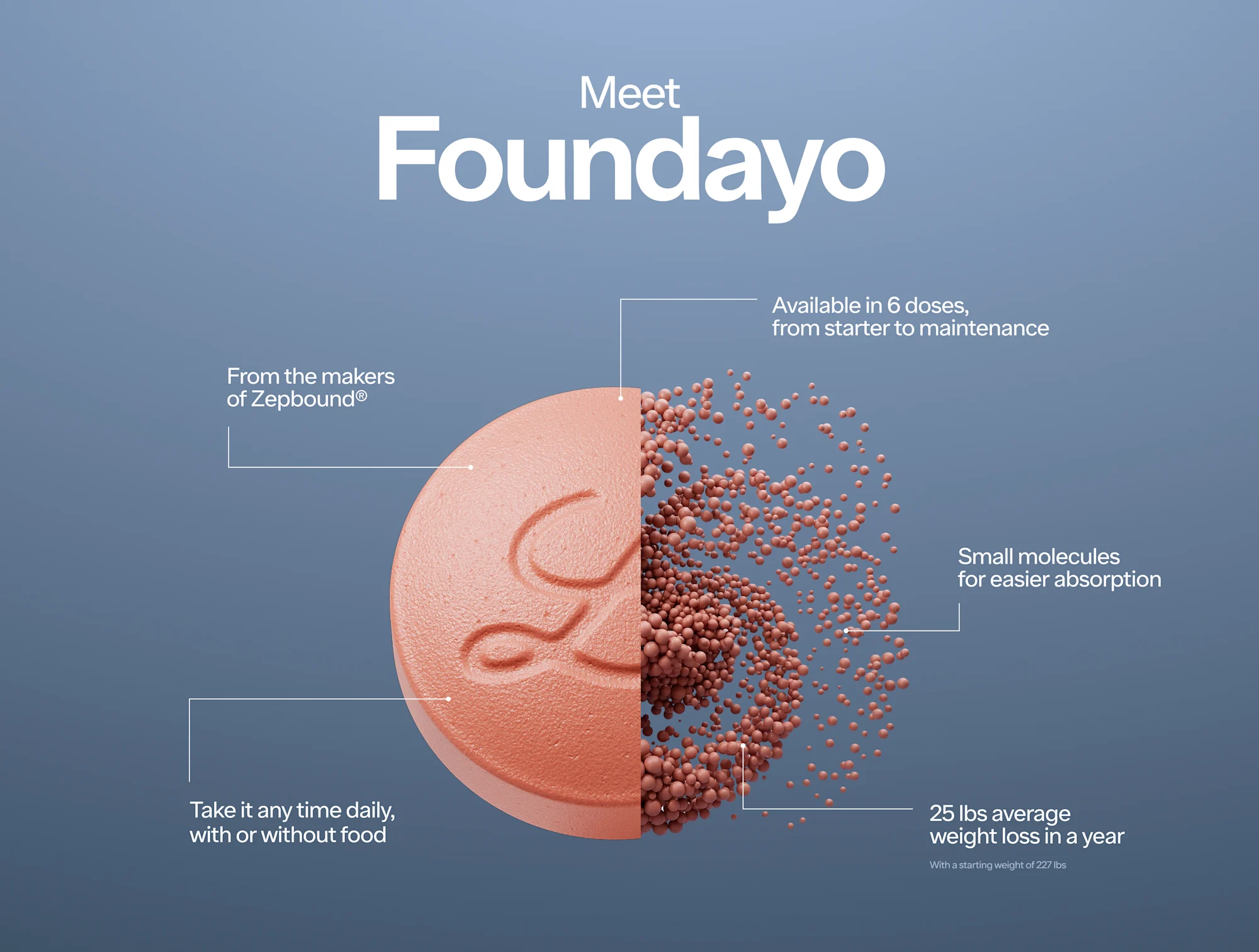 The FDA fast-tracked this approval, approximately 100 days from their submission. It is one of the fastest for a brand-new drug type, and that speaks to how seriously obesity is being taken as a public health crisis.
Here in Singapore, while we don’t have Foundayo yet, we do have access to various GLP-1 medications through proper medical channels. Ozempic is approved for Type 2 diabetes (often prescribed off-label for weight loss), and doctors can prescribe Saxenda, Rybelsus, and other GLP-1 agonists when clinically appropriate.
Exercise association concerned with muscle loss associated with GLP-1
Right before FDA approved Foundayo, Exercise & Sports Science Australia (ESSA) released a position statement that subtly discouraged the use of GLP-1 for weight loss.
The thing about professional organisations is that everyone will have to protect their own interest. While it’s true that healthcare today is a lot more collaborative than it was many years ago, professional associations still have to represent the interest of their members. An increase in uptake for pharmacologic intervention for weight loss can potentially translate to less income for (clinical) exercise physiologists in Australia. Doctors may start to prescribe GLP-1 for obese patients than to refer them to exercise physiologists for weight loss.
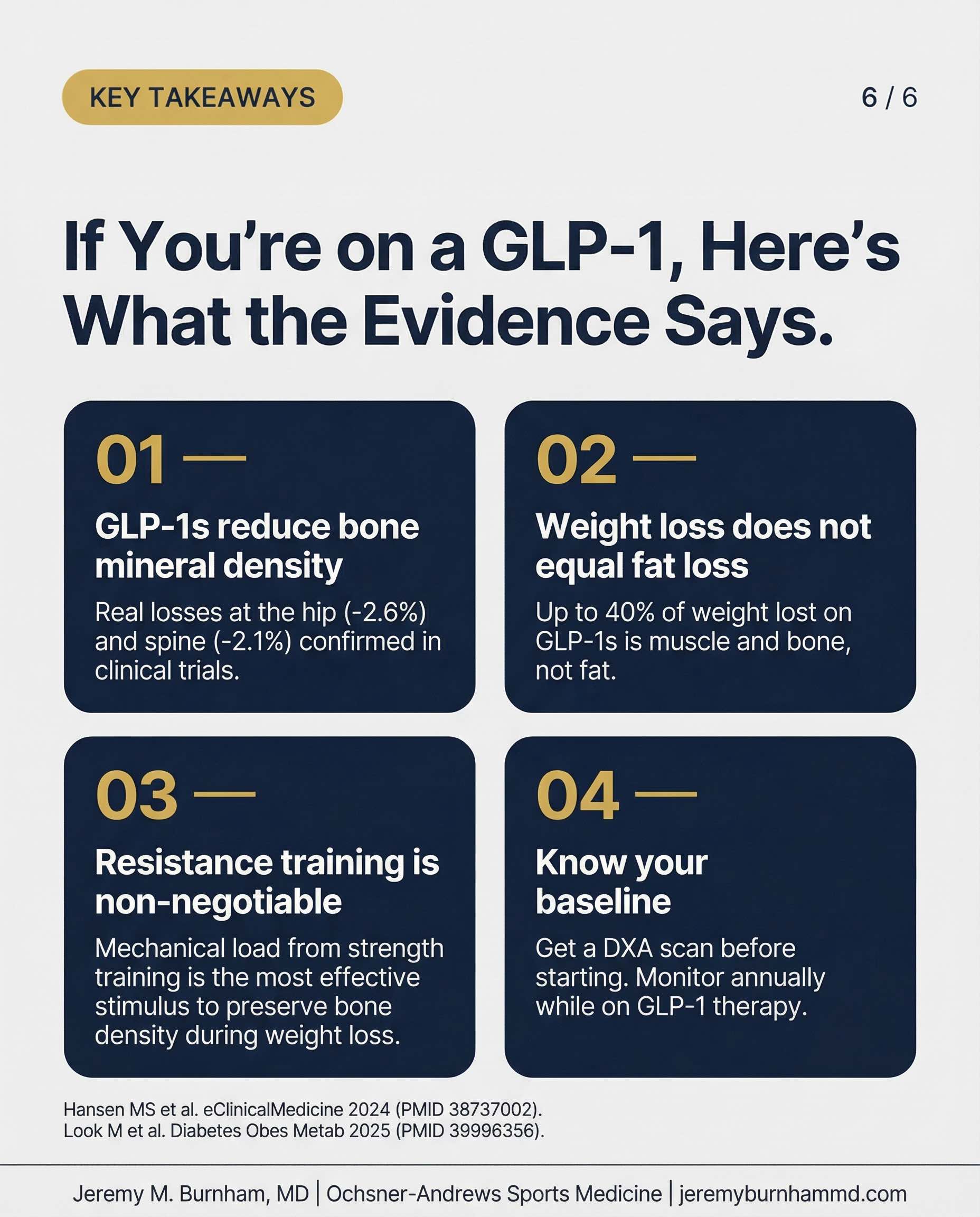
To be absolutely fair though, their concerns are not unmerited. Muscle and bone loss with the use of GLP-1 is well documented. Research shows that patients can lose up to 25-40% of their lean muscle mass with weight loss induced by GLP-1. For overweight patients with reduced muscle mass (i.e., sarcopenia), this is a major health concern.
It is clear the GLP-1 does help with weight loss. Part of this weight loss includes loss of muscle mass, which can negatively impact long-term health. ESSA’s position is that GLP-1 medications should be combined with structured exercise programs such as resistance training to preserve lean body mass during weight loss.
How to start GLP-1 treatment in Singapore
In Singapore, GLP-1 medications are prescription-only medicines regulated by the Health Sciences Authority (HSA). Ozempic is approved for Type 2 diabetes. However, off-label prescribing for weight loss is legal when done by qualified doctors.
There are illegal sales of “ozempic” online. These listings claim to be the actual drug. However, there is no way to verify that there genuine products. HSA has removed over 7,000 illegal product listings from e-commerce platforms in 2024 alone. Many of them contained banned substances like sibutramine, an appetite suppressant, that has been banned in many countries including Singapore due to increased risk of heart attack and stroke.
If you’re considering GLP-1 medications:
- See a licensed doctor first. They’ll assess your health status, medical history, and whether you’re a suitable candidate.
- Get baseline tests. This includes bone density scans (DXA) if you’re over 40, post-menopausal, or have risk factors for osteoporosis.
- Expect to pay. These aren’t cheap—typically SGD $400-650 per month through legitimate channels.
- Understand this is long-term. Weight often rebounds when you stop the medication.
Body weight is not a vanity matrix
It is easy to conflate weight loss for health reasons as vanity. It is not. Obesity is a chronic disease. With this in view, it shouldn’t be shocking that some individuals may need more than lifestyle interventions to achieve a healthy body weight.
Previously, weight was largely seen as a vanity metric. People felt like if they weren’t vain, weight wasn’t important. Fortunately, attitudes are changing. More people are paying attention to body fat from a health perspective. It is a fundamental shift in understanding that excessive body fat is more of a health concern than just aesthetics.
Excess body fat increases risk for type 2 diabetes, cardiovascular disease, cancers, sleep apnea, fatty liver disease, joint problems, and mental health issues!
How to Use GLP-1 medications meaningfully
My point is that obesity is a medical disease and should be treated as such. Diet and exercise, more so diet, are lifestyle interventions that can help most people. For complex cases, more aggressive treatments may be required.
If you have given diet and exercise a genuine attempt but can’t get the results you want, here are some considerations for using GLP-1 meaningfully.
1. Combine GLP-1 with resistance training (non-negotiable)
The fact of the matter is that there is a risk of losing lean muscle mass when using GLP-1. Even if you are not losing any weight from exercising, you want to keep up with resistance training even when you’re on GLP-1. The health concerns relating to body weight is excessive body fat. What you want is to lose body fat while preserving as much muscle mass as possible. Resistance training can help with that.
Resistance training 2-3 times per week is ideal. Compound movements such as squats, deadlifts, rows, and presses create the most efficient mechanical loading for muscle and bone health.

A study by JAMA in 2024 found that combining exercise with GLP-1 medication yield weight loss results superior to both exercise alone and medication alone. Not only that, the combination group did not experience any bone mineral density loss while the medication-without-exercise group did report a decrease in bone mineral density.
Progressive resistance training isn’t about becoming a bodybuilder or getting jacked. It’s about preserving your muscle and bones in your weight loss journey for better health.
2. Prioritise protein intake
Protein intake is easily one of the most discussed topics when it comes to preserving muscle mass during weight loss. Body transformation personal trainers in Singapore often recommend protein intake up to 2.2g of protein per kg of body weight per day.
If you are 80kg, then you will be looking at a protein intake of 176g per day. This is considerably excessive and also unrealistic for most people.
However, there is a lot of truth that protein intake can help with lean muscle mass preservation. A 2024 systematic review and meta-analysis involving 3,218 participants reported that protein intake exceeding 1.3 g/kg/day increases muscle mass while those who consume less than 1g are more likely to lose muscle mass.

Similar recommendations can also be found for GLP-1 users. Last year, in the 42nd International Symposium on Diabetes and Nutrition, protein intakes >1.2 g/kg/day are recommended to preserve lean body mass. The recommendation specifically emphasise that GLP-1 users should engage in both aerobic and resistance training, while achieving adequate protein intake, for best results.
Simply put, you should aim to consider at least 1.2g to 1.3g of protein per kg of body weight per day when engaging in a weight loss programme. For GLP-1 users, this is especially important given the risk of lean muscle mass decline. Although the exact optimum protein intake is not quite agreed on by experts, 1.2g to 1.6g/kg/day is a good range for now.
3. Work with professionals who cares and get it
GLP-1 is a prescription drug in Singapore. In that sense, you have no choice but to work with a medical doctor if you are considering GP1-1 for weight loss. Choosing a doctor who understands metabolic heath and that overweight is neither about laziness or poor discipline is important.
The risks of losing muscle mass (up to 40%) and bone mineral density means you should engage an exercise professional or personal trainer as well. Your trainer should know how to program resistance training for weight loss and have an astute understanding of strategies to preserving muscle mass during weight loss.
Lastly, hiring a dietitian can also optimise your nutrition. While most exercise professionals can provide basic nutrition advice, dietitians complete at least five years of training and is better positioned to provide targeted nutrition advice. The knowledge and skills you learn will also be applicable to nutrition planning in the future when you decide to stop GLP-1.
Weight loss with Jesse Cai at Square One Active Recovery
Believe it or not, I do work a lot with clients looking to lose weight. It’s certainly not typical for a chiropractor to help with weight loss. However, excessive body fat is linked to chronic pain. Since I focus exclusively on exercise interventions, I’m uniquely positioned to help clients who are overweight achieve meaningful, sustainable results for both their weight loss and chronic pain. Two services for the price of one!
My approach to weight loss is strictly health-focused. In that sense, I don’t work with clients to pursue a specific physique or aesthetic. Quite frankly, I don’t have the skills or experience to train for sports modeling or bikini competitions. That’s not what we do here.
What makes Square One Active Recovery different is our whole-person approach. My training as a chiropractor means I understand body mechanics, injury prevention, and movement dysfunction. When you work with us on weight loss, whether you’re using GLP-1 medications or not, you don’t just lose weight. You build a body that’s functional, strong, and resilient.
This matters even more when you’re on GLP-1 medications. The risk of muscle and bone loss is real, but with proper resistance training programming and clinical oversight, we can mitigate those risks while you achieve your weight goals.
At Square One Active Recovery, we’re all about empowering you to take charge of your health. Our mission? To make our own services redundant to you. That means teaching you the principles and habits that will serve you long after you’ve reached your goals, and long after you’ve stopped taking medication!
Obesity Centre at Singapore General Hospital
Not only do we have one of the best healthcare systems in the world, but Singapore General Hospital is one of the best hospitals in the world! I think a lot of Singaporeans tend to diss public health, thinking that private medical care is superior. But that’s simply not true. Singapore public hospitals consistently outrank private hospitals in world rankings (by a very big margin).
If you’re open to receiving medical help for your weight loss, the Obesity Centre at Singapore General Hospital is worth exploring. The centre is a multidisciplinary clinic that brings together endocrinologists, dietitians, exercise physiologists, and surgeons under one roof. It is the kind exactly the kind of comprehensive team that can deliver a whole-person approach for weight loss.
Even though is public health is subsidised in Singapore, ozempic for weight loss (off-label use) is NOT subsidised. If you are prescribed ozempic by the doctors at SGH, you’ll be paying out-of-pocket because it’s off-label use.
* Ozempic for diabetes is subsidised in Singapore when prescribed for its approved indication (type 2 diabetes management). If you’re diabetic and you qualify, you can access ozempic through public healthcare with government subsidies reducing your costs significantly.
However, choosing SGH can still be cheaper because of lower consultation fees compared to private clinics.
4. Plan for the Long Game
I don’t think people start GLP-1 medication with the intention to take it for life. At some point, I believe the majority of patients would like to taper off their medication. Research shows us that half of the people using GLP-1 stopped after one year. Sometimes it’s cost. Sometimes it’s side effects. Sometimes it’s just life getting in the way.
When you stop, your appetite comes back. Your weight starts to creep back up again (more on this later). If you haven’t built sustainable habits around nutrition and movement, you’re going back to where you started.
This is why you need to play the long game.
GLP-1 medications work best as part of a comprehensive lifestyle intervention. Not as a replacement for poor diet or a sedentary lifestyle. It can help you get started with weight loss, with impressive results to show, but not for the long-term.
This means you need to address the root causes of weight gain in the first place.
Your relationship with food
Are you an emotional eater? Do you reach for food when you’re stressed, bored, anxious, or sad? Do you use food as reward or comfort? Do you eat cos there is nothing better to do?
Do you eat as a hobby? We know Singaporeans love to eat.
GLP-1 medications work by suppressing your appetite pharmacologically. However, they don’t change the psychological drivers of overeating. When the medication stops working its magic, those patterns will still be there unless you’ve addressed them.
If you are eating as a stress coping mechanism, you may need to consider working with a psychologist who can help with eating behaviours. This may mean learning mindful eating techniques or picking up healthier stress management strategies.
Eating is also a social activity. Sometimes we meet people to for food and drinks just cos it’s convenient. It’s almost cultural. To keep the diet part in check, it may be worth considering exercising as a social activity. It’s not going to be easy but it’s definitely going to be the healthier choice for you and your friends.
5. Monitor your progress beyond the scale (optional)
Lastly, if your budget allows, you may want to consider getting a baseline DEXA scan before starting GLP-1. DEXA scan is the gold standard to measure body composition. You will get exact readings for your fat mass, lean body mass, bone mineral density.
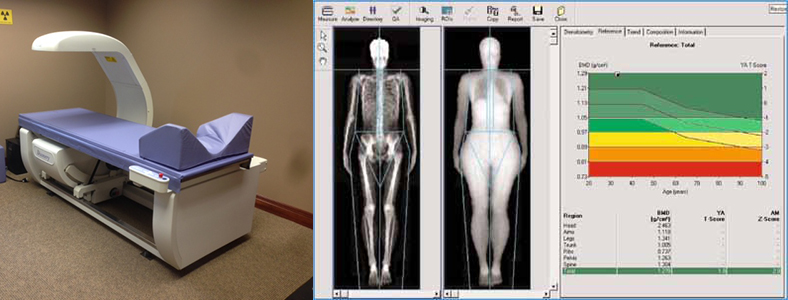
During a DEXA scan, the patient will lie on a padded table while a scanner arm passes over the lower spine and hips to take images. DEXA does require minimal radiation, comparable to the exposure of daily life radiation of about three hours.
Given that there is a risk of losing lean muscle mass and bone mineral density, having a pre-treatment DXA would allow you to compare subsequent scans to so you know if you are actually losing the excessive body fat.
However, this is completely optional.
GLP-1 is not a shortcut for lazy people
The current hype in GLP-1 can be attributed to celebrities talking about their successful weight loss with GLP-1. I am not sure if these are paid endorsement, but it doesn’t matter either way. GLP-1, in Singapore at least, is a regulated prescription and should only be used based on doctor’s advice. Not celebrities’ recommendations.
It is easy to think of GLP-1 as a quick fix but that is genuinely no the case. For patients using newer and more effective incretin mimetics (e.g., ozempic), the weight regain after stopping medication for one year was 9.9kg (from a loss of 14.7kg). That is a 67% weight regain in one year! This weight rebound is four times faster than participants who used behavioural programmes (e.g., diet, exercise, etc).
Successful weight loss through use of GLP-1 is totally plausible and does come with health benefits. The problem is that the weight loss is not sustainable if used alone. ESSA’s caution towards GLP-1 is well founded and a holistic programme that addresses both food intake and physical activity is necessary for meaningful long-term results.
If you’re considering GLP-1 medications, understand what you’re signing up for. Work with qualified professionals. Combine it with proper resistance training and nutrition. Monitor your body composition, not just your weight.
And if you’re not ready for medication, that is okay too! Know that structured lifestyle interventions can still be helpful. They require more patience and more effort, results are slower, but they build the kind of lasting health that no pill can deliver on its own.
BOOK A CHIROPRACTOR IN SINGAPORE
Based in Singapore, Square One Active Recovery offers treatments with a very big difference. With our evidence-based exercise approach, you can achieve your recovery goals in just 12 weeks. Not getting results from your chiropractor, TCM doctor or physiotherapist? Talk to us and find out how we can take your recovery to the next level.
Our goal? To make our own services redundant to you.
*We do not offer temporary pain relief such as chiropractic adjustments, dry needling, or any form of soft tissue therapy.

