
MUSCULOSKELETAL SPECIALIST
Active Ageing & Longevity: Evidence-Based Strength in Singapore
Aging in Singapore doesn’t have to mean a decline in physical freedom. Whether you are managing Osteoporosis, reversing Sarcopenia, or navigating chronic Arthritis, your independence relies on one thing: functional capacity.
At Square One, we move beyond medication and passive treatments. By utilising objective strength testing and osteogenic loading, we help you build a body that outlasts its chronological age, ensuring you remain robust, mobile, and independent for the long term.
Rated 5/5 stars 🌟 by 150+ Google reviews.
Invest in your future self today!

Primary Longevity Concerns
Bone Density
Countering Osteoporosis by increasing bone mineral density through mechanical loading.
Muscle Mass
Fighting Sarcopenia to maintain the strength needed for daily living and metabolism.
Balance & Fall
Improving proprioception and lower-body power to prevent fragility-related falls.
Joint Health
Managing Arthritis and Tendinopathies by keeping tissues resilient and lubricated.
Power Output
Ensuring you have the “explosive” strength to recover balance or stand from a low chair.
Walking Speed
A key clinical marker of longevity; we work to keep your gait efficient and fast.
THE LONGEVITY PERSPECTIVE
WHAT IS ACTIVE AGEING?
-
•
Healthspan vs. Lifespan: It is not just about living longer, but ensuring your “healthspan”, the years you live free from chronic disease and disability, matches your lifespan. -
•
Preserving Reserve Capacity: Building a “buffer” of muscle and bone density so that minor illnesses or injuries don’t lead to a permanent loss of independence. -
•
Mechanical Independence: Ensuring your muscles and joints can perform the mechanical tasks of life such as climbing stairs, carrying groceries, and standing without help.
THE MECHANISMS
Drivers of Functional Decline in Singapore’s Ageing Population
Anabolic Resistance
As we age, muscles require a higher mechanical stimulus to trigger protein synthesis and maintain mass.
Osteogenic Response
Bone mineral density declines without high-force loading, increasing the risk of fragility fractures and osteoporosis.
Power Attenuation
Fast-twitch muscle fibres are lost first with age, reducing your ability to react quickly and prevent falls.
Hormonal Shifts
Changing endocrine profiles, especially in menopause, alter tendon collagen quality and joint resilience.
Proprioception
Decreased awareness feedback from the joints leads to “stiff” movement and slower responsiveness.
Sedentary Lifestyle
Singapore’s urban lifestyle often lacks the high-load mechanical stress needed to maintain structural integrity.
← Swipe to view all factors →
Longevity & Active Ageing Hub
At Square One, we view ageing through the lens of reserve capacity. Physical decline is preventable! It’s often a result of “under-loading” in an increasingly sedentary urban environment that is the problem. We target the biological markers of fragility to restore your mechanical independence.
Evidence-based management of Osteoporosis and Sarcopenia requires more than just walking. Our protocols utilise high-intensity mechanical loading and strength training to stimulate bone and muscle remodelling, ensuring you stay active for decades to come.
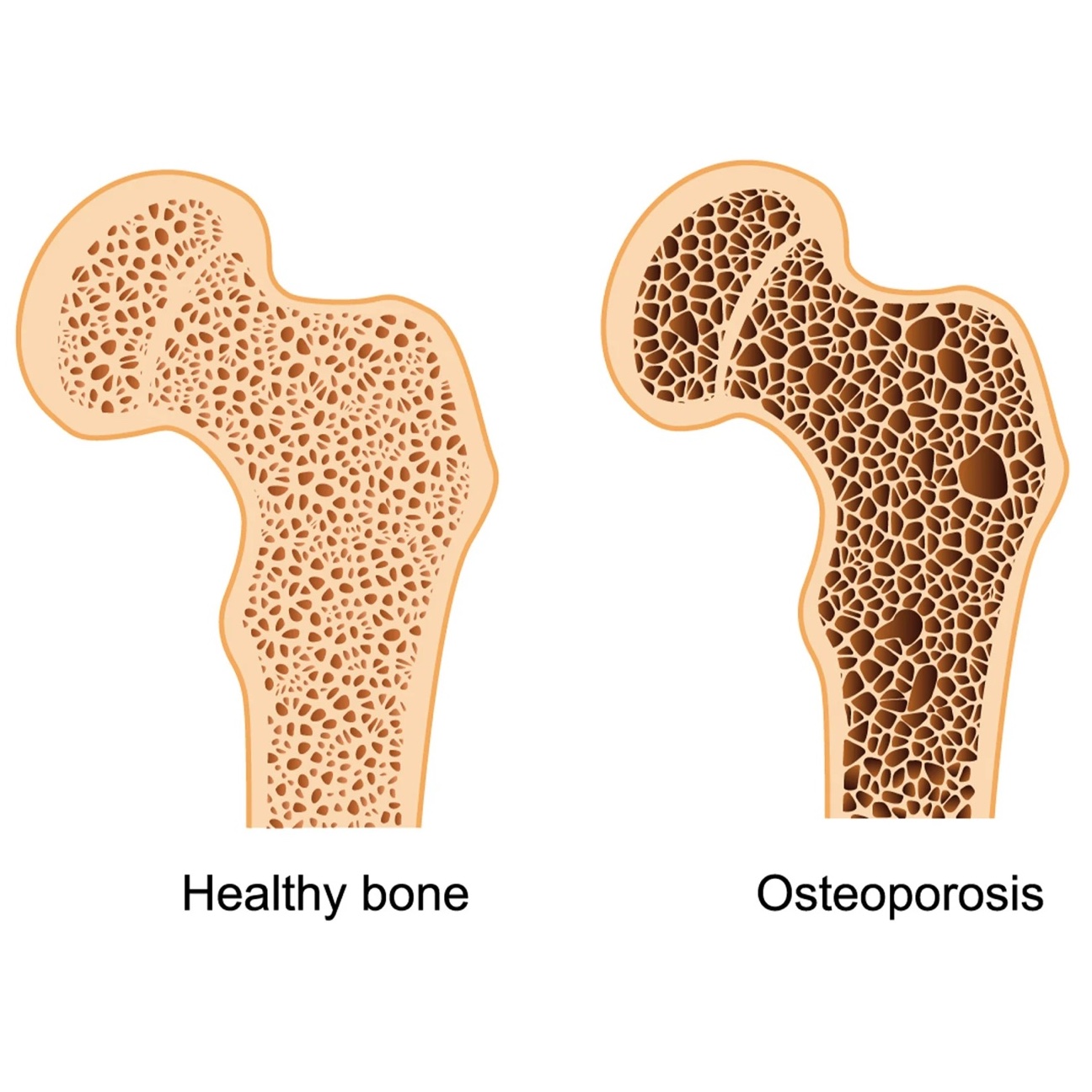
Osteoporosis
Goal: Increase Bone Mineral Density (BMD)
How: High-load mechanical loading to trigger osteoblast activity and reinforce skeletal integrity.
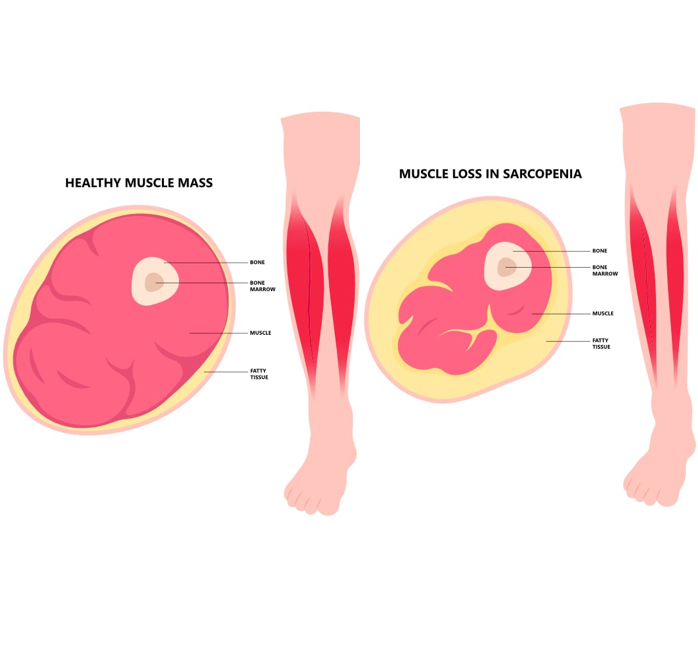
Sarcopenia
Goal: Reverse age-related muscle loss
How: Hypertrophy-focused resistance training to combat anabolic resistance and restore metabolic health.
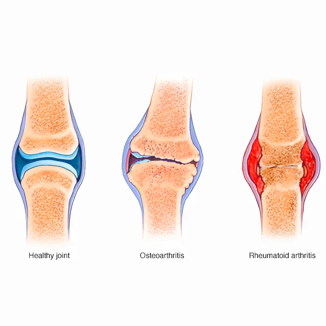
Arthritis
Goal: Joint preservation and pain management
How: Controlled loading to improve joint lubrication and the shock-absorbing capacity of supporting muscles.
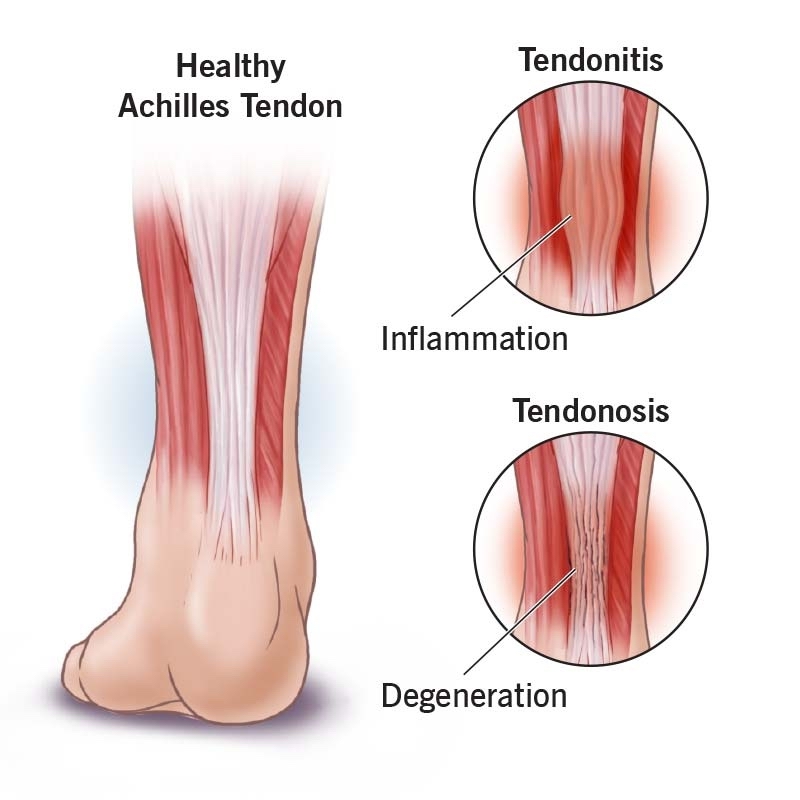
Tendinopathies
Goal: Restore collagen stiffness
How: Heavy slow resistance training to manage mechanical stress and reduce chronic tendon discomfort.
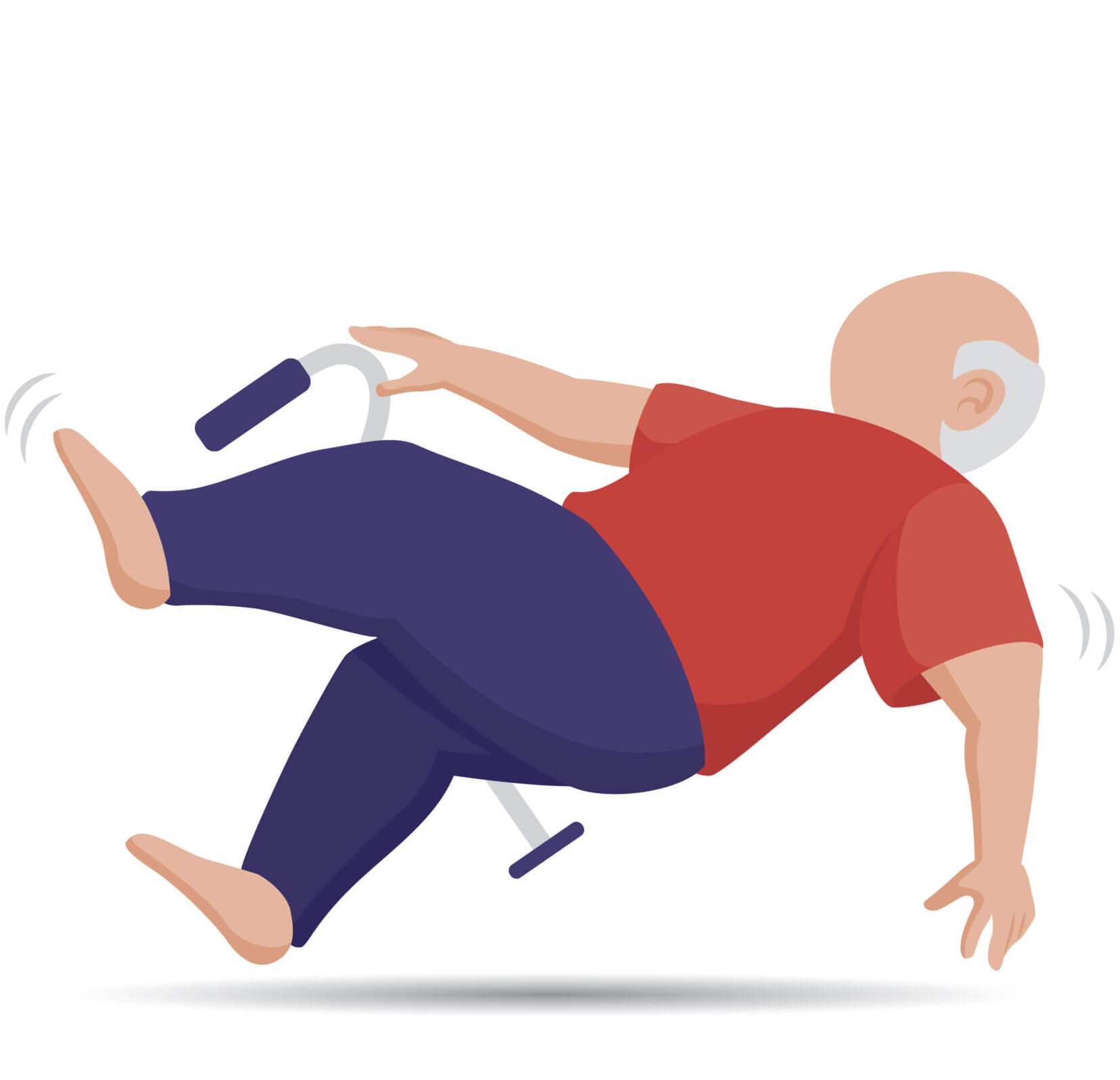
Fall & Frailty
Goal: Prevent fall-related injuries
How: Reactive balance training and lower-limb power development to ensure permanent stability.
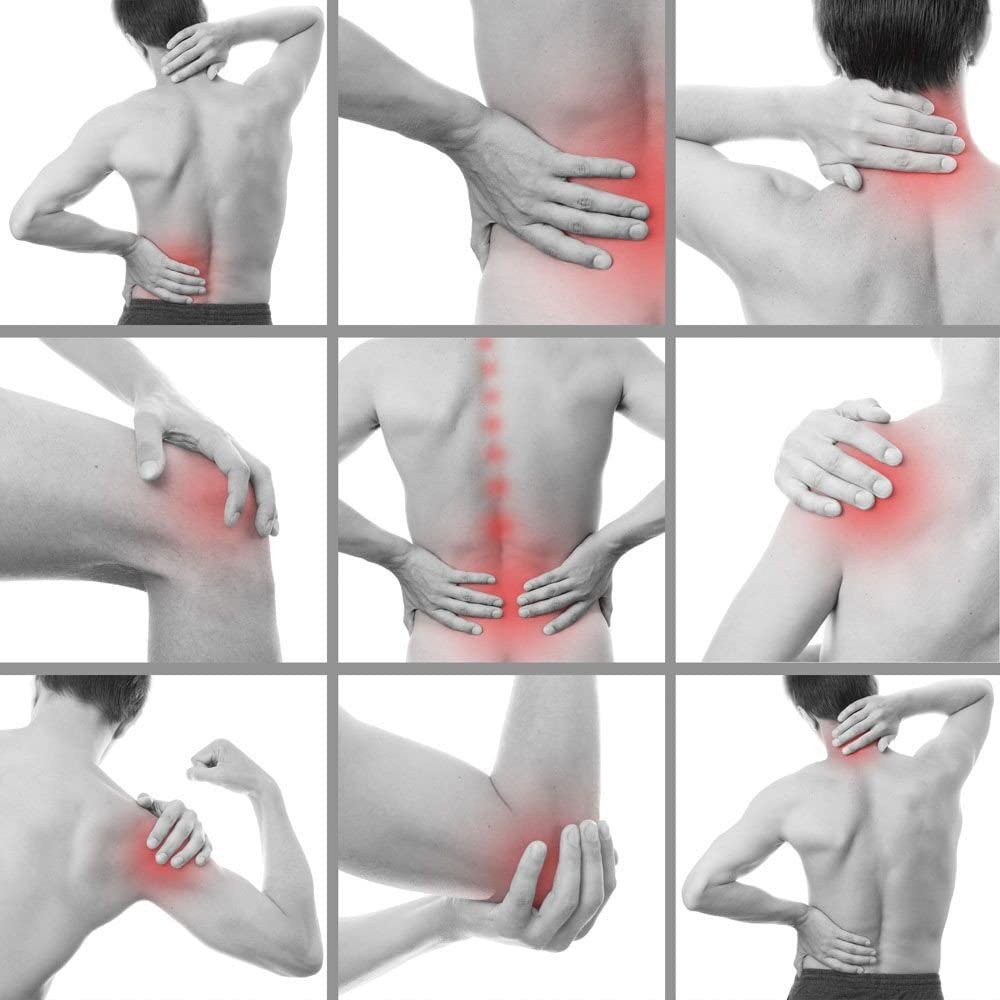
Musculoskeletal Pain
Goal: Desensitise the nervous system
How: Graded exposure to movement and education to break the cycle of chronic pain and kinesiophobia.
Longevity Pathways: Exercise-Based Recovery
Evidence-Based Solutions for Active Ageing
Musculoskeletal
Chiropractor
Addressing chronic pain and joint stiffness through progressive loading. We utilise targeted exercise to build the physical capacity you need to maintain your daily activities without dependency on temporary relief.
Clinical
Pilates
Improving balance and motor control. This approach focuses on core stability and graceful movement, ensuring your body remains steady and resilient against the risk of falls or fragility.
Strength and
Conditioning
The ultimate defense against Osteoporosis and Sarcopenia. High-level strength training builds the bone density and muscle mass required to outlast your chronological age.
Expectations for Longevity
Biological adaptation takes time. Our protocol respects the physiological pace of tissue remodelling to ensure permanent results.
Muscle & Strength
Hypertrophic Shift
Overcoming anabolic resistance requires consistency. Significant gains in muscle mass and metabolic power typically materialise at the 12-week mark after sustained mechanical loading.
Tendon Resilience
Collagen Turnover
Tendons have notoriously poor blood supply compared to muscle. Remodelling chronic tendinopathies safely takes 4 to 6 months for new collagen synthesis to ensure the new tissue is stiff and resilient.
Bone Health
Osteogenic Loading
Bone mineral density improves at a slower pace. It typically takes 12 months of gradual- to high-intensity loading to see measurable improvements in bone health and structural robustness.
Note: These physiological milestones are based on clinical data for older adults. Individual progress varies based on baseline health and consistency.
The Longevity Recovery Matrix
We track functional markers that correlate with independence. Recovery isn’t just about less pain; it’s about restoring the physical “reserve” required for daily life.
Pushing Power
Ability to push up from a seated position or floor safely.
Squat Depth
Lower limb strength to maintain mobility and toilet independence.
Carrying Load
Tracking grip and core stability while moving heavy groceries.
Balance Stability
Single-leg stability time to significantly reduce fall risk.
Endurance
Measuring your walking speed and total daily step capacity.
Why Functional Testing Matters
Push-Up Capacity
Upper body pushing strength is a key marker of musculoskeletal health. We track your progress from an inclined push-up to a full floor push-up to ensure your joints can protect you during a fall.
Squatting & Independence
Sarcopenia often hits the legs first. We monitor squat mechanics and loading to ensure your lower body stays strong enough to handle stairs and independent travel across Singapore.
Active Balance Control
Balance is not just about standing still. It’s about “reactive” stability. We measure how quickly your muscles fire to catch yourself, bridging the gap between clinical rehab and real-world safety.
Clinical Note: Objective data removes the guesswork. By measuring these specific benchmarks, we ensure your recovery is grounded in physical capacity rather than just temporary pain relief.
The Evidence Gap
Why Strength Training Beats Tai Chi & Stretching
While excellent for balance and mindfulness, Tai Chi lacks the high-intensity load required to reverse muscle loss (Sarcopenia) or build bone density. To stay robust, your muscles need resistance that exceeds daily activity.
Stretching can help slow down the loss of range of motion, but it is not intense enough to restore what has already been lost. Only progressive loading can remodel stiff tissues and physically “stiffen” the joint for better support.
Low-intensity movements often lead to “under-loading.” Without high-fidelity strength training, the body continues its natural path toward fragility, regardless of how flexible you might feel.
Your Journey to Permanent Resilience
Longevity Audit
We review your medical history and current lifestyle to understand your goals—from maintaining independent travel to playing with grandchildren without pain.
Baseline Testing
Objective assessment of your muscle strength, joint health, and balance. We find your safe “entry point” for loading to ensure you progress without injury.
Reserve Building
Implementing the SQ1 Protocol to stimulate tissue remodelling. We focus on building the physical reserve your body needs to outlast the ageing process.
Independence
Mastering self-management. You’ll leave with the tools and confidence to maintain your own strength, balance, and freedom for the long term.

The Founder
Jesse Cai
Jesse Cai is a published chiropractor and active recovery specialist with a mission to reduce your dependency on unnecessary treatments. Since founding Square One in 2018, Jesse has focused on the intersection of movement science and the mind-body connection—a journey informed by his previous enrollment in the Master of Science in Applied Gerontology at Nanyang Technological University and his current pursuit of a third degree in Psychology.
As a Certified Solution-Focused Coach and contributing author to Solution-Focused Practice in Asia (Routledge, 2021), Jesse moves beyond temporary relief. By combining evidence-based psychological frameworks with clinical expertise, he helps older adults navigate chronic pain and sedentary challenges. His goal is to help you build the physical robustness and mental clarity needed to graduate from treatment and master your own long-term mechanical independence.
Evidence-Based
Solution-Focused

Did You Know?
Exercise can reverse ageing!
Recent research indicates that biological ageing isn’t a one-way street. In fact, just eight weeks of structured physical training has been shown to decrease DNA methylation age by up to two years in sedentary individuals. This means movement doesn’t just make you feel or perform better, it literally rewinds your biological clock!
Biological Age
Measured by cellular markers that reflect the actual “wear and tear” on your DNA.
The Reset
Specific, controlled loading triggers a systemic rejuvenation of tissue health.
We don’t just treat symptoms — we help you reclaim your reserve capacity for a longer, more active life.
Choosing Your Recovery Strategy
Building physical reserve to protect your independence.
Strategically loading muscles to reverse Sarcopenia and ensure you maintain the strength to lift, reach, and carry.
Using weight-bearing stimulus to strengthen bone tissue and reduce the risk of fragility fractures.
Stability drills to improve coordination, helping you stay steady on your feet and react quickly to unsteadiness.
Restoring movement range so you can manage overhead tasks and personal care with ease and confidence.
Should be weighed against long-term tissue health and recovery time.
Temporary pain relief. Repeated use may compromise tendon integrity and weaken bone density locally.
Decompression surgery. Research shows little long-term benefit over exercise (and even placebo) for age-related wear and tear.
Surgical repairs still require 6–12 months of intensive strength rehab after for best results.
A major procedure for advanced arthritis. Results are often best if exercise therapy is performed before surgery (prehab).
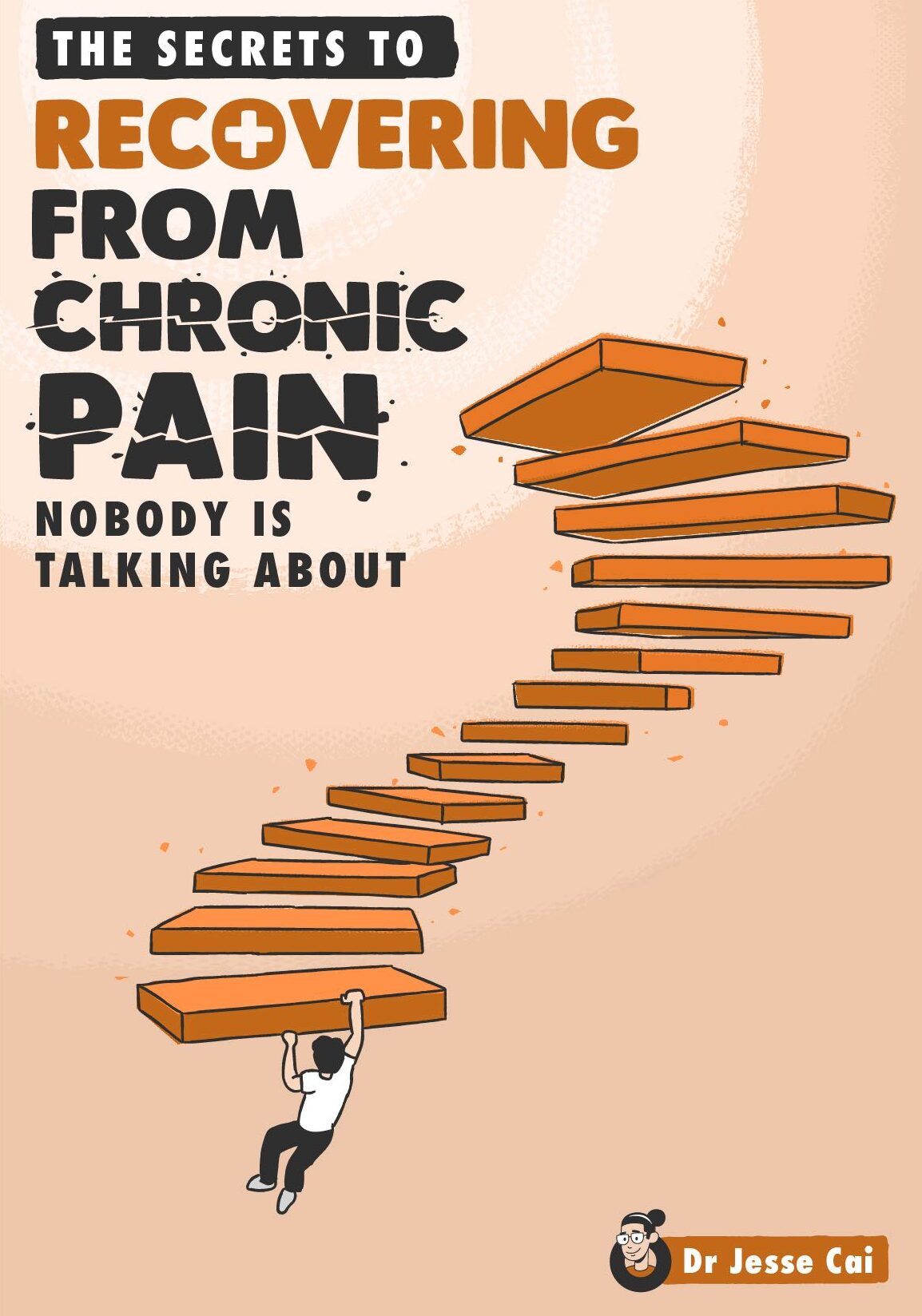
FREE GUIDE: PROTECTING YOUR INDEPENDENCE THROUGH STRENGTH
Learn why stretching alone isn’t enough to stop age-related decline. Discover how to rebuild your “physical reserve” to stay active, avoid surgery, and maintain your freedom for years to come. Enter your details below and we will email your copy within 24 hours.
PRESERVE YOUR INDEPENDENCE
The Square One Difference
Perfect for those who…
- ✔ Want to stop the “maintenance cycle” of weekly rubs or adjustments.
- ✔ Have been told “it’s just old age” but refuse to accept physical decline.
- ✔ Want to travel, lift grandchildren, and handle daily tasks without fear.
- ✔ Value a scientific approach that builds lasting strength over “quick fixes.”
What to expect…
- ★ Self-Reliance: Gain the skills to manage your own physical health.
- ★ Confidence: Moving past the fear of “breaking” something or falling.
- ★ Robustness: A body that is objectively stronger and more resilient than before.
- ★ Longevity: Maintaining your freedom for the next 20 to 30 years.
Our mission is to reduce your dependency on unnecessary treatments and ensure you stay active, capable, and independent.
ACTIVE AGEING FAQ
Is this safe for someone my age? I'm worried about injury.
Safety is our primary concern. We use objective testing to find your exact “entry point.” We don’t just guess — we measure. By starting with loads your body can handle and progressing gradually, we build your tissues up rather than wearing them down. This is significantly safer than remaining sedentary, which leads to frailty.
My doctor says I have 'wear and tear'. Can exercise really help?
“Wear and tear” is a normal part of ageing, much like grey hair. Modern research shows that even with arthritis or “worn” joints, building the surrounding muscle mass (your physical reserve) can significantly reduce pain and improve function. You don’t need a “perfect” scan to have a high-functioning body.
Will I be expected to lift heavy weights like a bodybuilder?
Not at all. “Heavy” is relative to you. For some, it’s a suitcase; for others, it’s a grandchild. Our goal is to make sure you are strong enough for *your* lifestyle. We use evidence-based resistance training because it is the only way to reverse muscle loss (Sarcopenia) and keep your bones strong. You won’t be asked to lift more than you need.
How is this different from regular physiotherapy or massage?
Massage and passive treatments focus on making you feel better for a few days. We focus on making you *be* better for years. Instead of just “fixing” a symptom, we address the underlying loss of capacity that caused the issue. We want to make you redundant to the healthcare system, not dependent on it.
Do I need to see a surgeon first if I have a rotator cuff tear?
Many seniors have rotator cuff tears without even knowing it. Unless there is a sudden, traumatic injury that requires immediate repair, a 12-week progressive loading programme can be just as effective as surgery but without the risks and long recovery times associated with operations.
READY TO INVEST IN YOUR FUTURE FREEDOM?
Stop managing ageing and start mastering your mobility.
Don’t let “wear and tear” dictate your lifestyle. Our active recovery protocol provides the roadmap to a robust, independent, and pain-free retirement.
Evidence-based practice • Singapore • No referral required