
Living with low back pain in Singapore is incredibly draining. Whether it’s an ache that flares up after sitting through a long corporate meeting in the CBD, or sharp pains that stop you from enjoying your weekend workouts, you just want a solution that works.
When spinal pain becomes chronic, it is completely natural to look for quick relief. Often, this leads patients down a path of medical interventions such as injections and nerve ablations. These treatments offer to “zap” or “numb” the pain away.
However, the latest medical research has completely flipped the script on how we should treat back pain. A comprehensive clinical practice guideline recently published in the prestigious British Medical Journal (BMJ) has issued strong recommendations AGAINST six common spinal procedures and injections for low back pain and radicular pain (sciatica). If you are currently considering these treatments at a Singapore clinic, here is what the latest research says, and why a rehab- and exercise-based chiropractic approach is the sustainable solution you actually need.
The 6 Low Back Pain Treatments Research Says to Avoid
When a world-renowned medical journal issues a strong recommendation against a treatment, it means the evidence shows the potential harms, costs, and lack of long-term benefits heavily outweigh any temporary relief.
Orthopaedic specialists and pain management clinics frequently offer these procedures because they provide an immediate, localised medical intervention. On an MRI scan, a specific joint or nerve might look “inflamed” or “compressed,” so the medical instinct is to target that exact spot with a needle or heat to block the pain signal. While this makes sense on paper, the latest clinical evidence shows it doesn’t translate to long-term recovery.
According to the BMJ guidelines, if you are suffering from chronic low back pain or radicular spine pain (pain radiating down the leg) lasting 3 months or more, the expert panel strongly recommends against the following 6 interventions:
| Prohibited Medical Intervention | Target Anatomy / Injection Site |
|---|---|
| 1. Joint Radiofrequency Ablation (RFA) | Spinal nerves (medial branches) |
| 2. Epidural Injections (Local Anaesthetic + Steroids) | Space surrounding the spinal cord |
| 3. Joint-Targeted Injections (Facet Injections) | Joint capsule |
| 4. Intramuscular Injections | Deep lumbar paraspinal muscles (QL / Erector Spinae) |
| 5. Dorsal Root Ganglion (DRG) Radiofrequency | Nerve root |
| 6. Epidural Injections for Radicular Pain | Transforaminal / interlaminar epidural space |
An In-Depth Look at the Blacklisted Interventions
To understand why these treatments are failing clinical trials, we have to look closely at what they do, and why orthopaedic clinics continue to prescribe them anyway.
1. Joint Radiofrequency Ablation (RFA)
What it is: This procedure uses radio waves to generate heat and intentionally burn or “cook” the tiny nerve endings (facet rhizotomy) that send pain signals from your spinal joints to your brain. It is often combined with a local anaesthetic or steroid injection to numb the area first.
Why orthopaedics offer it: If an orthopaedic doctor suspects your pain is coming strictly from wear-and-tear in the facet joints of the spine, RFA is offered as a way to physically “turn off” the alarm system. The logic is simple: if the nerve is destroyed, you won’t feel the pain. However, these nerves can eventually grow back. Destroying them does nothing to fix why those joints were overloaded and painful in the first place.
2. Epidural Injections (Local Anaesthetic + Steroids)
What it is: A doctor inserts a long needle into the epidural space (the fluid-filled area surrounding your spinal cord) and nerve roots to deliver a powerful cocktail of anti-inflammatory steroid medication and numbing agents.
Why orthopaedics offer it: It is a very common go-to for rapid pain relief. Orthopaedic specialists use it to “flush” the spinal canal with anti-inflammatories, hoping to calm down widespread irritation. Because it can provide a few weeks or months of numbness, it is often used as a temporary window to get a patient through severe pain, but science now confirms it lacks any lasting therapeutic value for chronic mechanical back pain.
3. Joint-Targeted Injections (Facet Joint Injections)
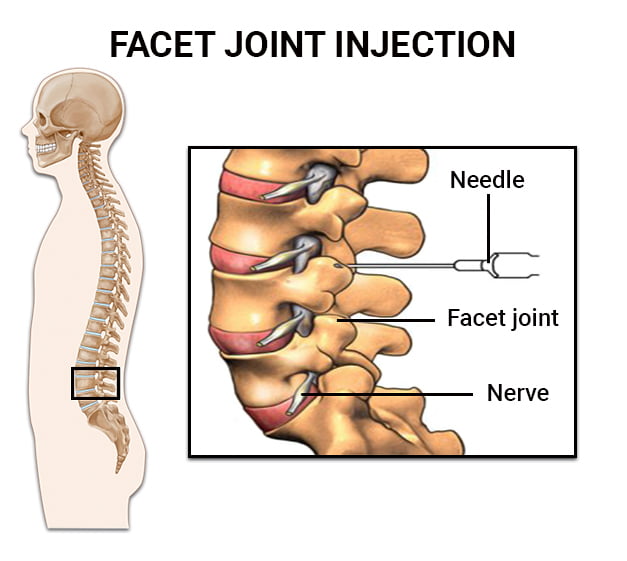
What it is: Unlike an epidural, which targets the space around the spinal cord, this procedure injects a mixture of steroids and local anaesthetics directly into the capsule of a specific facet joint (the joints that connect your vertebrae).
Why orthopaedics offer it: When an MRI shows arthritis, inflammation, or degeneration in a specific spinal joint, specialists use these injections to target that exact “hotspot.” It is often used both as a diagnostic tool (to see if the pain stops when that joint is numbed) and a treatment to reduce localised swelling. Unfortunately, the relief is fleeting, and repeated steroid injections can actually degrade joint tissue over time.
4. Intramuscular Injections
What it is: This involves injecting local anaesthetics, steroids, or anti-inflammatory drugs directly into the thick muscles of the lower back (such as the quadratus lumborum or erector spinae) that feel tight, knotted, or painful.
Why orthopaedics offer it: When back pain strikes, the surrounding muscles often go into a protective spasm, feeling rock-hard and incredibly tender. Specialists offer these injections to force the muscle tissue to chemically relax and block local pain receptors, treating the spasm like a severe, localised muscle knot. However, muscle tightness is usually a reaction to a lack of spinal stability or strength, not the root cause itself.
5. Dorsal Root Ganglion (DRG) Radiofrequency
What it is: The dorsal root ganglion is a cluster of nerve cells just outside the spinal cord that acts like a traffic hub for pain signals traveling from your leg to your brain. This procedure applies targeted radiofrequency energy (heat or electrical pulses) directly to this hub to disrupt its ability to transmit chronic shooting pain, sometimes paired with a steroid injection.
Why orthopaedics offer it: For patients with severe, chronic sciatica where pain shoots down the leg, the DRG is seen as the ultimate “gatekeeper” of that pain. Orthopaedic and pain specialists offer this high-tech procedure to specifically target the nerve pathway responsible for radiating pain when traditional epidurals fail. Despite the advanced technology, the BMJ found the long-term outcomes do not justify the procedure.
6. Epidural Injections for Radicular Pain
What it is: This is the delivery of steroids and anaesthetics into the epidural space specifically targeted at a compressed or irritated nerve root that is causing pain, numbness, or tingling to travel down the leg (sciatica).
Why orthopaedics offer it: When an MRI shows a slipped or herniated disc pressing directly on a spinal nerve, orthopaedic doctors offer this injection to radically reduce the inflammation around that specific nerve root. The goal is to shrink the swelling so the nerve stops sending shooting pains down the leg. While it can offer short-term crisis management, the research shows it does not accelerate actual long-term healing or prevent the need for future interventions.
Why Are These Popular Treatments Being Rejected?
For years, these injections and procedures have been marketed as standard care in Singapore. They sound high-tech and effective. So, why is the research telling us to stop?
They are passive “band-aids”: Injections do nothing to change how your back moves, how your muscles support your spine, or how your body handles load.
At best, numbing agents or steroids offer short-term relief. When they wear off, the underlying mechanical issue remains. For chronic low back pain, the duration of relief is far too short to be clinically meaningful. Furthermore, these invasive procedures carry distinct long-term risks of accelerated osteoarthritis, infection, nerve damage, and tissue degradation—all while accumulating massive financial costs for the patient.
Rehab & Exercise-Based Chiropractor as the Sustainable Alternative
If injections and ablations are off the table, what should you do?
The human spine is robust, resilient, and designed to move. It doesn’t need to be chemically numbed. It needs to be functionally supported! This is exactly where an exercise-based, rehabilitation-focused chiropractor comes in.
1. Addressing the Root Cause, Not Just the Symptom
Traditional chiropractic care often focuses solely on passive adjustments (cracking the back). While this can feel good temporarily, it shares the same flaw as injections because it is also completely passive.
An exercise-based chiropractor focuses on active recovery. Rather than offering basic physio exercises or generic workouts, we combine clinical expertise with targeted rehabilitation. We look at your movement patterns, tissue tolerance, and load capacity. By integrating specialised modalities like clinical pilates for core stabilisation and dynamic motor control, we identify why your back is overloaded and fix the structural mechanics driving the pain.
2. Building Long-Term Spinal Resilience
Your back pain won’t return if your spine is strong and robust enough to handle your daily life. Through progressive rehabilitation and targeted strength training, we gradually expose your body to load. This builds stronger muscles, tougher tendons, and a more resilient spine that can handle sitting, lifting, and running without flaring up.
We also offer the option of personal training for clients looking to focus more on healthy ageing, longevity, and maintaining peak physical function later in life. As we age, our bodies can experience sarcopenia (gradual loss of muscle mass) and osteoporosis (reduction in bone density). This makes the spine and joints more vulnerable to wear-and-tear and chronic pain.
Through a structured, longevity-focused personal training program, we prioritise building full-body strength, improving balance, and enhancing functional mobility. Instead of merely treating existing back pain, this proactive approach acts as a long-term insurance policy for your physical health. It ensures you preserve your independence, protect your bone health, and maintain the capacity to enjoy active hobbies, travel, and keep up with family life completely pain-free as you get older.
3. Giving You Control Back
When you rely on injections, you are dependent on a doctor to fix you. When you engage in a rehab-based chiropractic program, you become the active agent in your own recovery. You learn how to move safely, how to manage minor flare-ups independently, and how to keep your body pain-free for the long haul.
Supporting Long-Term Recovery in Singapore
Low back pain is one of the leading causes of disability and missed workdays in Singapore. Finding evidence-based, active interventions that allow individuals to self-manage their symptoms is crucial for long-term health span.
If you’ve been told that your only options left are expensive spinal injections or invasive nerve ablations, it’s time to seek a second opinion rooted in the latest scientific research.
At Square One Active Recovery, we build structured, progressive exercise programs that respect your body’s physiology. Our goal is to empower you through evidence-based exercise rehabilitation, helping you find permanent relief from low back pain so you can live life on your own terms. You can visit us at Hong Lim Complex, located just a two-minute walk from Chinatown MRT, to start your active recovery journey.
Key Takeaways for Your Recovery
Bringing this scientific research into your back pain recovery strategy, here is how you should approach your treatment:
-
1
Bypass temporary medical band-aids. The BMJ guidelines strongly recommend against 6 common injections and ablations due to lack of long-term therapeutic value and real structural risks.
-
2
Shift focus from passive to active care. Neither cortisone needles nor traditional spine cracking address why your back is overloaded. True healing requires physical mechanical adaptation.
-
3
Build structural spinal resilience. Progressive resistance, loading, and evidence-based exercise rehabilitation allow you to reclaim ownership of your movement and keep pain from returning.
“`

