
If you have ever caught yourself sitting at your desk, aggressively rolling your head in circles to get rid of a stiff neck, you are not alone. It is a common instinct to try and stretch away the discomfort of a long workday. But when it comes to true recovery, is neck circumduction (the full rolling motion of the head) actually helping your neck pain?
The short answer is no. While it might feel like you are doing something productive, full neck rotations are not an effective solution for acute or chronic neck pain.
Here is a breakdown of why this popular stretch falls short for pain relief, when you should actually be doing it, and why working with an exercise based chiropractor in Singapore to build a rehabilitation programme is the sustainable solution for neck aches and soreness.
| Cervical Movement | Action Description |
|---|---|
| Forward Flexion and Extension | Looking forward and down, or tilting backward to look up. |
| Lateral Flexion | Bending your ear down toward your shoulder. |
| Rotation | Turning your head from side to side to check a blind spot. |
| Circumduction | A highly complex movement forcing the neck through all planes of motion simultaneously. |
The Biomechanics of the Roll
Notice that a full 360 degree head roll is a combination of all primary movements. When your neck is healthy, this is not an issue. But when you are dealing with an injury, stiffness, or chronic pain, forcing your cervical spine through complex, multi planar movements can sometimes aggravate the existing injury.
What Happens During End Range
To understand the potential for aggravation, think about what happens at the end range of a neck rotation. As you roll your head deep to the right side, you are effectively stretching the muscles on the opposite (contralateral) side of your neck. At the exact same time however, you are heavily compressing the joints (such as the facet joints) on the same (ipsilateral) side.
If your neck pain is stemming from joint irritation or instability, grinding those joints together through a compressed, end range circle is a fast track to a flare up.
Does This Mean Neck Rotations Are Bad?
Not at all. Let us be clear: as an evidence based chiropractor, I can tell you that an anatomically complex movement does not equal a bad movement. If you do not have a pre existing neck injury, neck circumduction is a completely normal, healthy movement.
In fact, it serves as a fantastic warm up for the neck before exercising. The key to doing it safely is progression. Always start small. Begin with tiny, controlled circles and slowly go for a bigger rotation as your tissues warm up and adapt.
The Illusion of the Office Worker Stretch
If rolling the neck does not fix neck pain, why do so many office workers do it incessantly throughout the day? The answer comes down to the nervous system. Neck rotations can provide pain relief through virtue of movement. Moving an achy body part provides a neurological distraction that can offer immediate relief.
However, this relief is almost always transient. It feels better for five minutes, the stiffness creeps back in, and you find yourself rolling your neck all over again. Chasing this temporary relief is not a sustainable or effective recovery strategy. Relying on passive stretches to get through your workday will keep you trapped in the same cycle of discomfort.
How to Actually Fix Your Neck Pain
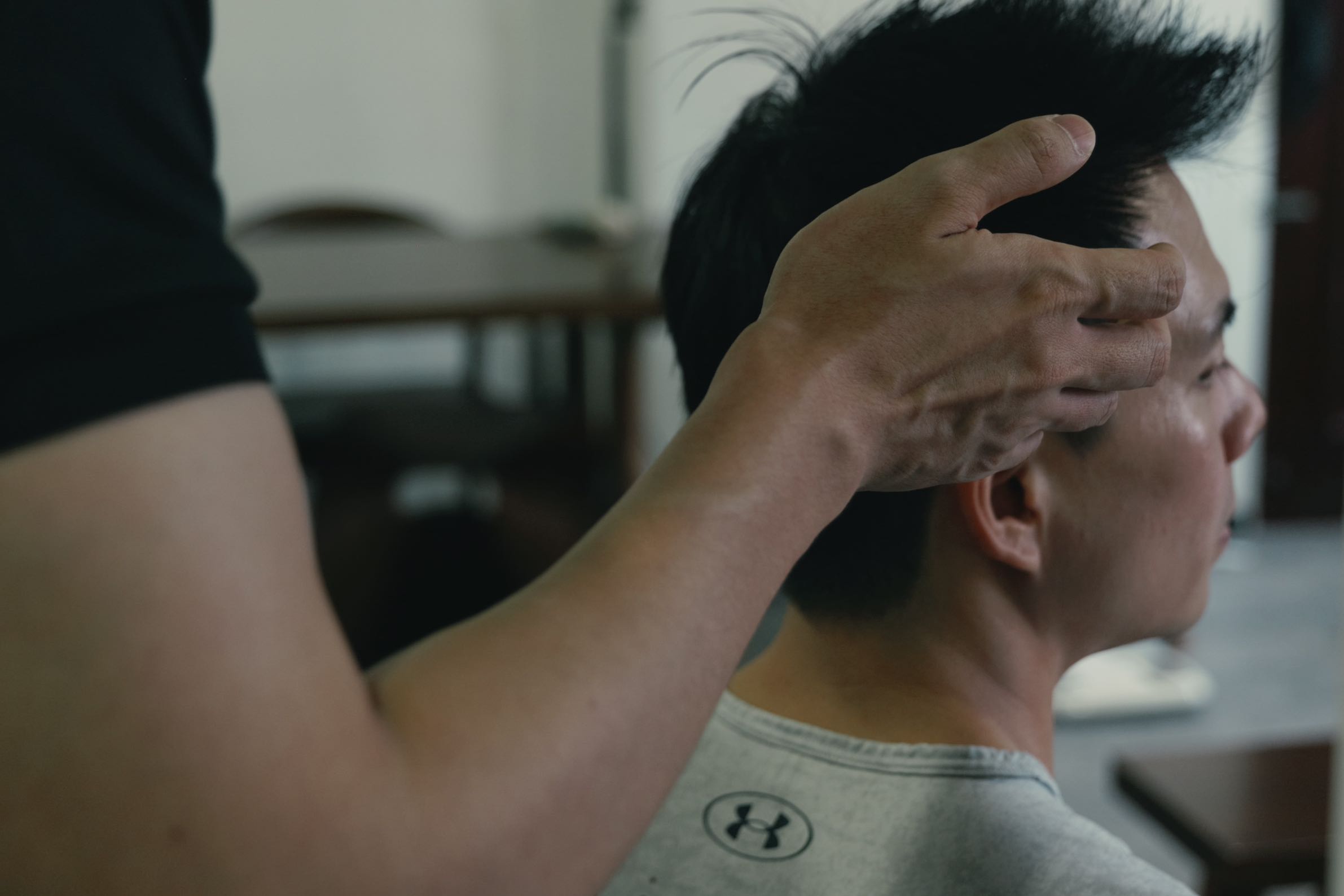
To get out of the loop of endless desk stretching, you need a targeted approach focused on active recovery. Consulting a rehab focused chiropractor allows you to stop guessing, get assessed, and identify the root cause of your pain.
At Square One Active Recovery, our Singapore chiropractor looks beyond the surface symptoms to address the true drivers of your discomfort. Is there joint instability? Do you have profound deep neck flexor weakness? Are you lacking the functional load capacity to support your head during a long day at the computer?
Once we identify the underlying deficits, we can help you programme a structured, strength based solution. Our goal is not just to give you temporary relief. Our goal is to build resilience, restore your independence, and make our services completely redundant to you. Reach out to our Hong Lim Complex clinic in Chinatown today, and let us help you address your issues and find true freedom from pain.
Key Takeaways for Your Recovery
Bringing this anatomical understanding into your neck pain recovery strategy, here is how you should approach your treatment:
-
1
Recognise the limits of stretching. Neck rotations offer transient relief through the virtue of movement, but they are not a sustainable recovery strategy for chronic pain.
-
2
Protect vulnerable joints. Complex, multi planar movements like circumduction can compress facet joints while stretching contralateral muscles, potentially aggravating an existing injury.
-
3
Build structural strength. True healing requires an active assessment to identify issues like deep neck flexor weakness, allowing you to programme an evidence based rehabilitation strategy.

