
EVIDENCE-BASED CHIROPRACTOR
Neck Pain Recovery in Singapore for Busy CBD Professionals
Neck pain in Singapore is often an occupational challenge. Between back-to-back video calls and the relentless load of a sedentary CBD lifestyle, your cervical spine is pushed beyond its capacity. At Square One, we look beyond the temporary “crack” to treat the system. By combining clinical movement analysis with progressive loading, we bridge the “tolerance gap” caused by modern desk work—building the cervical resilience you need to stay pain-free for a high-performance life.
Rated 5/5 stars 🌟 by 150+ Google reviews.
Book your assessment today!
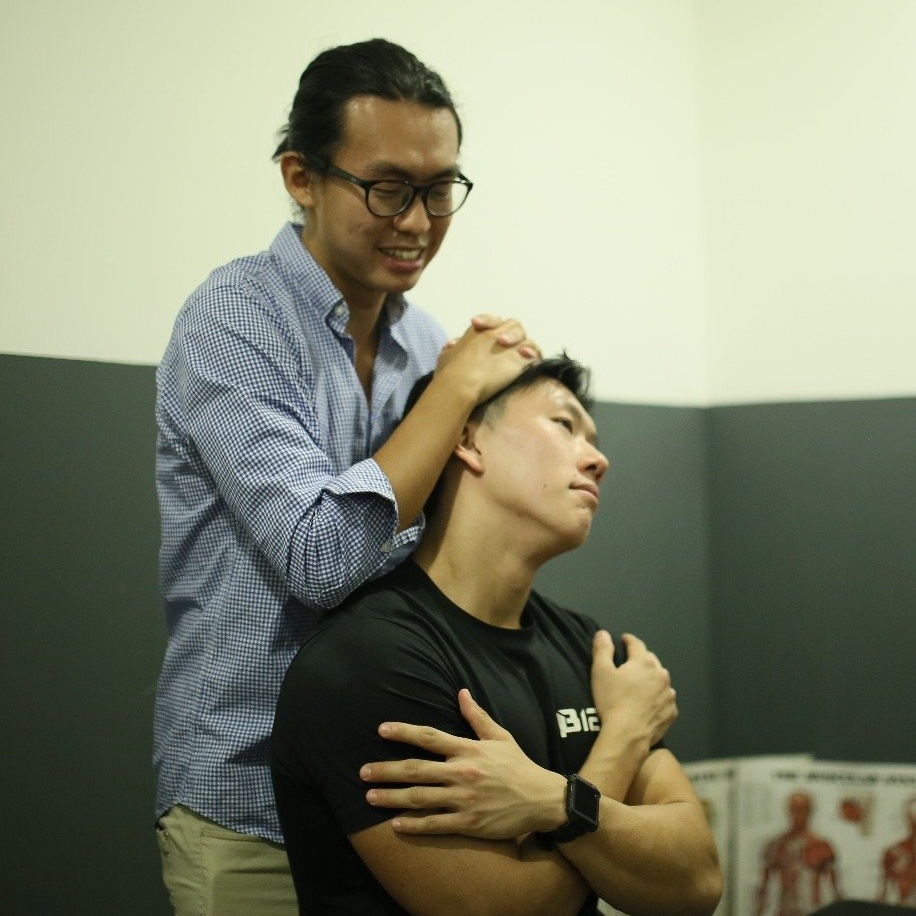
Common Cervical Presentations
Pinched Nerve
Sharp, shooting pain or “shocks” traveling down the arm to the fingers.
Cervicogenic Headaches
Dull aches starting at the base of the skull, often triggered by posture.
Tingling
Arm numbness or pins and needles that goes into the hands, often mistaken for carpal tunnel.
Chronic Stiffness
A persistent, heavy sensation in the upper traps and neck.
Acute Torticollis
Sudden muscle guarding that leaves the neck “locked” in one position.
Grip Weakness
Loss of power in the hands or difficulty with fine motor tasks.
CLINICAL PERSPECTIVE
WHAT IS NECK PAIN?
- •
A Deconditioning Problem: The cervical spine is built for movement but modern desk work imposes a static load that weakens the deep neck flexors. This deconditions the muscles responsible for stabilising your 5–6kg head against gravity.
- •
Not Just the Neck: Arm tingling plus hand numbness and headaches originating at the base of the skull are all referred symptoms of cervical dysfunction. If your fingers go numb at your desk your neck is often the culprit.
- •
A Sensitivity Issue: Chronic pain is often a sunburned nervous system rather than fresh tissue damage. This is why a gentle touch can sometimes feel like an assault when you are stressed because your nervous system is amplifying harmless signals into intense pain.
What Happens During a Visit
Consultation
We perform a thorough review of your health history, previous treatments, and individual recovery goals to tailor a strategy specific to you.
Evaluation
Our detailed clinical assessment includes biomechanical muscle testing and functional movement analysis to identify specific load imbalances.
Joint Mobility & ROM
Guided movements to release stiff joints and restore normal range of motion. Personalised home exercises are prescribed to help maintain progress.
Strength & Conditioning
Supervised exercises to strengthen targeted muscles and joints, actively reducing pain and preventing future relapses.
Clinical Evidence
The Science: Why Exercise Outperforms Passive Adjustments
Ample research demonstrates that exercise is superior to passive treatments like manual therapy and spinal manipulation. A 2024 meta-analysis published in the Journal of Orthopaedic Surgery and Research directly compared active exercise treatments to passive physiotherapy.
The study found that exercise delivered superior results for both pain reduction and functional improvement. The conclusion was unambiguous because active recovery is the gold standard for chronic neck pain.
From Recipient to Participant
While neck-specific exercise may seem equal to chiropractic adjustments in the short term, passive fixes often overlook the long term advantages of loading.
Exercise is empowerment-based because it promotes self-efficacy. It turns patients into active participants in their recovery rather than passive recipients of a temporary fix.

Building Your Muscular Buffer
Unlike spinal manipulation which often fosters clinical dependency, exercise-based rehabilitation equips you with exercise literacy. This involves building your physical capacity and having the practical know-how to manage your symptoms independently for life.
Progressive resistance training induces structural adaptations in connective tissues and improves motor control. This creates a protective buffer against the repetitive strain of modern office work.
By strengthening the deep cervical flexors and scapular stabilisers, you gain the capacity to handle demanding tasks. This paradigm shift from fixing a subluxation to training a movement pattern ensures your results are sustained long after your final session.
| Traditional Chiropractic | Square One | |
|---|---|---|
| Goal | ✕ Spinal alignment & relief | ✔ Long-term functional recovery |
| Tools | ✕ X-rays & passive therapies | ✔ Movement assessment & exercise |
| Philosophy | ✕ Correcting subluxations | ✔ Resilience through strength |
| Frequency | ✕ Multiple times per week | ✔ Goal-oriented (every 1-2 weeks) |
| Outcome | ✕ Passive, Temporary Relief | ✔ Active, Long-term Independence |
The Why
Root Causes of Chronic Neck Dysfunction
Flexor Endurance
Weak deep neck muscles force the superficial traps to overwork, leading to chronic tension.
Sedentary Lifestyle
Lack of movement causes poor nutrient exchange and accelerated degeneration in spine.
Ergonomics
Screens below eye level mean hours of forward head tilt, dramatically increasing cervical load.
Static Loading
It’s not “bad posture,” but rather staying in *any* posture for too long without movement.
Thoracic Mobility
A stiff mid-back forces the neck to over-rotate, increasing shear stress on cervical discs.
Central Sensitisation
Stress and anxiety amplify the pain signals sent to your neck, creating a loop of stiffness.
← Swipe to view all factors →
Market Intelligence
Why Singapore’s CBD Professionals Need This Now
Singapore Clinical Impact
Of office workers in Singapore are affected by musculoskeletal pain according to Singapore General Hospital data. This represents a significant portion of the local workforce requiring active management.
Global Burden of Disease
The Global Burden of Disease Study 2021 forecasts that neck pain cases will continue rising through 2050 with Singapore situated at the epicentre of this trend.
The Sedentary Gap
CBD professionals face 12 to 16 hour workdays in fixed positions. Data from The Sedentary Gap study highlights the lifestyle disparity between groups.
Smartphone Usage: Individuals with neck pain averaged 5.37 hours of daily use.
The Exercise Deficit: Those with neck pain exercised significantly less (2.69 hours/week) compared to pain-free individuals (4.11 hours/week).
Aligning with Healthier SG
Our approach mirrors the Healthier SG preventive care shift. We believe Singapore cannot sustain a dependency based model for musculoskeletal health.
By building physical capacity rather than just treating symptoms we help you meet the long term health goals set by the Ministry of Health.
Sources: GBD 2021 Neck Pain Collaborators (Lancet Rheumatology) plus Safiri et al 2024 (PubMed 38383088) plus Sedentary Gap Analysis 2024 (PubMed 39337202) plus Healthier SG Ministry of Health Singapore.
DIFFERENTIAL DIAGNOSIS
NECK CONDITIONS WE TREAT
At Square One Active Recovery, we don’t use a cookie-cutter approach. Neck pain is often just a symptom, not the root cause. We identify the underlying drivers of your discomfort to ensure long-term resilience.
A precise diagnosis is vital to move beyond temporary relief. By pinpointing your specific mechanical or lifestyle stressors, we transition you from pain management to building the physical capacity required for your life. Our SQ1 protocol gets you back to what matters: focusing at work without pain, competing in HYROX, or carrying your grandchildren with confidence.
Postural Adaptation
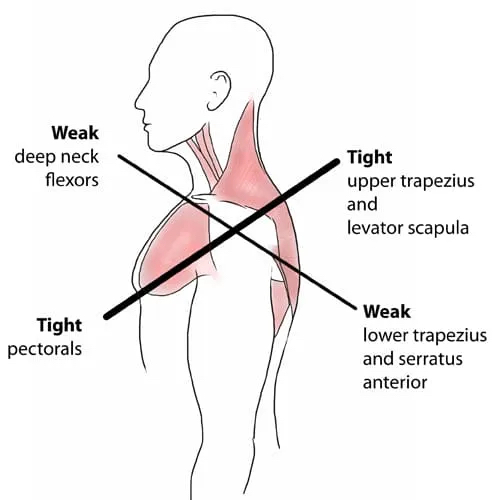
Tech Neck / Postural Pain
Goal: Eradicate persistent stiffness
How: Loading the posterior chain to increase capacity for sustained upright positions
Nerve Desensitisation
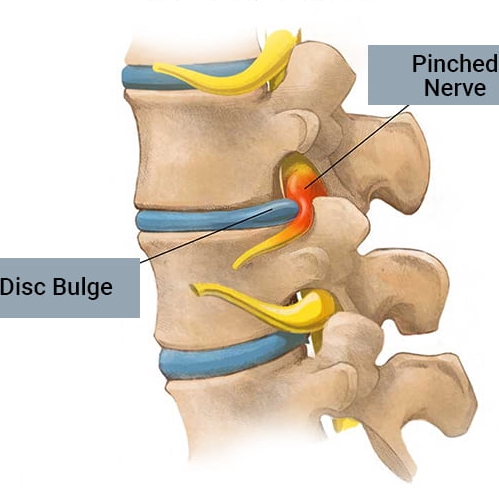
Disc HERNIATION & Radiculopathy
Goal: Eliminate radiating arm pain/numbness
How: Nerve flossing and targeted mechanical loading to facilitate nerve recovery
Structural Resilience
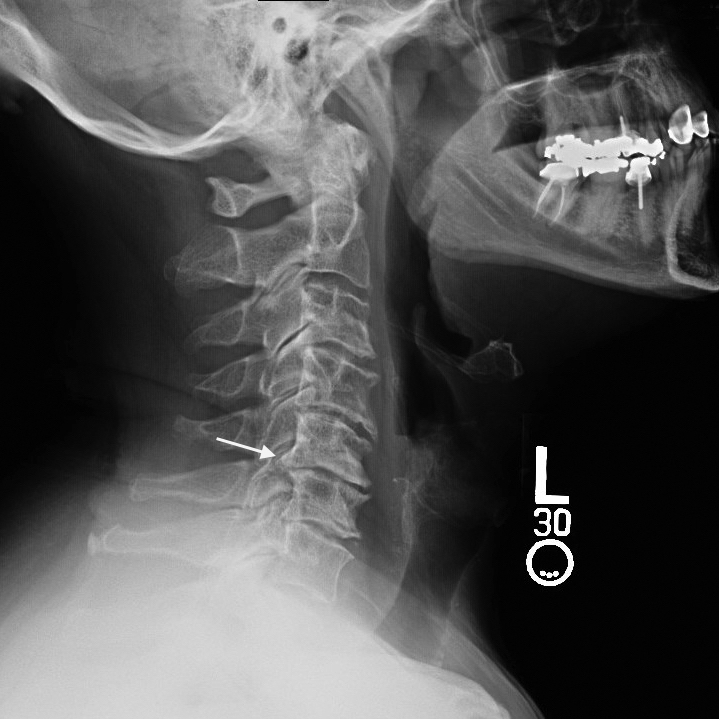
Spondylosis & Arthritis
Goal: Restore cervical range of motion
How: Progressive loading to improve joint health and prevent age-related decline
Headache Control
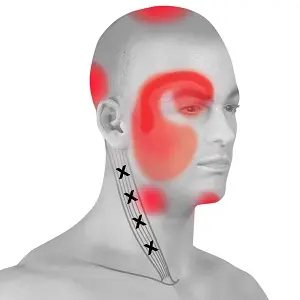
Cervicogenic Headache
Goal: Reduce frequency & intensity of episodes
How: Strengthening deep neck flexors to offload upper cervical segments
Trauma Recovery
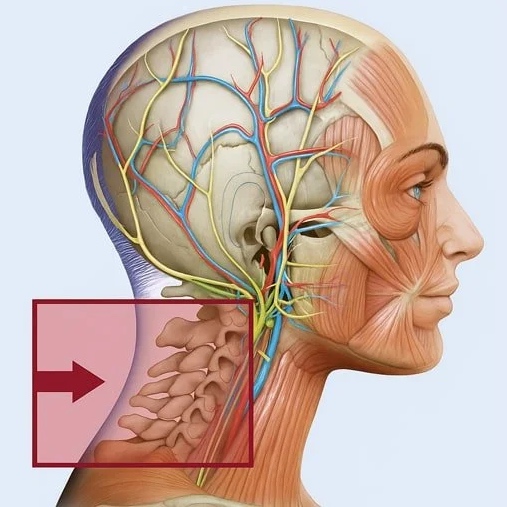
Whiplash-Associated Disorder
Goal: Resolve sensorimotor disturbances and neck stiffness
How: Graded loading and proprioceptive drills to restore cervical position sense
Outlet Decompression
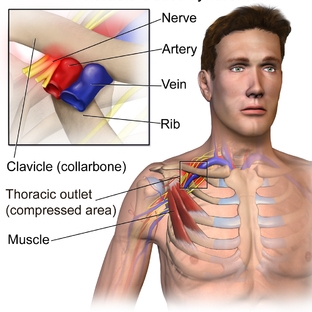
Thoracic Outlet Syndrome
Goal: Resolve arm tingling and improve neurovascular patency
How: Shoulder girdle recalibration to create space for the neurovascular bundle
Neck Treatments: Chiropractic Rehab & Clinical Pilates
EVIDENCE-BASED PAIN SOLUTION
Chiropractic
Rehabilitation
We utilise targeted exercises to desensitise the spine and rapidly reduce symptoms. By addressing foundational muscle and joint issues, we bridge the gap so you can transition to being exercise pain-free.
Clinical
Pilates
Refining motor control and spinal stability through a gentle exercise approach. This is the ideal entry point for patients in acute pain or those who prefer low-impact, technical movement.
Strength and
Conditioning
Once you are pain-free, strength and conditioning is your insurance policy. We build high-capacity tissue and structural robustness to prevent future pain episodes and relapses.
Advanced Rehabilitation Modalities
Inside the Studio: Equipment That Drives Results
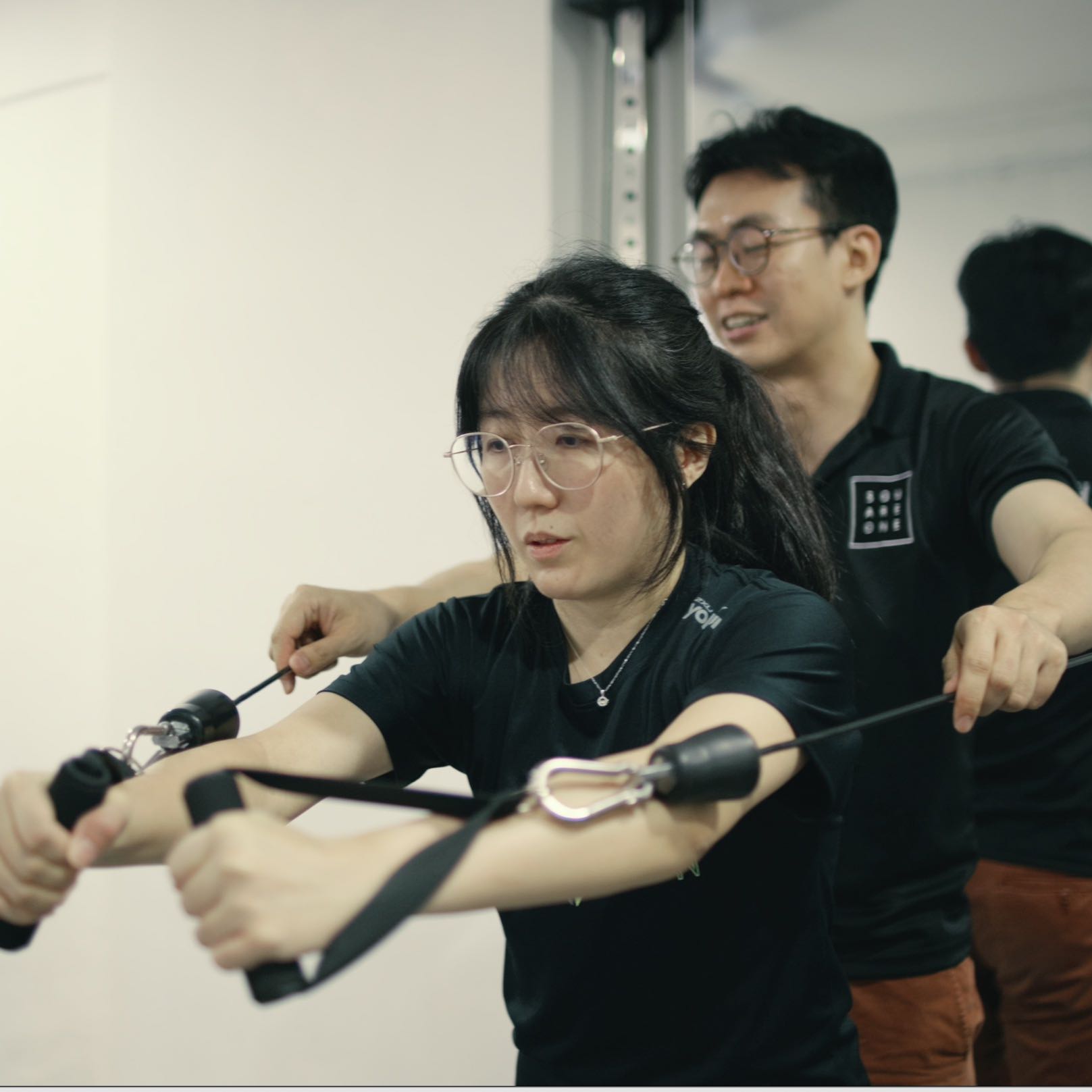
Most chiropractors only have an adjustment table. We have a complete rehabilitation studio designed specifically for active recovery. Research published in Frontiers in Neurology (2026) found that cervical spine stability training and comprehensive exercise programmes produce superior results for chronic neck pain compared to isolated stretching or manual therapy alone.
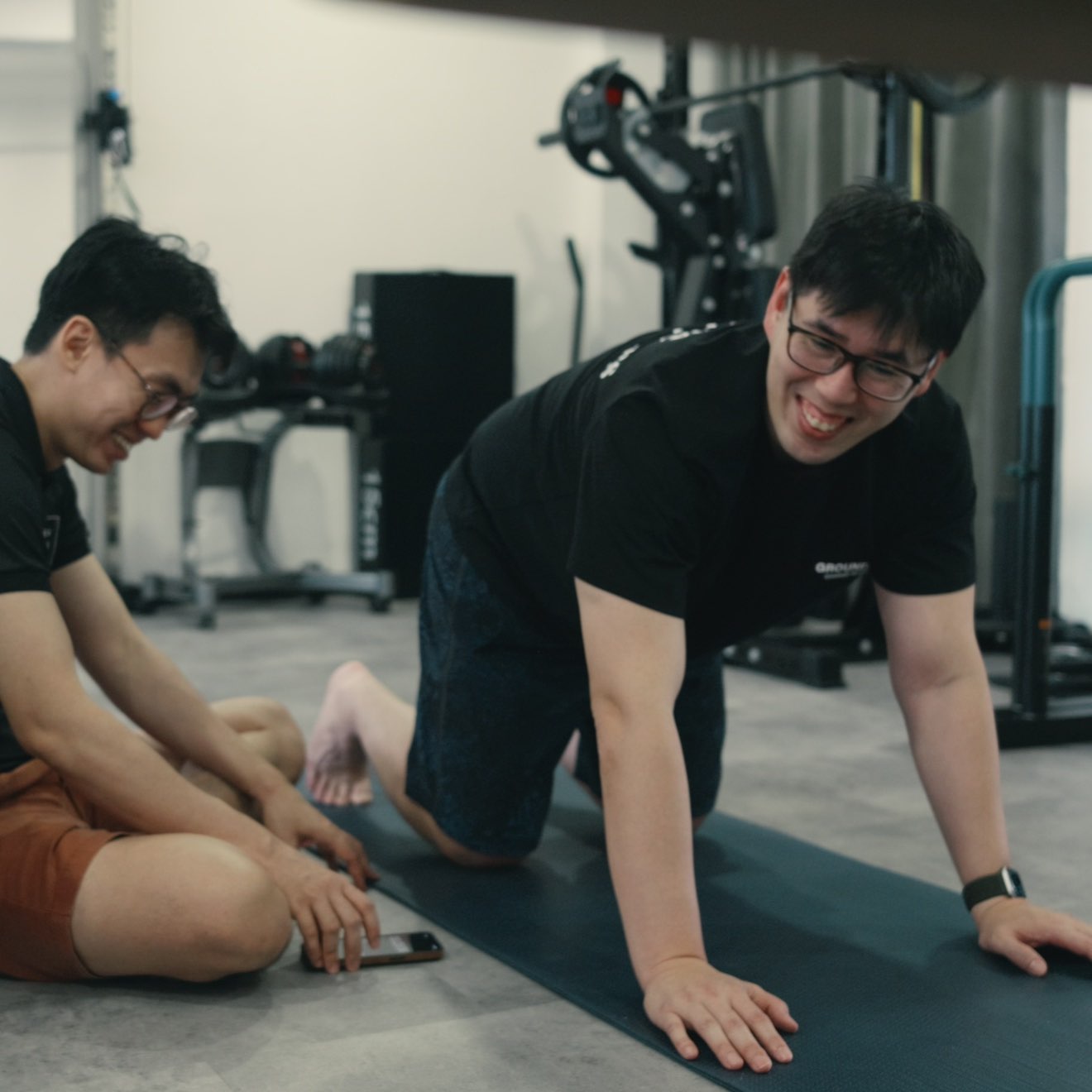
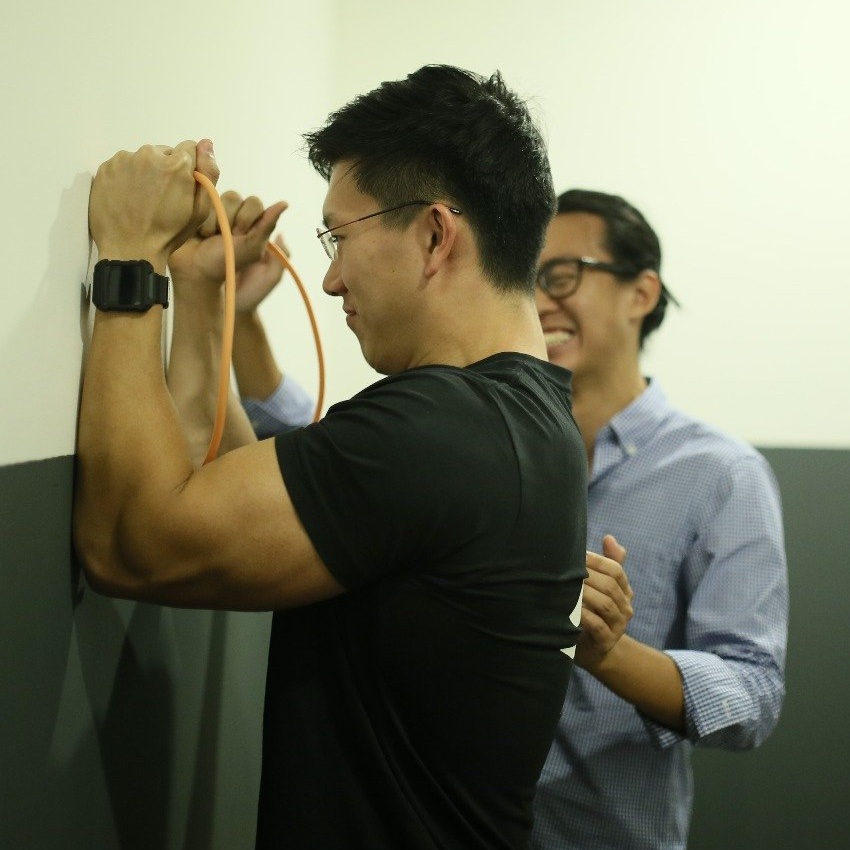
To achieve these results, we move beyond dogmatic, single-dimension exercise. We utilise a diverse range of equipment to ensure your neck develops the robustness and resilience it needs for the real world.
| Equipment | Clinical Focus | Rehab Benefit |
|---|---|---|
| Pilates Reformer | Kinesiophobia & Proprioception | Graded exposure to neck movement in a supported, low-gravity environment. |
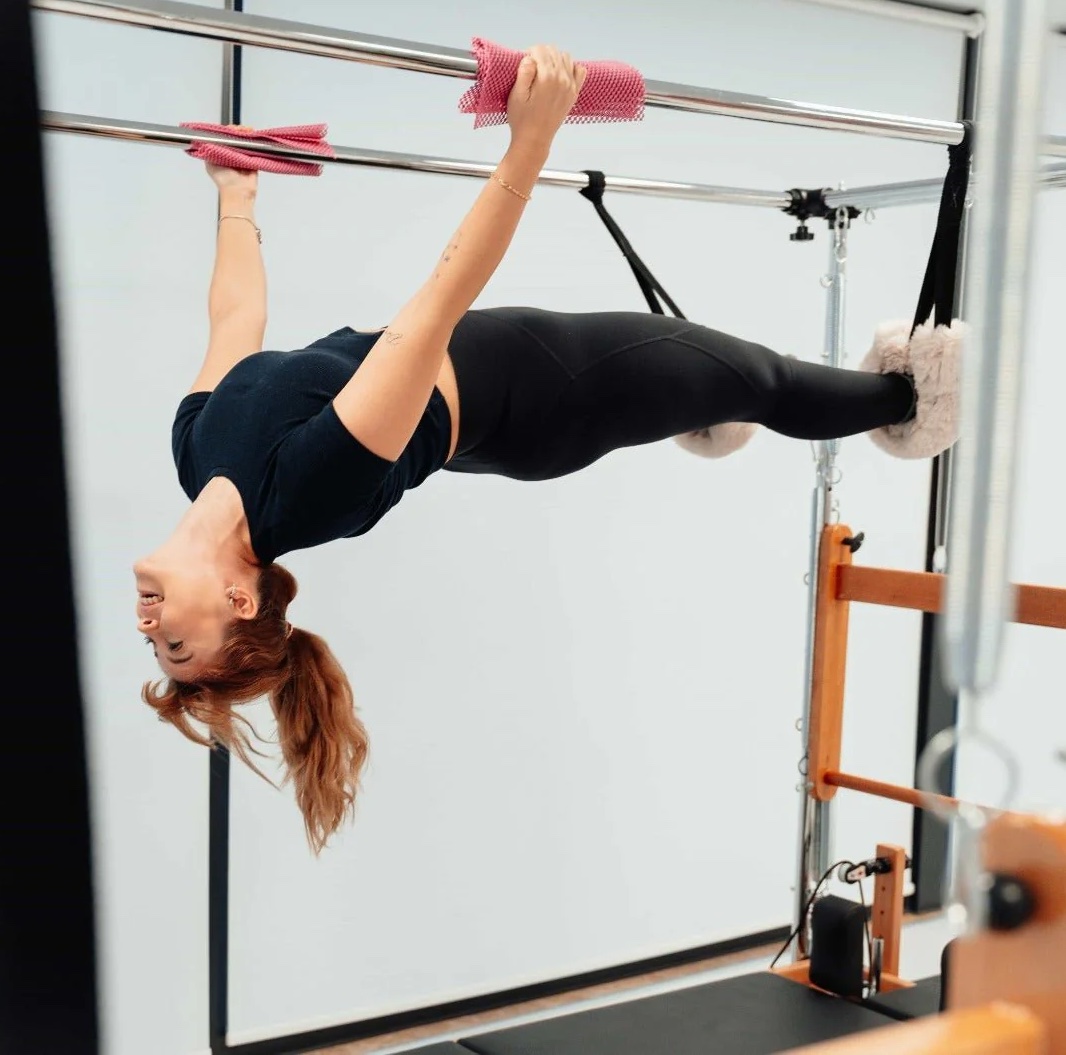
| Pilates Cadillac | Multi-planar Mobility & Stability | Trains neck in sagittal, frontal, and transverse planes to resolve “stuck” segments. |
| Free Weights | Axial Loading | Increases absolute strength for supporting the head against gravity. |
| Calisthenics | Functional Versatility | Real-world capacity building through bodyweight mastery. |
Clinical Reality
Why Active Recovery Beats Passive Neck Adjustments
Relying on adjustments or massage creates a temporary “window” of relief without building actual capacity.
Without strength training, the deep stabilisers remain “offline” and deconditioned, leaving the spine vulnerable to relapse.
Avoiding movement leads to permanent loss of range of motion and increased sensitivity to daily tasks.
Your 12-Week Roadmap: From Pain to Performance
- • Identify movement limitations and pain triggers
- • Establish baseline strength and endurance
- • Begin gentle mobility work and pain education
- • Develop bodily awareness for future exercise demands
- • Progressive resistance training for neck and shoulder girdle
- • Postural endurance exercises
- • Ergonomic optimisation and workplace habit modification
- • Return to full work capacity without pain
- • Advanced strengthening for long-term resilience
- • Self-management strategies for flare-up prevention
Our clinical mission
Our goal? To reduce dependency on unnecessary treatments. By the end of the programme you should understand your body well enough that you do not need to keep seeing us.

Managing Expectations
The Clinical Reality of Recovery
Recovery is rarely a straight line. As we introduce progressive loading to your neck, your nervous system may experience “flare-ups.” This is not a sign of re-injury, but a natural part of building tissue tolerance.
The Myth
“I will feel better every single day until the pain is gone forever.”
The Reality
“I will have good and bad days, but my overall capacity is trending upwards.”
We don’t chase temporary pain relief; we build long-term resilience.

The Founder
Jesse Cai
Jesse Cai is a published chiropractor with a unique mission: to make his own services redundant to you. Since founding Square One Active Recovery in 2018, Jesse has worked to bridge the gap between “patch-up” care and high-function living—a perspective shaped by his extensive experience with elite athletes in Australia. Today, Jesse utilises a Solution-Focused Coaching approach, partnering with you to identify your strengths and build a level of physical robustness that ensures you graduate from treatment with the tools to handle anything life throws at you.
Solution-Focused
Chronic Pain
Understanding Your Pathway
Empowering you to heal through progressive load management.
Active Rehab
Using specific exercises to desensitise the cervical nerves and restore neck range of motion.
Ergonomic Coaching
Optimising your workstation and digital habits to reduce unnecessary cervical strain.
Strength Training
Building neck and upper back robustness so you can work and live with confidence.
Symptom Management
Advice to provide short-term relief during acute flare-ups.
Reserved for emergency neurological deficits or structural failure.
Cervical Epidurals
Local chemical anti-inflammatories; offers temporary relief but no long-term fix.
Facet Injections
Diagnostic or palliative injections to shut down cervical joint signaling temporarily.
Discectomy
Surgical removal of cervical disc material; effective for acute cord or nerve compression.
Cervical Fusion
Permanently joining vertebrae; a final resort for extreme neck instability.
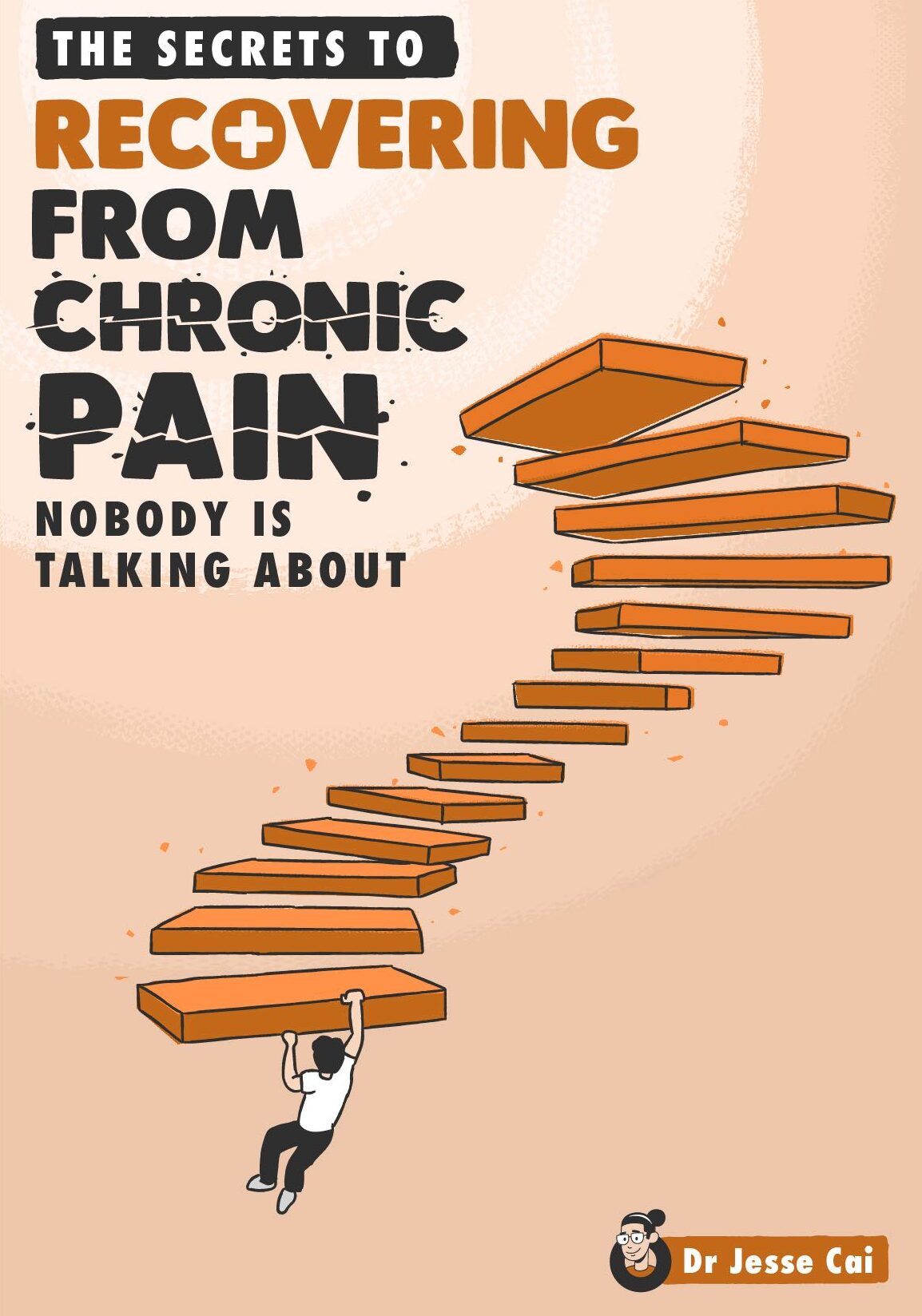
FREE DOWNLOAD: SECRETS OF RECOVERY FROM CHRONIC NECK PAIN
Discover why most neck treatments fail and how to build a “muscular brace” for long-term stability. Please ensure your details are correct so we can send the guide to you within 24 hours.
IS THIS FOR YOU?
The Square One Difference
Perfect for those who…
- ✔ Are tired of temporary adjustments for “tech neck” or disc pain
- ✔ Have been told “surgery or injections” are the only fix for arm numbness
- ✔ Want to train, lift, and play sports without fear of a neck “flare-up”
- ✔ Value evidence-based loading over passive “cracking” and heat packs
What to expect…
- ★ Autonomy: Master the tools to manage your own cervical health.
- ★ Clarity: A staged roadmap for recovery from arm pain and headaches.
- ★ Strength: A neck built to handle real-world postural and physical loads.
- ★ Longevity: Permanent changes that reduce dependency on treatments.
Our mission is to reduce your dependency on unnecessary treatments and restore your freedom of movement.
Chiropractic Clinic Location
Chinatown & Raffles Place
Located in the Hong Lim Complex in the Chinatown area, Square One Active Recovery serves professionals across the city’s heart, minutes from Chinatown and Maxwell stations.
Accessibility
Raffles Place CBD
Walking distance from the CBD. Ideal for before-work, lunchtime, or after-work appointments.
Chinatown (NEL, DTL)
Easily accessible from the MRT station. Located next to Chinatown Point and directly above Hong Lim Food Centre.
Maxwell (TEL)
Only five mins walk from Maxwell station.
SQ1 Protocol
Understanding CBD Work Demands:
A Whole-Person Approach

Our approach integrates physical robustness with mental clarity to ensure long-term resilience. Your recovery plan accounts for the unique stressors of professional life in Singapore.
Optimising screen height and keyboard placement for sustained postural health.
Structured micro movement breaks designed to fit between back-to-back meetings.
Addressing how high-stakes work stress sensitises the nervous system.
Practical strategies to offset “digital drain” and repetitive smartphone usage.
⚠️ RED FLAGS – GO A&E IMMEDIATELY
- • Sudden, severe headache accompanied by stiff neck and fever (possible meningitis)
- • Loss of bowel or bladder control
- • Progressive neurological deficits (e.g., dropping objects, clumsiness in hands)
- • Saddle Anaesthesia or numbness radiating into both arms simultaneously
- • Night pain that wakes you from sleep
- • Unexplained weight loss or fever accompanying neck symptoms
Note: While most neck pain responds well to conservative rehabilitation, certain symptoms warrant urgent medical evaluation. Once a medical professional has ruled out urgent pathologies, our team can begin a structured rehabilitation programme to restore your function.
FREQUENTLY ASKED QUESTIONS
How is this different from traditional chiropractic or physiotherapy?
Traditional chiropractic and physiotherapy often relies on passive treatments like cervical adjustments, massage, or heat. Even when exercises are used, they are too low intensity to drive true recovery. The SQ1 Protocol is 100% active. We use resistance training and nerve desensitisation to build structural robustness around your neck, ensuring you aren’t dependent on a therapist for the rest of your life.
I have a 'slipped' disc in my neck. Isn't exercise dangerous?
No. Clinical evidence shows that progressive loading is one of the most effective ways to encourage disc resorption and strengthen the surrounding tissues. We identify your current capacity gap and build you up safely so your neck can handle daily movement and exercise with zero pain.
Will I need surgery for a cervical disc herniation?
Surgery is rarely the first option for a “slipped disc” in the neck. Clinical research consistently shows that evidence-based conservative care, such as our structured chiropractic rehabilitation programme, produces similar long-term outcomes to surgery for the vast majority of cases.
What is the difference between 'Tech Neck' and Cervical Radiculopathy?
“Tech Neck” refers primarily to the aesthetics of a neck posture that is shifted forward (anterior head carriage), which usually accompanies muscular fatigue and stiffness from prolonged sedentary positions. In contrast, Cervical Radiculopathy involves actual nerve root compression, resulting in neurological symptoms like radiating pain, numbness, or weakness travelling down the arm and into the hand.
Can neck pain go away on its own?
While some minor strains may improve within weeks, recurrence rates are high if the underlying muscle weakness or movement dysfunction isn’t addressed. Research shows that if pain persists beyond 6 weeks, it is unlikely to resolve fully without a professional rehabilitation programme designed to build spinal resilience.
Can this help with radiating arm pain and hand numbness?
Yes. Radiating symptoms are often caused by nerve sensitivity or mechanical compression in the cervical spine. Through specific neuro-mobility techniques and progressive loading, we desensitise the nerve and improve the structural integrity of the area, resolving arm pain and numbness.
How long until I see results for chronic neck pain?
Most patients feel a decrease in sensitivity and improved mobility within the first 4 weeks (Stage 1: Desensitisation). Building true structural robustness and returning to full physical activity generally takes between 3 to 6 months of consistent training.
Do I need a doctor's referral?
No referral is necessary. You can book an appointment with us directly. We conduct a thorough clinical assessment to confirm your neck pain is suitable for our active recovery protocol before starting.
Do I need an MRI or X-ray before starting?
Usually not. Research shows that “degenerative changes” or “bulging discs” appear on the scans of many people over 30—even those with no neck pain. We focus on your functional capacity—how you move and what you can load—rather than treating a picture on a scan. If we spot clinical “red flags,” we will refer you for imaging immediately.
READY TO MOVE BEYOND NECK PAIN?
Stop the cycle of recurring pain and start building long-term resilience.
Whether you’re dealing with a recent nerve flare-up or decades of chronic neck stiffness, the SQ1 Protocol gives you the strength and autonomy to live pain-free.
No referral needed • Evidence-based active recovery • Singapore