
When we talk about core stability, most people immediately picture six pack abs, planks, or the transverse abdominis. But your spine does not quite end there. On top of your thoracic spine sits a seven vertebra tower that supports five kilogram bowling ball: your head. The true upper body equivalent of your deep abdominal core could be your rhomboids and middle trapezius, but it is the deep neck flexors (DNFs) that works to support your neck. Whether you are a chiropractor trying to treat persistent cervical issue or a weekend warrior suffering from tech neck, understanding the deep neck flexors is a game changer.
Here is an in depth deep dive into the anatomy, the clinical research, and how elite movement and clinical frameworks from Yoga and Pilates to Dr Stuart McGill and Robin McKenzie approach these critical muscles.
1. Anatomy and Biomechanics: The Deep Front Line of the Neck
To understand why the deep neck flexors fail, you first have to understand where they sit and what they actually do. Most visible neck muscles, like the sternocleidomastoid (SCM) and the anterior scalenes, are superficial long lever muscles built for power and massive global movement.
For example, your SCM works to rotate and laterally flex the neck when one side is work. When both SCMs work, you will end up in a forward flexion position. While they are strong and extremely well developed in some athletes (e.g., surfers, F1 drivers), they are not designed to work for long hours to support your head upright.
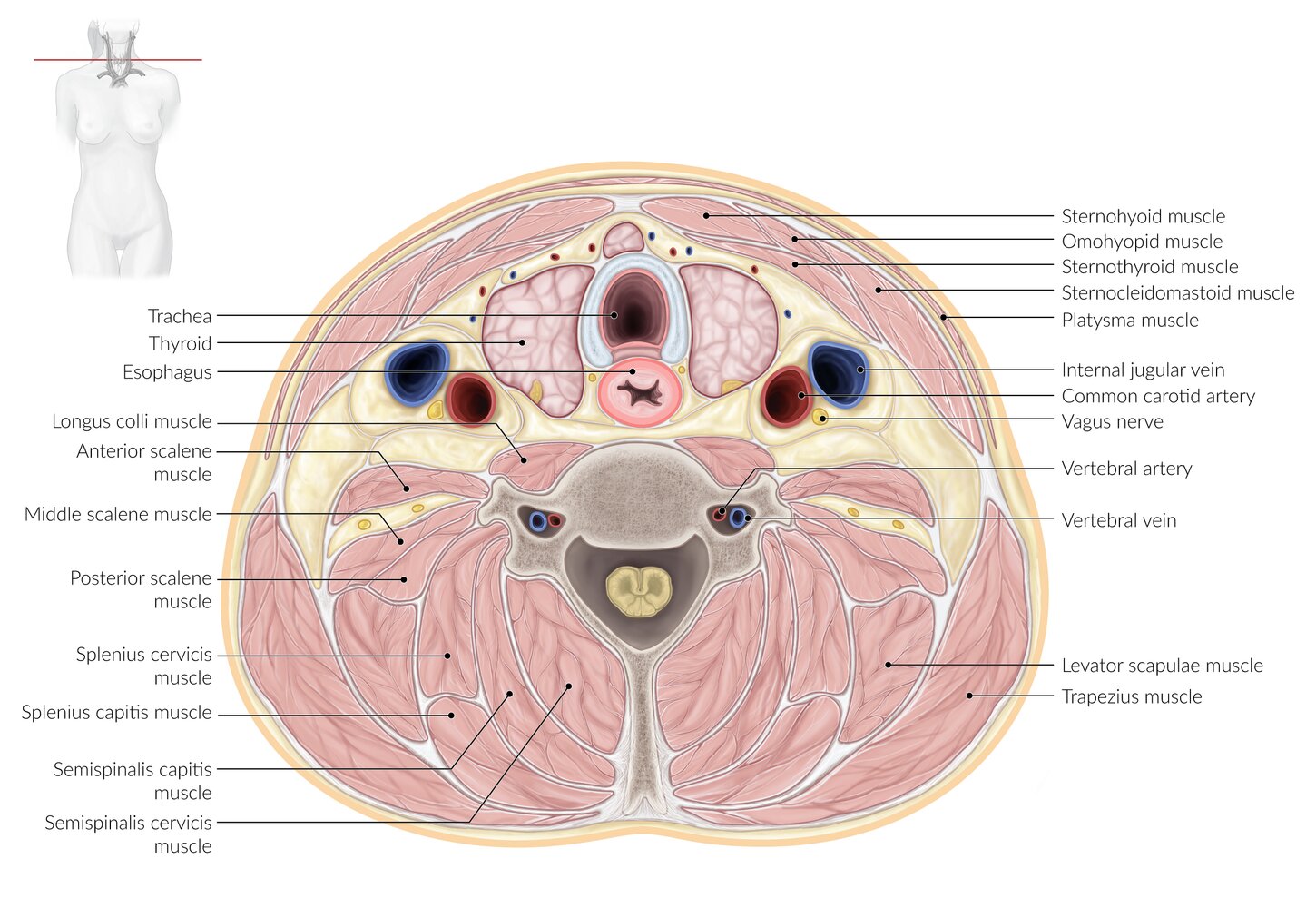
The deep neck flexors, on contrast, are smaller muscles that sit deep in your neck. They can be found directly on the front surface of the cervical spine.. These muscles are what you need to support your own head.
The Key Players:
- Longus Colli: The workhorse of cervical stability. It spans from the anterior arch of the C1 vertebra (atlas) all the way down to the T3 thoracic vertebra. It acts like a guy wire on a sailboat, preventing the cervical spine from buckling forward into excessive lordosis.
- Longus Capitis: Originates on the transverse processes of C3 to C6 and inserts into the inferior surface of the basilar part of the occipital bone. Its primary role is subtle upper cervical flexion (nodding the head yes).
- Rectus Capitis Anterior and Lateralis: Tiny, deeply placed muscles that bridge C1 to the base of the skull, providing fine tuned proprioceptive feedback and micro adjustments for head alignment.
Functional Roles:
- Cervical Segmental Stability: Just as local deep abdominal muscles stabilise individual lumbar vertebrae, the longus colli and longus capitis stabilise individual cervical segments.
- Flattening the Cervical Curve: They produce upper cervical flexion (a gentle chin tuck) while controlling and flattening the sagittal curve of the mid to lower cervical spine.
- Proprioception and Balance: Packed with muscle spindles, these muscles inform your brain where your head is in space, which directly impacts balance, visual tracking, and vestibular health.
2. The Research: What Science Says About DNFs and Pain
In modern culture, poor posture as a result of weak DNF is everywhere. While “poor” posture alone is not a problem, so long as your neck musculature is working well, we often see neck weakness associated with Forward Head Posture (FHP).
FHP comes with two dimensions, one is the weakening of the mid back musculature, which we had discussed in the previous post. The other is the weakening of the DNF, which result in the failure of stabilising the head against gravity. When the head migrates forward into a FHP, the upper cervical spine goes into extension with the chin poking forward while the lower cervical spine hyper flexes.
1. Inhibition and Muscle Fatigue: Clinical research led by pioneers like Dr Gwendolen Jull demonstrates that individuals with chronic neck pain show a distinct deficit. Their deep neck flexors are delayed in firing, weak, and easily fatigued. To compensate, the body over recruits the superficial SCM, anterior scalenes, and even upper trapezius.
2. Structural Atrophy: Studies utilising MRI and ultrasound reveal that chronic neck pain patients often display fatty infiltration and atrophy (muscle wasting) in the longus colli and longus capitis. This structural decay is nearly identical to the multifidus atrophy seen in chronic low back pain.
3. Cervicogenic Headaches and Dizziness: Because the deep neck flexors share intimate neurological pathways with the suboccipital region and the trigeminocervical nucleus, DNF dysfunction is directly linked to cervicogenic headaches and postural dizziness. Restoring DNF endurance consistently reduces headache frequency and intensity in clinical trials.
The Legacy of Vladimir Janda
Decades ago, Dr Vladimir Janda described Upper Crossed Syndrome, proposing that predictable patterns of muscle tightness and weakness drive postural collapse. While the visual representation of slouched shoulders and forward head posture described by Janda accurately reflects the physical appearance of modern desk workers, the underlying muscle imbalance theory is no longer considered evidence based.
Contemporary pain science and biomechanical research s
how that posture alone does not directly cause pain, and static muscle tightness or weakness maps rarely correlate neatly with clinical symptoms. Pain is far more complex than simple structural muscle imbalance, though restoring active capacity to inhibited deep neck flexors remains clinically vital for building physical tolerance.
3. Yoga: Jalandhara Bandha, Inversions, and Tech Neck Risks
Yoga provides a fascinating lens on DNF function. Ancient yogic practices naturally incorporated deep neck flexor engagement thousands of years before EMG machines, yet modern yoga classes can sometimes inadvertently strain these same structures if mechanics are ignored.
1. Jalandhara Bandha (The Energy Lock): In classical Pranayama and Hatha yoga, Jalandhara Bandha is performed by lifting the sternum and drawing the chin inward and downward into the jugular notch. Mechanically, this is an active, isometric, endrange engagement of the deep neck flexors. The chin tuck compresses the carotid sinuses, stimulating the vagus nerve to lower heart rate and blood pressure while stabilising the cervical spine during breath retention (Kumbhaka).
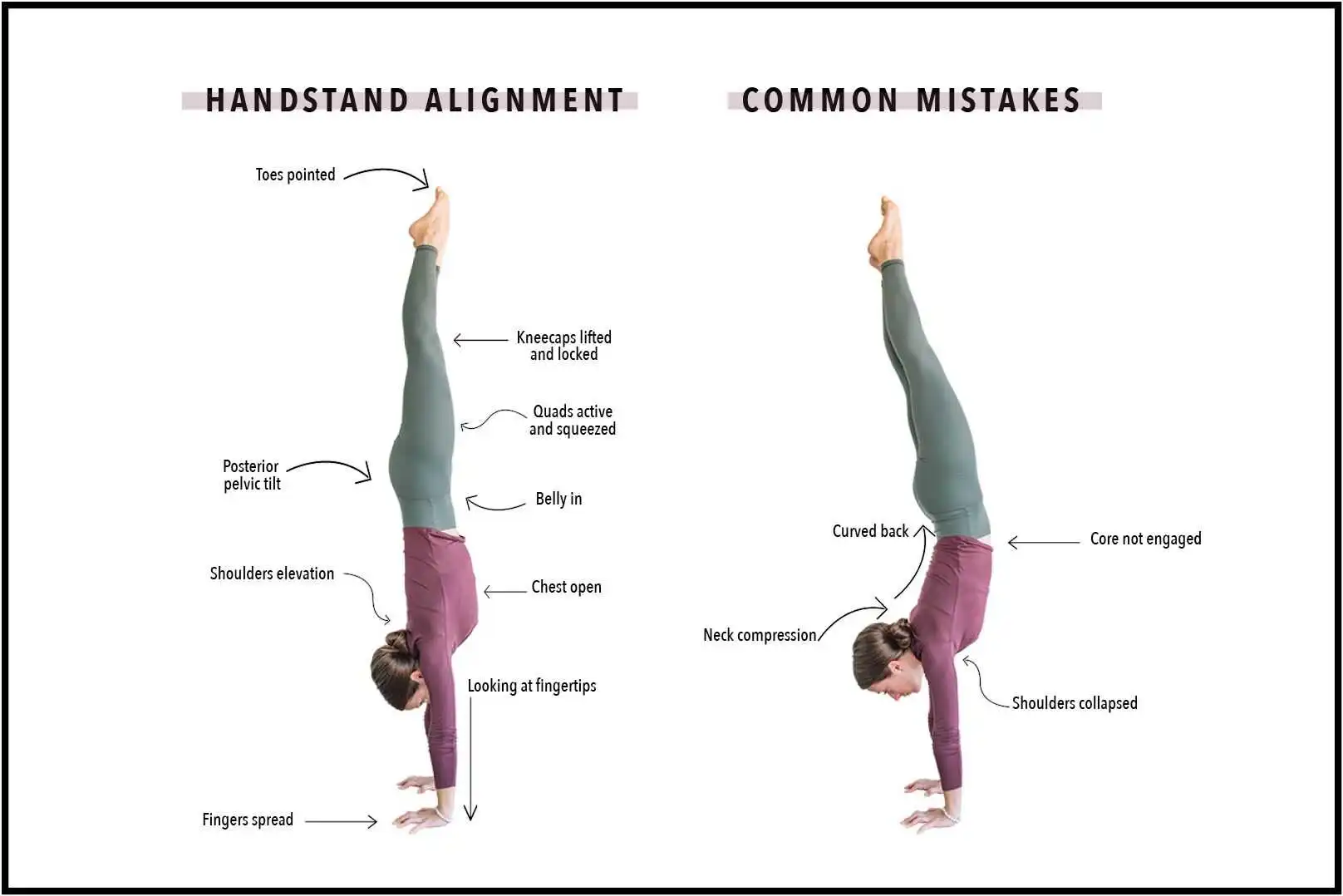
2. Cervical Mechanics in Inversions: In headstands (Salamba Sirsasana) or shoulder stands (Salamba Sarvangasana), the cervical spine bears significant weight. If the deep neck flexors are asleep during headstands, the cervical spine collapses into excessive lordosis or dangerous shear, placing extreme pressure on posterior facet joints. When inversions are done correctly, active DNF engagement prevents over reliance on superficial SCM strength.
3. The Danger Zone (Unsupported Head Dropping): In poses like Camel Pose (Ustrasana) or Fish Pose (Matsyasana), students are frequently told to just drop the head back. Throwing the head back passively creates a sudden hyperextension hinge in the lower cervical spine, compressing posterior joints. Instead, teach active eccentric contraction where deep neck flexors actively lengthen to guide the head back smoothly.
4. Pilates: The Art of the Head Nod
Where Yoga incorporates the throat lock energetically and structurally, Pilates focuses on dynamic motor control to prevent SCM dominance.
The Head Nod (Cranio-Vertebral Flexion): In Pilates, exercises such as The Hundred, Single Leg Stretch, or Roll Up, movement always begins with a subtle head nod. Cues like lengthen the back of the neck or hold an egg beneath your chin isolate the longus capitis and longus colli before the larger global flexors take over.
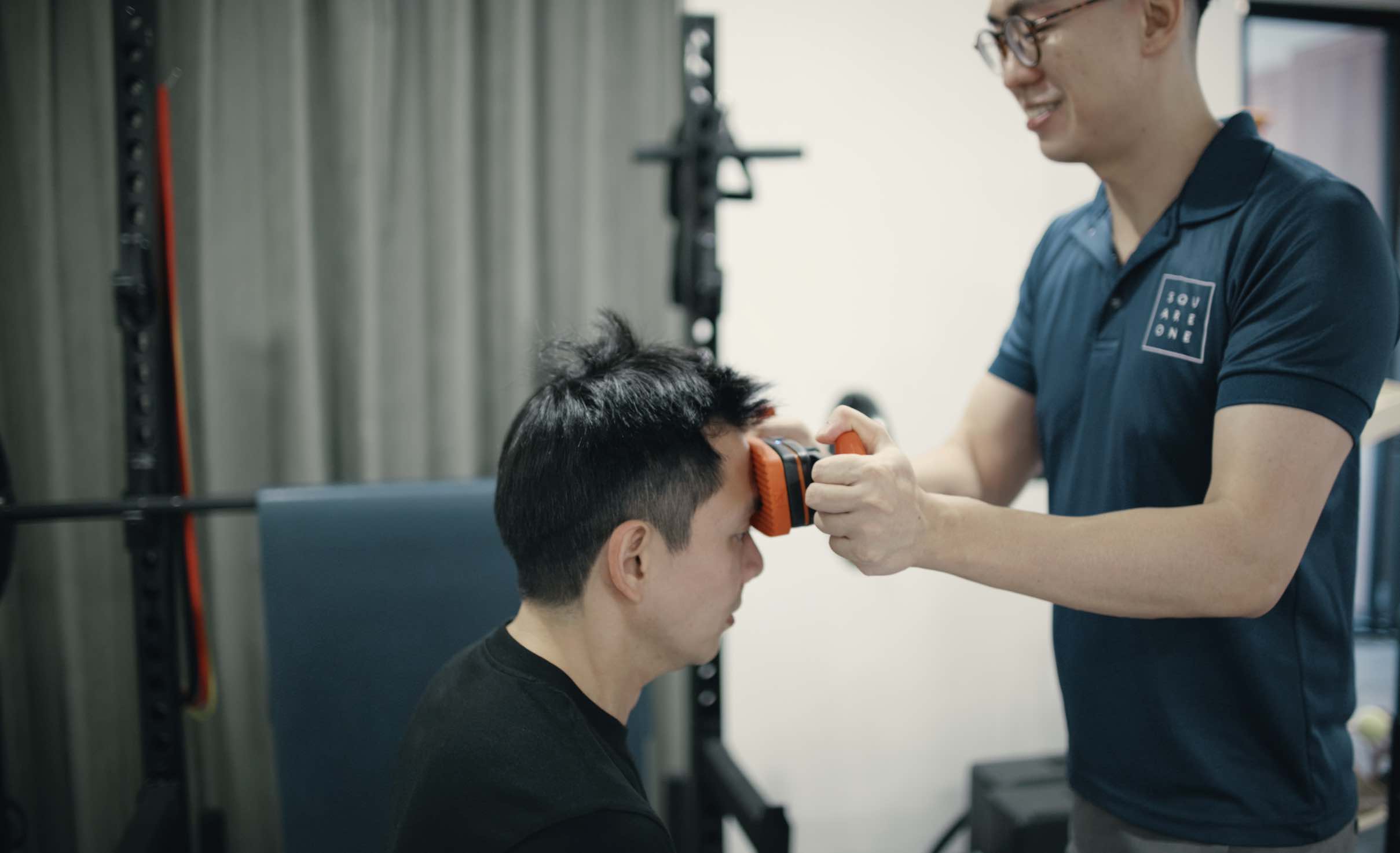
Overcoming SCM Dominance: Lifting the head off the mat using pure SCM power causes the chin to jut toward the ceiling, straining the anterior neck. Pilates fixes this by isolating the head nod independently on the mat or reformer while grounded. Using tactile feedback behind the occiput can help to teach the deep neck flexors to carry the weight of the head before initiating abdominal curl ups.
5. Clinical Frameworks: McGill vs McKenzie
Clinical rehabilitation frameworks offer targeted methods to train or unload these structures safely.
The McGill Perspective (Iso-Endurance): Dr Stuart McGill emphasises that the neck thrives on isometric endurance, not high load dynamic flexions. Aggressive dynamic neck flexion or high repetition neck curls create massive shear forces across cervical discs. The McGill approach utilises submaximal isometric holds in a true neutral spine posture to build the endurance needed to support the head effortlessly throughout the workday. Unlike the pilates method, the McGill Curl Up, ironically, avoids segmental flexion (i.e., no chin tuck, no abs draw in).
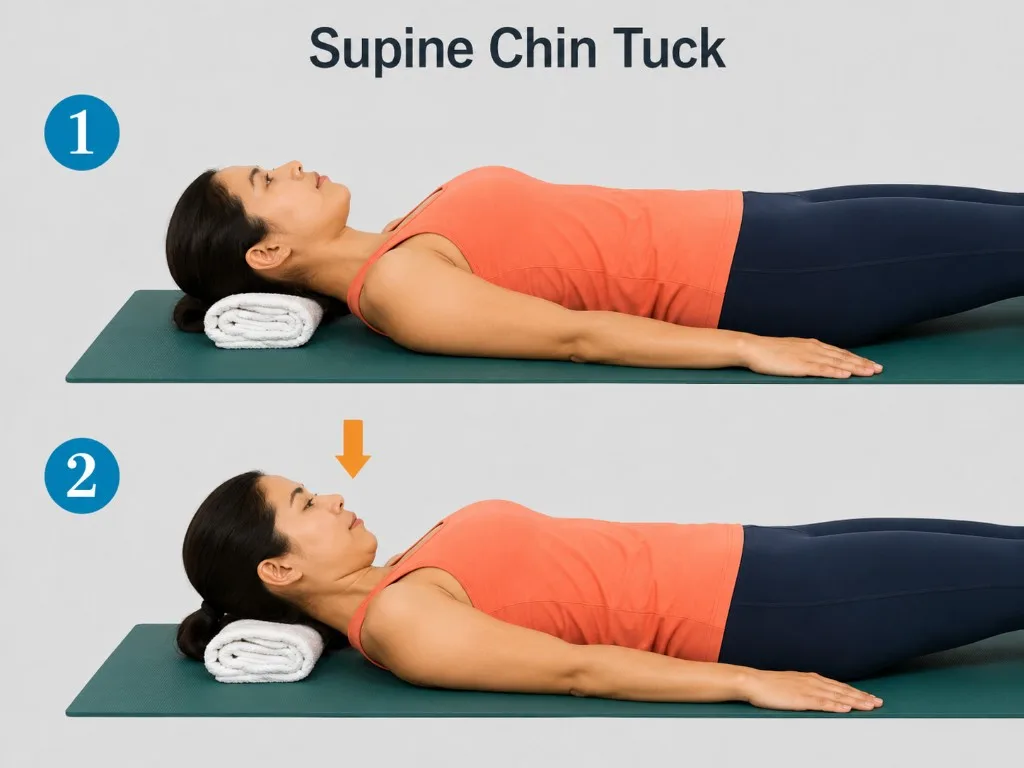
The McKenzie Method (MDT): Robin McKenzie’s framework centers around directional preference and restoring mechanical alignment. The core McKenzie cervical movement is retraction (the classic double chin). This glides the upper cervical spine into flexion and the lower cervical spine into extension, reversing forward head posture. Active retraction relies on deep neck flexor recruitment to shift the head posteriorly over the thorax, centralising pain and restoring healthy resting length to hyper extended structures.
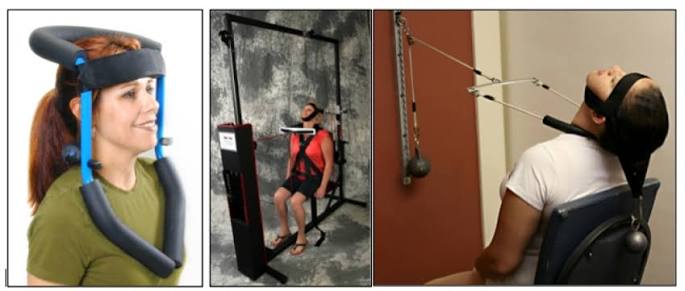
Denneroll and Home-Based Cervical Orthotics: Why Passive Traction Fails
Products like the Denneroll and various foam cervical orthotics are heavily marketed as quick home fixes for restoring the natural curve of the neck. Users lie back over a rigid block to passively stretch the cervical spine. While resting on these devices can offer temporary symptomatic relief by altering local sensory input or easing surface tension, they fail to deliver meaningful, long term recovery.
The fundamental flaw with cervical orthotics is their reliance on passive positioning. Lying over a plastic block does nothing to strengthen weak deep neck flexors or retrain faulty motor control. What happens after you get up? The muscles aren’t able to support the now relaxed position, and immediately starts to tighten up or spasm.
While stretching is frequently categorised as exercise, passive tissue stretching has very low utility value in physical rehabilitation. Passive flexibility does not improve active capacity. Once you stand up, inhibited deep neck flexors still cannot support the weight of the head, causing the neck to collapse back into forward head posture. Lasting recovery requires active neuromuscular loading, not passive molding.
Summary of Frameworks and Approaches
| Framework | Primary Mechanism | Core DNF Focus | Practical Exercise | Key Goal |
|---|---|---|---|---|
| Yoga | Jalandhara Bandha and axial inversion control | Active throat lock engagement and controlled eccentric lengthening | Chin to chest lock in Pranayama or active headstand stabilization | Parasympathetic stimulation, structural alignment, and protection against hyperextension |
| Pilates | Cranio-vertebral flexion (the head nod) | Fine motor control and isolating deep flexors before global flexion | Ab Prep head nod and supine mat curls | Preventing SCM recruitment dominance and ensuring clean neck mechanics during core work |
| McGill Framework | Neutral spine submaximal isometric holds | Postural endurance and shear force reduction | Wall isometric presses and submaximal chin nods | Building long term endurance to support the weight of the head throughout the day |
| McKenzie Method | Cervical retraction and directional preference | Gliding upper cervical spine into flexion while centralizing pain | Sitting double chin retractions with overpressure | Reversing forward head posture and decompressing cervical discs |
| Cervical Orthotics | Passive positional extension traction over foam or plastic blocks | None (deep neck flexors remain unengaged and passive) | Lying supine over Denneroll or neck fulcrums for timed holds | Temporary sensory relief without building long term capacity or active endurance |
6. How We Integrate Everything Into Our Rehab Programme
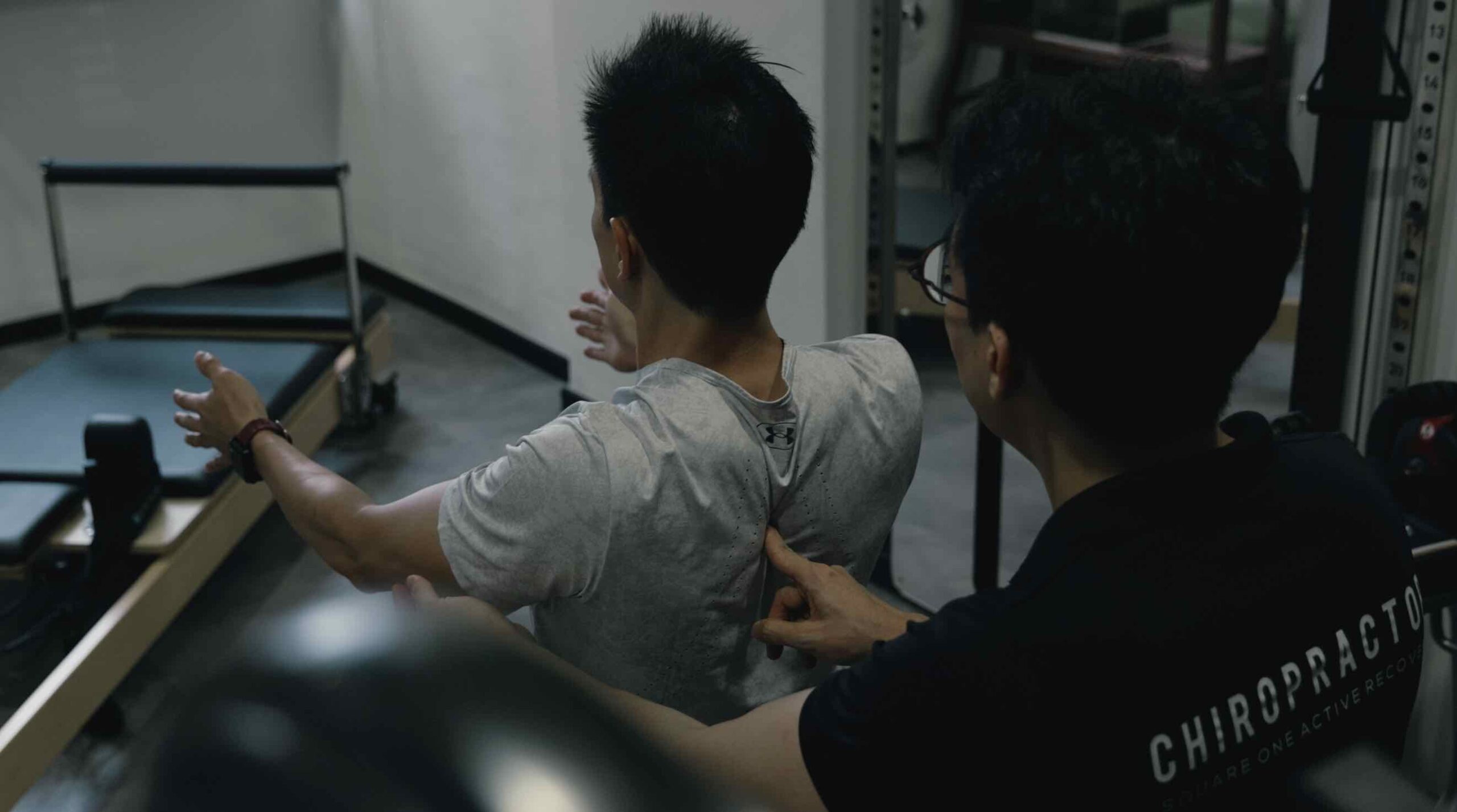
In our clinical practice, we combine the most effective active components from these methodologies into a unified, evidence based rehabilitation pathway. However, we intentionally exclude passive stretches, foam cervical blocks, and passive traction devices. While passive stretching may make muscles feel temporarily relaxed by altering nervous system tone, it offers zero long term therapeutic value for tissue adaptation or strength building. Lasting recovery requires progressive active loading.
Phase 1: Motor Control and Isolation (Yoga and Pilates Integration): We begin by teaching clients how to disengage overactive superficial muscles like the SCM. Borrowing fine motor control principles from Pilates head nods and subtle breath control from yogic throat locks, clients learn to initiate upper cervical flexion without gripping through the neck.
Phase 2: Directional Preference and Mechanical Unloading (McKenzie Integration): Once motor control is established, we introduce targeted cervical retractions to reduce compressive stress on posterior cervical structures and centralise any radiating discomfort.
Phase 3: Progressive Postural Endurance (McGill Integration): Finally, we build true capacity by applying McGill isometric protocols. We train the deep neck flexors to sustain submaximal contraction under increasing time and functional body positions, ensuring your neck can easily handle long hours at work without fatigue or pain returning.
Red Flag Symptoms
Always be mindful of red flags. Seek immediate emergency medical attention if your neck pain is accompanied by loss of bowel or bladder control, numbness in the groin, progressive limb weakness, unexplained weight loss, or high fever.
If you are currently navigating neck pain or considering starting a rehab routine, book an assessment with Square One Active Recovery today or reach out to us to get started.
[/vc_column_text]
Key Takeaways
When navigating deep neck flexor health, keep these fundamental principles in mind:
-
1
Active strength over passive stretch. Passive devices like orthotic foam blocks and passive stretching feel nice temporarily but offer very low utility value in real recovery.
-
2
Prioritise isometric endurance. The cervical spine responds best to submaximal postural endurance rather than aggressive, high load dynamic flexions.
-
3
Integrated active pathways win. Combining motor control from Pilates and Yoga with active clinical exercises from McKenzie and McGill delivers long term physical capacity.

