
High intensity fitness workouts have taken the fitness world by storm. You can see it everywhere from packed indoor spinning studios to high endurance events like HYROX. Pushing your limits feels great and helps you grow as an athlete, but ignoring proper recovery can backfire quickly. When you work out far more than you rest, you run into Overtraining Syndrome (OTS). In severe cases, it can even cause medical emergencies like exertional rhabdomyolysis. Understanding how your body adapts to physical stress and managing your training load properly is the real secret to staying strong for years to come.
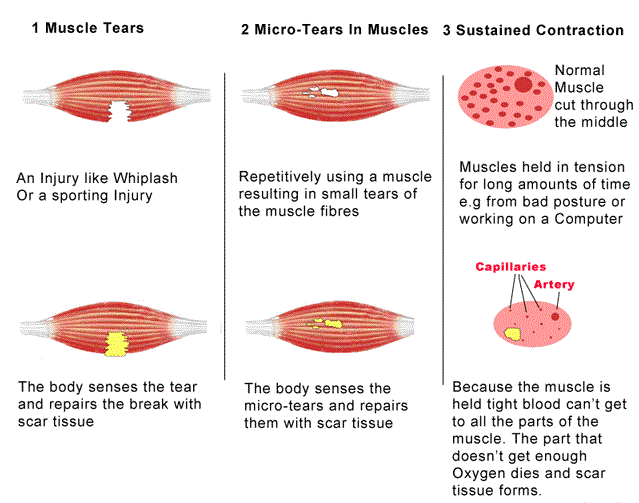
A lot of people think that lifting weights or running hard is what actually builds muscle and strength. In reality, working out does the exact opposite. Exercise breaks you down. It causes metabolic stress and creates microtrauma across your body tissues, including your muscle fibres, tendons, ligaments, and joints.
When you push through a tough workout, muscle proteins break down, tiny micro tears form in your connective tissues, and your energy reserves drain. Training alone will not make you stronger because it only supplies the physical stress needed to start the process.
All the real progress happens while you rest. The magic occurs when your body repairs collagen in your tendons, builds back muscle protein, and settles your nervous system. Rest is just as important as the workout itself because your body needs that downtime to rebuild itself stronger than before. If you skip recovery, you simply stack damage on top of damage faster than your body can repair it.
2. What is Overtraining Syndrome and Why Is It Easily Overlooked?
Experts define Overtraining Syndrome (OTS) as a long term drop in athletic performance that happens even when you keep training or work out even harder. It brings along hormonal disruptions, mood changes, and metabolic issues that can linger for weeks or even months.
Overtraining syndrome is different from normal post workout tiredness. It creeps up on you silently because the early warnings look like ordinary everyday fatigue or a temporary bad day at the gym.
- Unexplained Drop in Performance: You struggle to hit your normal running paces, your power output drops, or you tire out surprisingly early.
- Persistent Muscle and Joint Soreness: A heavy legs feeling that never seems to go away, even after taking a day off.
- Hormonal and Heart Rate Changes: Your resting heart rate stays unusually high, your body struggles to calm down after exercise, and your sleep quality plummets.
- Mood Swings and Brain Fog: You feel irritable, unmotivated, foggy, and weights that used to feel light suddenly feel impossibly heavy.
- Frequent Illness: You catch minor colds easily and take forever to recover from simple cuts or minor joint tweaks.
When dedicated athletes hit a wall, their instinct is often to push twice as hard. Unfortunately, this usually accelerates the slide into full overtraining syndrome.
3. From Spin Classes to HYROX: When Workout Intensity Becomes a Medical Emergency
High intensity group workouts like indoor spin sessions and competitive events like HYROX have helped countless people get into fantastic shape. However, when sudden extreme exertion outpaces what your body can tolerate, things can get dangerous fast, leading to conditions like exertional rhabdomyolysis.
Rhabdomyolysis, often shortened to rhabdo, happens when damaged muscle tissue breaks down rapidly. This sudden breakdown leaks proteins like myoglobin and enzymes like creatine kinase directly into your bloodstream. As highlighted by local health stories, severe cases often pop up after intense muscle burnouts or unfamiliar exercise routines, such as non stop spinning sprints or heavy sled pushes in HYROX training.
When massive amounts of muscle proteins flood your bloodstream, they can clog the delicate filtering systems in your kidneys. This creates a genuine risk of acute kidney injury and dangerous electrolyte shifts, which requires immediate medical emergency care and hospital treatment.
4. Objective Training Load vs. Subjective Experience
One major reason people get overtrained is that they confuse how they feel inside with the actual physical load on their body. Mechanical load is purely objective. It is the math behind your total volume, total weight lifted, joint reps, and impact forces.
Mechanical load does not care about your mental toughness or good mood. If you place 50,000 kg of cumulative weight through your knees and spine over a heavy week, that stress hits your tissues regardless of whether you felt hyped up or completely exhausted.
If your joint cartilage and tendons are already worn down, the total stress on your body remains high. Drinking extra coffee or relying on sheer willpower cannot change basic physics. If total objective load exceeds what your body tissues can handle, breakdown will happen anyway.
5. Mastering Load Management to Protect Your Tissues
Proper load management is all about keeping the physical stress of your workouts in balance with your body’s ability to recover. Injury and overtraining rarely happen because of a single workout. Instead, they usually occur when you spike your training volume too quickly for your body to adapt.
Sports scientists look closely at the relationship between your short term workload and your long term fitness baseline. When you increase your weights, running mileage, or high intensity sessions too aggressively, your risk of tissue breakdown and joint pain skyrockets. Keeping your weekly progression steady gives your muscles and tendons the time they need to grow stronger without getting overwhelmed.

6. The Active Recovery Delusion and Why You Cannot Swap Load
Here is a basic truth about human biology: You are either resting or you are training. Active recovery is still training.
Light movement can certainly help blood flow when you are feeling a bit of normal muscle soreness. However, if you have pushed yourself into overtraining syndrome, doing active recovery workouts will not save you. Easy cycling, light swim laps, or extended mobility circuits still burn through valuable energy, keep your nervous system working hard, and demand tissue repair.
It is also a mistake to think you can fix overtraining by swapping activities around, like cutting down on running while lifting heavier weights instead. Stress is cumulative across your entire body. Your nervous system does not separate leg tiredness from upper body tiredness because it processes overall stress as one whole. If you are deeply fatigued, shifting the work from one muscle group to another will not fix the issue.
When you are overtrained, doing extra exercise simply will not make you fitter. You must take genuine time off to rest properly before building your workouts back up.
7. How to Prevent Overtraining: The Four Pillars of Recovery
Avoiding overtraining is far easier than climbing out of it. Keeping your body healthy comes down to managing four basic lifestyle pillars:
- Prioritise Quality Sleep: Sleep is your ultimate recovery tool. Deep sleep is when your body releases growth hormones to repair tissue, clear metabolic waste, and restore your central nervous system. Aim for seven to nine hours of quality rest every night.
- Fuel Your Body Properly: Eating too few calories while working out hard is a fast track to overtraining. Make sure you consume enough carbohydrates to replenish muscle glycogen and plenty of protein to repair microtrauma in your tissues.
- Manage Everyday Stress: Your body does not separate gym stress from life stress. Long hours at work, mental worries, and financial anxieties activate the exact same fight or flight pathways. When life gets stressful, you should dial back your workout intensity to compensate.
- Control Your Training Volume: Plan your weekly workouts intelligently. Include regular deload weeks where you cut back on total weight and repetitions, giving your joints, tendons, and muscles a chance to catch up and fully rebuild.
At a Glance: Functional Overreaching vs Overtraining Syndrome
| Parameter | Functional Overreaching (FOR) | Overtraining Syndrome (OTS) |
|---|---|---|
| Recovery Timeline | Days to two weeks of reduced load or complete rest | Months of complete structured rest and recovery |
| Systemic Impact | Short term tiredness and mild localised muscle soreness | Severe nervous system, hormonal, immune, and metabolic exhaustion |
| Performance Response | Temporary dip in performance followed by nice strength gains | Ongoing drop in performance even though you work harder |
| Management Strategy | Scheduled deload weeks, great sleep, and light active recovery | Stopping heavy workouts entirely, seeking professional help, and a slow rebuild |
8. How Square One Active Recovery Can Help
Bouncing back from severe exhaustion, nagging joint pain, or sports injuries caused by overtraining takes a clear and structured plan. Trying to push through pain or ignoring clear signs of burnout usually ends up delaying your recovery for even longer.
At Square One Active Recovery, we help athletes and active people rebuild their routines in a practical way. We combine detailed movement assessments, targeted rehabilitation, and sensible load management advice to help you recover safely and build lasting physical resilience.
If constant tiredness or recurring injuries are stopping you from reaching your fitness goals, creating a smart recovery plan is the best place to start.
Ready to optimise your training load and overcome persistent fatigue? Book a comprehensive assessment with Square One Active Recovery today.
Key Takeaways
When managing workout volume, avoiding overtraining, and preserving physical performance, keep these core principles in mind:
-
1
Adaptation happens during rest. Workouts create microscopic tissue tears and metabolic stress, but strength gains and physical repair only take place when you give your body time to rest.
-
2
Active recovery is still training. Swapping exercises or doing light sessions still taxes your system. If you are truly overtrained, real rest is the only solution.
-
3
Physical load is objective. The mechanical stress on your joints and muscles builds up regardless of your motivation, so manage your training volume using real numbers rather than just mood.

