
If you have ever pushed through persistent joint aches or hit a frustrating plateau in your training, your initial reaction might be to double down and work harder. However, stacking up physical stress without proper recovery is a quick route to overtraining injuries and burnout. Progression is not just about moving heavier weights or running further. It relies heavily on knowing when to step back. A planned deload week is far from a sign of weakness. It is a smart strategy to strip away accumulated fatigue so your body can adapt and build real strength.
1. Overtraining Injuries and the Reality of Deloading
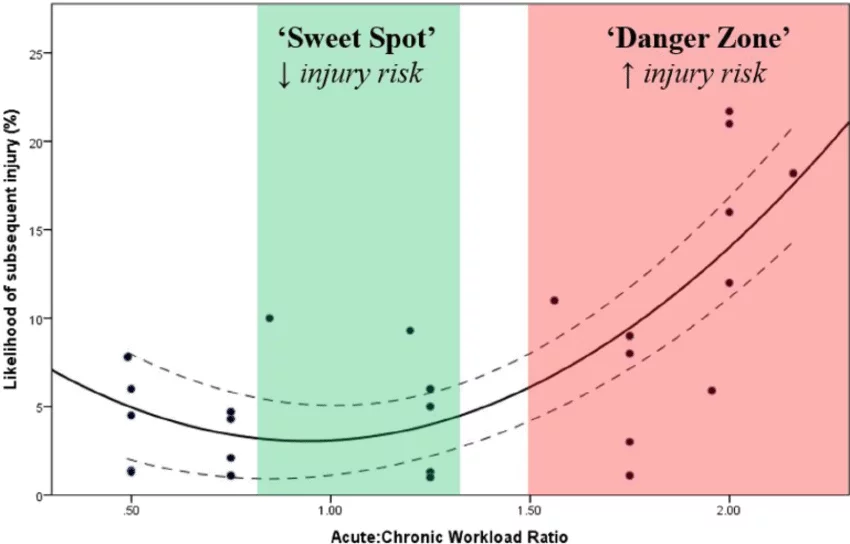
Overtraining injuries usually sneak up on you slowly. They happen when the stress placed on your joints and muscles continuously outweighs your ability to recover over time. When your physical load stays too high for too long, things like tendonitis and joint irritation inevitably catch up with you.
A deload is always about removing load. Getting your body back on track requires a temporary reduction in physical stress. You cannot recover from excess training by adding more foam rolling sessions, extra stretches, or secondary drills to your schedule. The underlying mechanism of recovery is removing physical stress so your central nervous system and muscles can repair properly.
2. Rest as an Active, Skill-Based Strategy
Even though rest looks like you are doing nothing physically, it remains a deliberate choice. Stepping back from intense workouts to prioritise long term strength requires intentional decision making.
In Singapore, where long work hours and sleep deprivation are part of daily life for so many, resting is certainly not a passive activity. When your days are filled with high stress jobs and long hours at a desk, good quality physical recovery will not happen by chance.
Rest is not simply the absence of exercise. It is a genuine opportunity for your body to bounce back from the hard work you put in during training. Learning to rest effectively is a valuable skill that takes real effort and focus to master.
3. Four Key Pillars of a Successful Deload
Getting the absolute most out of your deload week comes down to managing four core areas of your routine.
A. Focus on Quality Sleep
Sleep is your primary recovery engine. Deep sleep allows your body to release growth hormones that repair tissue damage. During a deload, aim for a steady sleep schedule, put screens away an hour before bed, and keep your room cool to encourage deep sleep.
B. Maintain Good Nutrition
A deload week is not the right time to cut calories drastically. Your tissues need energy and protein to rebuild. Keep your protein intake steady and drink plenty of water to support your body while it repairs itself.
C. Practise Relaxation Techniques
Daily stress keeps your nervous system on high alert, which actively slows down physical recovery. Simple relaxation techniques like deliberate breathwork, light walks outside, or mindfulness help shift your body into a restorative state that is essential for healing.
D. Adjust Training Volume: Absolute vs Partial Deload
Depending on how tired you feel, you can adjust your exercise volume in two different ways.
- Absolute Deload: Taking a total break from gym sessions for five to seven days. This works best when dealing with joint pain flare ups such as knee pain or back pain.
- Partial Deload: Continuing your regular sessions while reducing your overall sets by up to half, or dropping your working weights by roughly forty percent. This keeps your movement sharp while clearing out built up fatigue.
4. Do I Need to Deload If I Have No Pain?
The short answer is yes. Training load is an objective metric, and it does not always align with your subjective experience on any given day. It is entirely possible to be overtraining even if you feel completely fine and free of pain.
Microscopic breakdown in your muscles, tendons, and ligaments accumulates long before symptom warnings appear. Deloading proactively gives these structural tissues time to adapt and repair fully before microtrauma turns into an actual injury, allowing you to sustain long term progress without unexpected interruptions.
5. What If I Have Deloaded and Still Have Pain?
If you have taken a deload week and are still experiencing discomfort, whether you can continue training depends on several factors. Pain is a complex, subjective perception. While it can sometimes point to physical tissue damage, in many cases, especially with chronic issues, it is not a direct reflection of structural harm.
When pain persists after a deload, it is wise to seek a professional evaluation. A chiropractor experienced in sports injury and physical performance can assess how your body is handling stress, evaluate if further deloading is required, or identify structural factors that need attention.
In many instances, resting alone will not resolve the underlying issue because targeted conditioning work is needed before resuming your normal volume. Specific sports and exercise styles naturally favour certain movement patterns. Over time, these biases can create muscular imbalances where neglected tissues become vulnerable to strain and become the primary source of your discomfort.
Furthermore, chronic overtraining often causes your movement patterns to alter subtly as your body adapts to training under fatigue, soreness, or lingering pain. These altered, suboptimal mechanics can become inefficient. Trying to return to heavy loads with inefficient mechanics often leads to poor training economy, making you highly susceptible to overtraining even at moderate training volumes. Professional guidance helps correct these motor control and movement errors, restoring your range of motion so you can return to your sport safely.
At a Glance: Deloading Options
| Strategy | Training Adjustment | Main Goal | Best Suited For |
|---|---|---|---|
| Partial Deload (Volume) | Reduce total sets by half while keeping regular weights | Maintain strength while cutting down muscular fatigue | Regular scheduled breaks during ongoing strength programs |
| Partial Deload (Weight) | Drop working weights to around half while keeping regular sets | Give joints and tendons a break from heavy loads | Joint niggles, minor soreness, heavy nervous system fatigue |
| Absolute Deload | Complete pause from structured workouts for a full week | Total reset for the nervous system and body | Busy life periods, acute injury flare ups, heavy fatigue |
6. How Square One Active Recovery Can Help
Managing ongoing pain or recurring workout injuries can make loading your body feel tricky. Taking time off without a clear plan often leaves you uncertain about how to return to exercise safely.
At Square One Active Recovery, our evidence based approach bridges the gap between managing discomfort and rebuilding strength. We look closely at your overall routine, daily work demands, and exercise volume to help you navigate recovery with confidence.
Ready to optimise your recovery and train without constant setbacks? Book a comprehensive clinical assessment with Square One Active Recovery today.
Key Takeaways
Keep these fundamental concepts in mind when planning your recovery:
-
1
Deloading requires removing load. Real physical recovery comes from scaling back training stress rather than adding more drills or recovery hacks.
-
2
Rest is an active choice. In high pressure environments like Singapore, getting quality rest takes real intention and careful planning.
-
3
Address persistent pain professionally. If resting fails to clear discomfort, underlying movement inefficiencies or neglected muscle groups likely require targeted rehabilitation.

