
That dull aching shoulder, the stubborn tennis elbow that refuses to clear up, or a tight Achilles tendon after every run rarely appears overnight. While it is easy to blame your last intense workout, most persistent aches stem from a repetitive stress injury (RSI). These injuries develop gradually when the physical load placed on your body quietly outpaces its natural ability to repair, adapt, and recover.
1. What Exactly Is a Repetitive Stress Injury?
A repetitive stress injury, often called a repetitive strain injury, happens when soft tissues such as tendons, muscles, and ligaments experience repeated micro trauma without adequate time to heal. Unlike acute injuries, such as an unexpected ankle sprain from a misstep off a curb, RSIs are cumulative. Small amounts of mechanical strain accumulate day after day, week after week, until the cellular capacity of the tissue finally breaks down.
We often associate these issues exclusively with athletic overtraining, but sports are only part of the story. Everyday office routines, poor workstation ergonomics, and lifestyle habits play an equally massive role. Typing at a non ergonomic keyboard for eight hours a day, cradling a heavy smartphone between your ear and shoulder, or carrying a heavy tote bag over the exact same side daily can trigger the exact same inflammatory and degenerative tissue processes seen in overtrained athletes.
2. What Are the Five Key Symptoms of RSI?
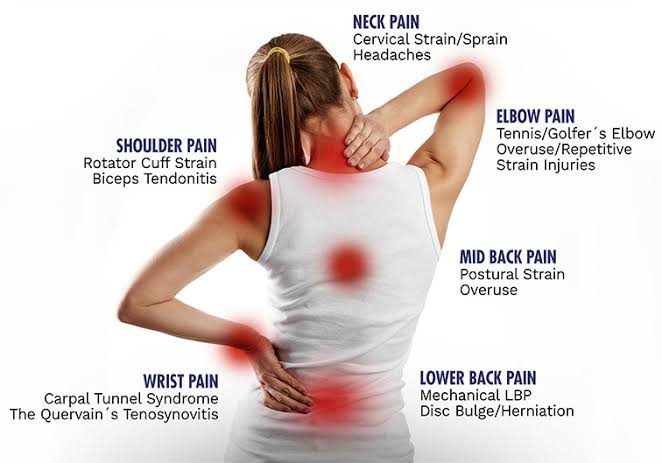
Because repetitive stress injuries build up quietly, people often miss the early warning signs until discomfort becomes a daily hindrance. Recognising the classic indicators of an RSI helps you intervene before a minor twinge turns into a chronic setback. The five primary symptoms include:
- Localised Pain and Aching: A persistent dull ache or sharp discomfort in the affected muscle, tendon, or joint during or after use.
- Tender Stiffness: Noticeable tightness or restricted movement in the area, particularly first thing in the morning or after periods of rest.
- Weakness and Reduced Grip: A noticeable drop in physical strength, such as trouble gripping objects, lifting weights you usually manage easily, or executing routine tasks.
- Numbness, Tingling, or Pins and Needles: Nerve related sensations resulting from soft tissue swelling compressing nearby pathways, which is common in carpal tunnel or thoracic outlet issues.
- Throbbing or Burning Sensations: A warm, burning feeling in the local tissue as micro trauma and localised inflammatory processes accumulate.
3. Why Repetitive Stress Injuries Take So Long to Heal
If you have ever suffered from chronic tendonitis or plantar fasciitis, you know how frustratingly slow the recovery process can be. The primary reason for this lies in tissue vascularity. Muscle tissue receives a robust, rich supply of blood, bringing a constant stream of fresh oxygen and nutrients to rapidly speed up cellular healing. Tendons and ligaments, on the other hand, have a significantly lower blood supply, which inherently slows down their metabolic rate and cellular repair cycle.
Furthermore, because these injuries build up silently over months, the underlying movement and postural habits become deeply ingrained in your nervous system. By the time you feel noticeable, localised pain, the affected tissue has been operating well beyond its structural threshold for a long time. Simply taking a week completely off from the gym rarely solves the problem, and when you return without addressing the root cause, the same movement patterns or daily work tasks immediately re trigger the micro trauma cycle.
4. Will RSI Go Away on Its Own?
A common misconception is that a repetitive strain injury will simply vanish if you ignore it long enough or sleep it off. In reality, because RSIs are driven by cumulative mechanical overload, they rarely resolve spontaneously if the underlying triggers remain unchanged.
If you stop an aggravating activity entirely for a long period, the acute pain may fade. However, the underlying tissue remodelling, structural weakness, and movement dysfunctions remain. The moment you resume your normal work duties, typing habits, or training volume, the pain almost always returns. True resolution requires active intervention by modifying loads, correcting mechanics, and systematically rebuilding tissue capacity.
5. Is RSI a Permanent Injury? Will It Ever Truly Recover?
It is completely normal to wonder if a stubborn RSI means permanent structural damage. The encouraging news is that repetitive stress injuries are not permanent, and they can absolutely heal completely provided you shift away from passive waiting and towards structured, active management.
Soft tissues possess a remarkable biological property known as adaptation. Tendons and muscles remodel themselves based on the physical demands placed upon them. By introducing progressive, controlled loading, such as specific strength protocols or targeted Pilates work, you stimulate collagen synthesis and cellular repair, restoring the tissue to full structural resilience. Complete recovery is entirely achievable when you address the root mechanical cause rather than just chasing the symptoms.
6. How Long Do You Need to Rest for an RSI?
When people ask how long they need to rest for an RSI, they usually imagine weeks or months of complete inactivity. However, modern sports science and clinical rehabilitation show that complete, prolonged rest is often counterproductive.
Total inactivity causes tendons and muscles to atrophy and lose their load bearing capacity, making them even more vulnerable when you eventually return to activity. Instead of passive rest, the goal is relative rest and load modification. This means temporarily scaling back the volume, intensity, or frequency of the aggravating task rather than eliminating movement altogether. Guided by a structured rehabilitation plan, active movement promotes local blood flow and signals the tissue to rebuild, vastly shortening your overall recovery timeline.
7. How Chiropractic Rehab Breaks the Pain Cycle
Modern chiropractic rehabilitation goes far beyond temporary passive fixes like quick chiropractic adjustments or temporary relief. Effective active rehabilitation focuses on identifying the exact root cause of mechanical strain and systematically rebuilding tissue resilience from the ground up.
Through comprehensive biomechanical movement assessments, progressive loading protocols, and movement education, a sports chiropractor helps retrain how your body distributes force across joints. Instead of relying purely on passive rest, active rehab uses structured, graduated resistance to stimulate collagen synthesis in damaged tendons, restore full joint mobility, and teach you how to safely navigate your daily physical loads.
8. Pilates as Essential Cross Training for High Volume Athletes
Demanding training modalities, such as functional fitness and HYROX conditioning, demand an immense volume of repetitive, high intensity movements like sled pushes, heavy running, wall balls, and rowing. Because of this high volume and fatigue factor, competitors are exceptionally prone to repetitive stress injuries in the hips, shoulders, and lower back.
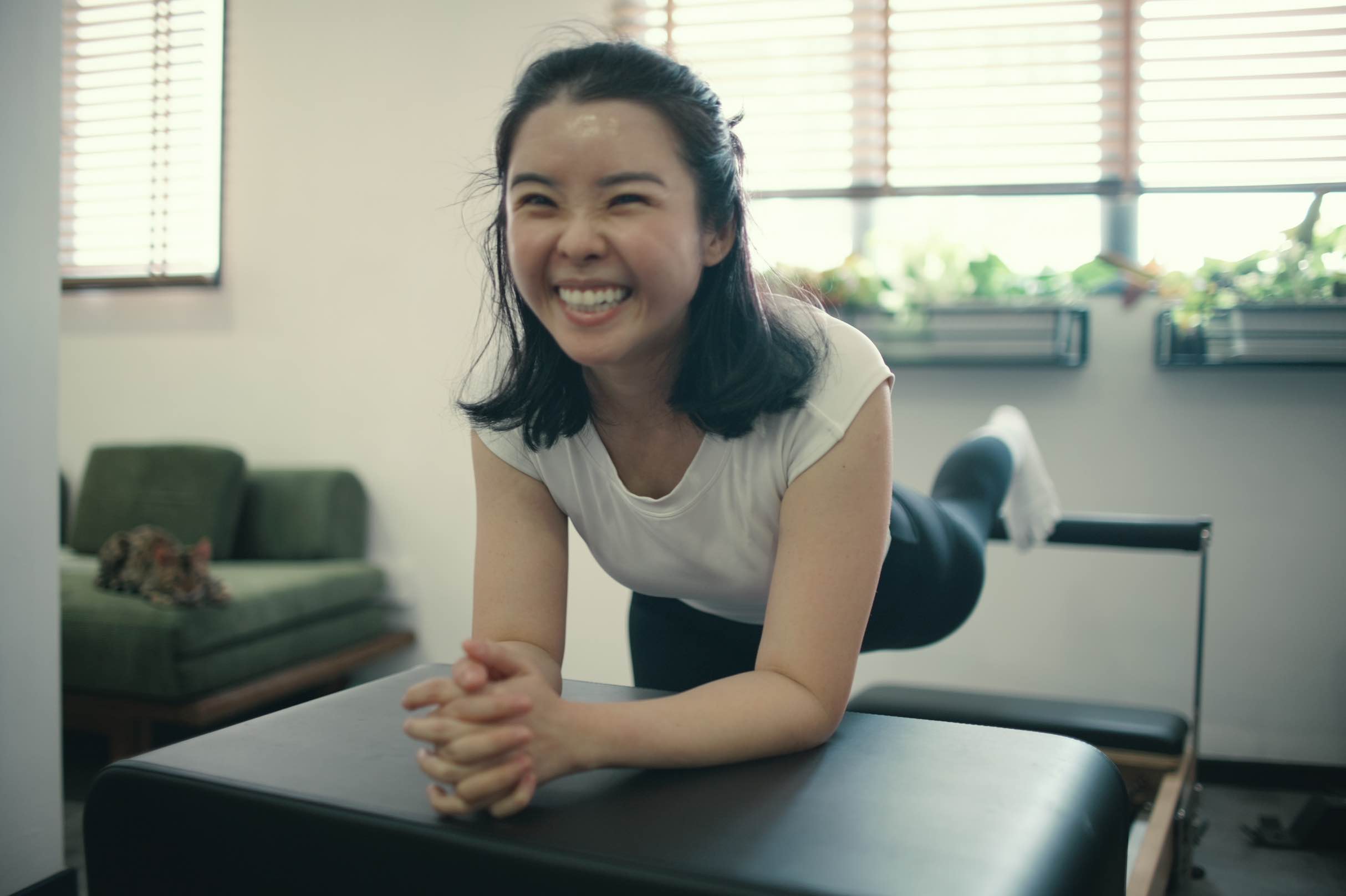
This is precisely where Pilates serves as an invaluable cross training tool. Pilates builds deep core stability, improves postural alignment, and strengthens smaller stabilising muscles that standard heavy lifting sessions often miss. By emphasising movement control, proper diaphragmatic breathing, and multi directional joint stability in low impact environments, athletes can correct muscular imbalances, smooth out movement inefficiencies, and build resilient joints capable of handling extreme physical demands.
9. Why Early Action Makes All the Difference
Ignoring minor twinges and trying to push through the pain is the absolute fastest way to turn a manageable, short term irritation into a chronic, stubborn condition. In the early stages of a stress injury, the surrounding tissue is merely experiencing low grade inflammation, making it exceptionally responsive to minor load modifications and biomechanical corrections.
When you seek professional guidance early, recovery usually takes a matter of weeks rather than several months. Proactively addressing fatigue, adjusting your training volume, utilising structured deload periods, and fixing lifestyle stressors at the very first sign of trouble prevents complex compensation patterns from setting in. This saves you considerable time, physical frustration, and unnecessary time away from your favourite activities.
10. Take Charge of Your Recovery with Square One
You do not have to let persistent aches slow down your athletic performance, dampen your workout momentum, or drain your daily energy. Understanding how daily physical strain accumulates gives you the tools to train smarter, move better, and live free from nagging pain.
At Square One Active Recovery, we focus on empowering you with evidence based care, active movement strategies, and personalised load management plans designed specifically for your unique lifestyle and goals.
Ready to resolve nagging injuries and build long term physical resilience? Book a clinical assessment with Square One Active Recovery today.
Key Takeaways
Keep these core recovery insights in mind:
-
1
Know the warning signs. Watch for localised pain, stiffness, weakness, tingling, or burning sensations before a minor strain escalates.
-
2
RSIs are not permanent. With proper load management and active rehab, tissues adapt and make full, long term recovery entirely achievable.
-
3
Modify loads instead of resting completely. Relative rest combined with progressive loading stimulates tendon repair much faster than total inactivity.

