
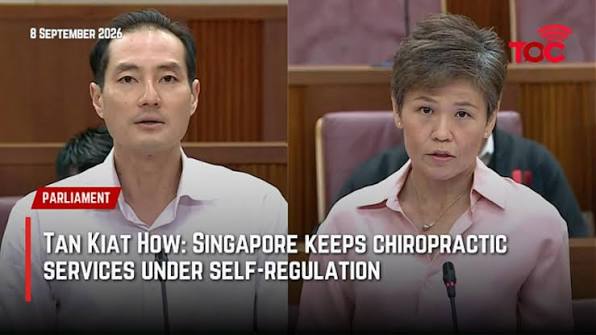
The Ministry of Health (MOH) reaffirmed its stance on the regulation of alternative therapies, stating that chiropractic treatment will not be formally regulated by legislation in Singapore. Instead, the healthcare landscape relies on self-regulation through professional associations and general consumer protection laws to address provider conduct.
This legislative decision raises significant questions regarding patient safety, consumer awareness, and the true cost of rare but catastrophic adverse outcomes resulting from manual high-velocity spinal adjustments.
1. Legislative Stance: The Pros and Cons of Non-Regulation
MOH’s approach focuses primary statutory regulation on healthcare practices with established clinical efficacy across broad populations. While this aligns with policy frameworks in several jurisdictions, leaving chiropractic care unregulated by health law carries distinct trade-offs.
Statutory Non-Regulation of Chiropractic in Singapore
| Pros of Non-Regulation | Cons of Non-Regulation |
|---|---|
|
Autonomy and Access: Patients retain freedom of choice to access complementary manual therapies for spine and joint management without government restriction. Proportionate Regulatory Resource Allocation: Statutory registration boards require substantial public infrastructure. Reserving direct legislation for mainstream medical disciplines concentrates state resources on primary medical care. Support for Self-Regulation: It encourages local industry bodies (such as the Chiropractic Association Singapore) to enforce voluntary codes of ethics, professional development, and practice standards among members. |
Lack of Title Protection and Verification: Without a statutory registry, members of the public cannot easily distinguish between fully credentialed practitioners and individuals operating with minimal or non-accredited training. No Unified Scope of Practice Enforcement: Unregulated practitioners may advertise unsubstantiated claims, such as treating non-musculoskeletal conditions, without facing health-board disciplinary actions. Absence of Mandatory Adverse Event Reporting: Unlike mainstream medical treatments where severe complications must be reported to health authorities, adverse outcomes from chiropractic manipulations remain largely untracked by public health registries. |
Local Complaints & Misrepresentation among Singapore Chiropractors
The absence of statutory oversight is a growing concern. Documented cases of public harm and questionable commercial practices has shown that self-regulation is insufficient.
Member of Parliament Poh Li San cited figures regarding chiropractic misconduct in Singapore:
- At least 61 cases since November 2020 involving individuals allegedly misrepresenting themselves as chiropractors, including reports of physical harm and unprofessional conduct.
- 21 public complaints since 2015 against Authentic Chiropractic, primarily concerning high-pressure prepaid packages or alleged substandard treatment.
These statistics underscore why statutory registration is essential. Without statutory legislation, unqualified or unethical chiropractors can exploit regulatory loopholes to leave consumers vulnerable to both financial loss and physical injury with little recourse.
2. What “Rare Adverse Events” Means in Reality
A common argument surrounding high-velocity spinal adjustments (specifically cervical neck manipulations) is that severe complications like vertebral artery dissection (VAD) and stroke are statistically rare. Epidemiological studies estimate the incidence of dissection following cervical manipulation at roughly 1 in 100,000 to 1 in 5,000,000 adjustments.
However, statistical rarity does not equal non-existence. For the individuals affected, the consequence is a 100% life-altering event.
The Mechanism of Risk
High-velocity, low-amplitude (HVLA) rotation or sudden traction on the upper cervical spine stretches the vertebral artery as it passes through the transverse foramina of the neck vertebrae. In susceptible vessels, this rapid torsional force can tear the arterial wall (dissection), leading to blood clot formation, vessel occlusion, or embolic stroke.
3. Documented Incidents and High-Profile Cases
While many adjustments occur without incident, high-profile legal, coroner, and news cases worldwide illustrate the severity of arterial dissection when it occurs:
- Allya Siska Nadya (Indonesia, 2016): A 33-year-old woman died hours after receiving neck manipulations at a Chiropractic First clinic in Jakarta. The case sparked nationwide scrutiny over foreign practitioners operating without proper local licenses or risk disclosure, leading to local police investigations and clinic closures.
- Katie May (USA, 2016): The 34-year-old model suffered a fatal stroke days after a neck adjustment by Eric Swartz. The Los Angeles County Coroner officially determined the cause of death to be blunt force trauma resulting in a vertebral artery dissection following chiropractic manipulation.
- Caitlin Jensen (USA, 2022): A 28-year-old university graduate experienced four dissected neck arteries immediately following a routine neck adjustment from T.J. Harpam, resulting in cardiac arrest, stroke, and permanent paralysis.
- Joanna Kowalczyk (UK, 2021/2025): A 29-year-old woman died from stroke complications following chiropractic therapy. A UK coroner’s inquest evaluated the contribution of cervical manipulation to arterial injury.
- Winnipeg Civil Lawsuit (Canada, 2025): A patient filed suit against her chiropractor from Maples Chiropractic alleging a sudden neck adjustment caused an immediate vertebral artery tear leading to severe stroke symptoms.
4. Clinical Safety and Consumer Awareness
With formal statutory regulation absent under current MOH policy, the responsibility of risk assessment falls heavily on consumers and individual practitioners.
To explore further clinical analyses of manual therapy safety and neck mechanics, refer to these resources on Square One Active Recovery:
- Is Chiropractic Treatment Safe in Singapore? An overview of treatment safety, practitioner qualifications, and clinical considerations in Singapore.
- The Dangers of a Y-Strap Neck Adjustment An examination of mechanical traction and rotational forces on cervical structures.
- Yes, Somebody Died After Seeing a Chiropractor: What Does This Mean for You? A look into epidemiological data, pre-existing vascular vulnerability, and stroke prodromes.
- Regulation is Important for the Chiropractic Profession in Singapore A historical perspective on why regulatory oversight protects both patients and professional integrity.
Key Patient Protections
- Demand Informed Consent: Practitioners should explicitly discuss potential vascular risks before performing high-velocity neck adjustments.
- Screen for Red Flags: Severe, unusual neck pain or new onset “thunderclap” headaches can be early symptoms of an arterial dissection already in progress.
- Know Your Rights: Under Singapore’s Consumer Protection (Fair Trading) Act and general common law, consumers have avenues for recourse regarding misleading claims or clinical negligence.
5. Moving Beyond Passive Adjustments with Active Recovery
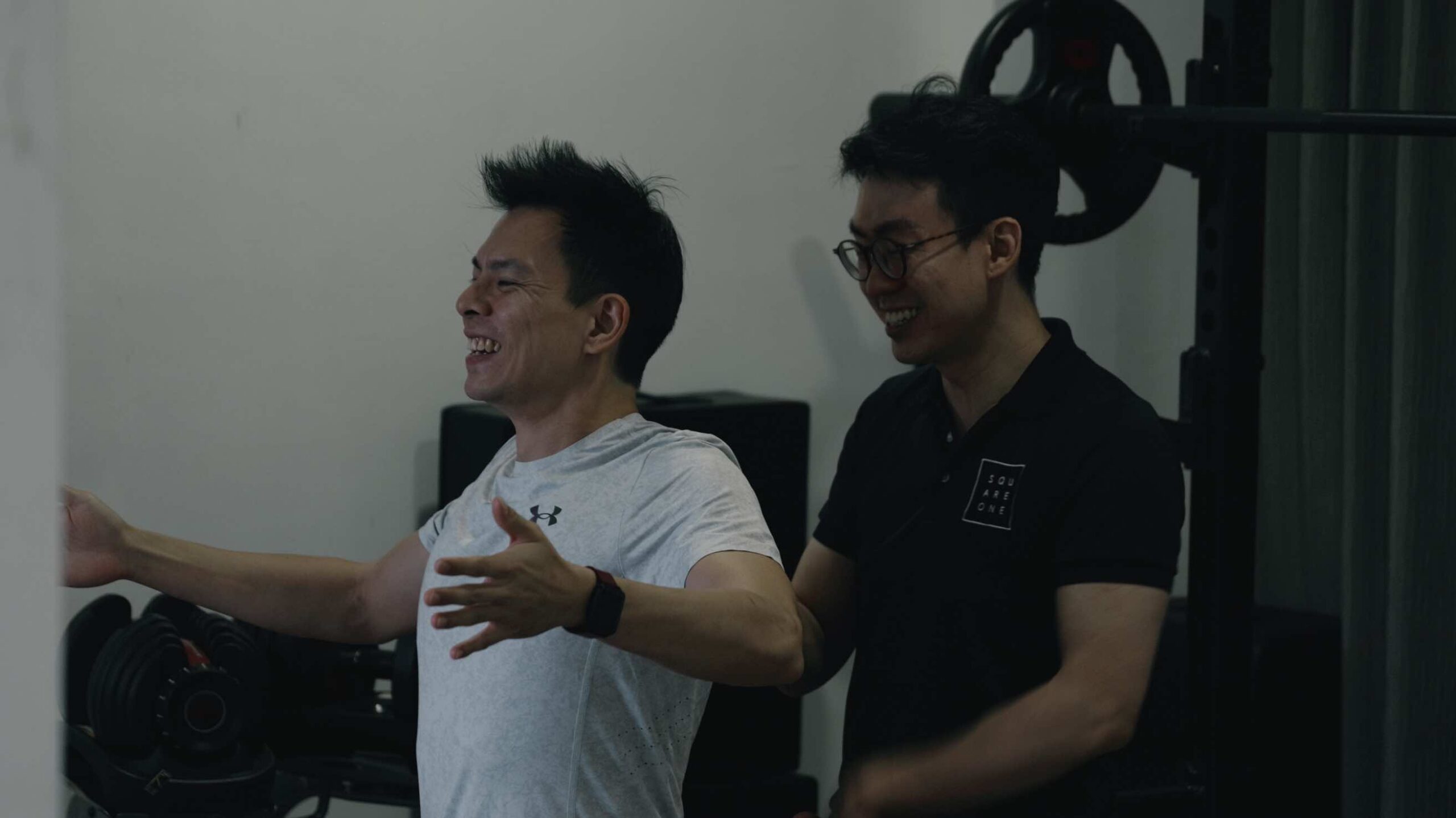
At Square One Active Recovery, we focus on evidence-based chiropractic rehabilitation. We replace passive joint cracking with targeted exercise therapy, strength training, and structured load management.
Instead of creating reliance on perpetual adjustments, active rehab conditions your muscles and spinal structures to handle everyday load, eliminating the need for high-velocity cervical thrusts. Learn more about our approach to neck pain rehabilitation in Singapore.
Ready to build a stronger spine safely and effectively? Book a clinical assessment with Square One Active Recovery today.
Key Takeaways
Essential takeaways on chiropractic regulation and stroke risks:
-
1
MOH Stance on Non-Regulation: Chiropractic care remains unregulated by health legislation in Singapore, leaving oversight to self-regulating associations and general consumer protection laws.
-
2
Statistical Rarity vs. Binary Consequences: While arterial dissection is statistically rare, the resulting stroke is a 100% catastrophic outcome for affected individuals and their families.
-
3
Active Rehab Eliminates Vascular Risk: Transitioning from passive high-velocity neck cracking to progressive active rehabilitation conditions spinal tissues without torsional arterial strain.

