
I recently caught up with a good friend from my university days in Australia, and our conversation turned to health. He mentioned he’d been suffering from recurring migraines, so he eventually saw a neurologist. The neurologist referred him to a chiropractor in Singapore. He went for two sessions but saw absolutely zero improvement.
Naturally, he asked: Why?
If you’ve ever wondered why chiropractic adjustments don’t cure a migraine, let’s break down what a migraine actually is, what drives it, and how to build meaningful, long-term physical resilience against it.

Why didn’t chiropractic care fix it?
To understand why two sessions of manual therapy didn’t help my friend, we have to look at what a migraine actually is. A migraine is not simply a stiff neck or a structural misalignment in the spine.
While neck pain can accompany a migraine (or trigger cervicogenic headache), a migraine is fundamentally a neurological disorder. In other words, migraine is a condition that involves your central nervous system, neurotransmitters, and cranial blood vessels.
Passive treatments like short-term spinal manipulations or massage cannot alter the underlying nervous system activity or vascular inflammation driving a migraine attack. Because migraines are a central neurological condition rather than a structural joint issue, relying solely on passive treatments often leads to a dead end.
1. What is a migraine?
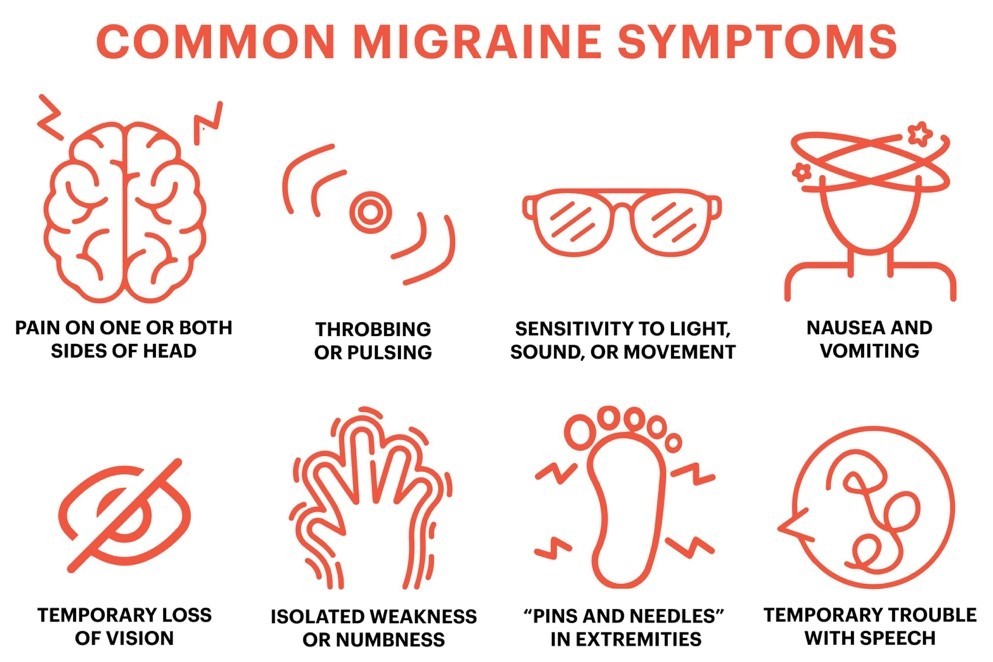
A migraine is more complex than a “severe headache.” It is a recurring neurological event that causes intense throbbing pain. Symptoms are typically localised to one side of the head and is often accompanied by nausea, sensory hypersensitivity, and sometimes visual auras.
Why is there a throbbing sensation during a migraine?
The throbbing sensation during a migraine is caused by a chain reaction of neurochemical shifts, blood vessel expansion, and heightened nerve sensitivity in the brain:
- Abnormal Brain Signalling: A migraine begins with a wave of altered electrical activity moving across the cerebral cortex.
- Inflammatory Chemical Release: This electrical wave stimulates the trigeminal nerve pathway (the main nerve of the head and face) to release inflammatory chemicals.
- Blood Vessel Expansion (Vasodilation): These inflammatory chemicals cause the blood vessels within the meninges (the protective membranes covering the brain) to swell, widen, and become hyper-sensitive.
- The Throbbing Pulse: Because these cranial blood vessels are now inflamed and sensitised, every contraction of your heart sends a pulse of arterial blood through them. That physical pressure wave pushes directly against the sensitive nerve endings in the vessel walls, registering as an excruciating, rhythmic throbbing pain with every beat.
In short, the throbbing pain of a migraine isn’t a mechanical neck problem or a muscle spasm. It is the physical sensation of your own blood flow pressing against inflamed, hyper-sensitive cranial blood vessels. This is why addressing a migraine requires interventions that target nervous system function and vascular health rather than passive joint adjustments.
2. What is the most common trigger for migraine?
Migraine brains are exquisitely sensitive to sudden shifts in internal or external homeostasis. Understanding your personal trigger profile helps you manage your baseline nervous system load.
Stress spikes and the “let-down” effect
Cortisol fluctuations are among the most frequent migraine catalysts. Interestingly, attacks often strike not during peak stress, but immediately after. Hence, the name “let-down” migraine.
When high stress levels suddenly drop (such as on the first day of a holiday or weekend), the rapid shift in neuroendocrine balance can trigger vascular rebound and provoke an attack.
Dietary variables and skipped meals
What you eat and when you eat can directly affect blood flow to your brain. Certain foods contain natural compounds or additives that irritate sensitive blood vessels and nerves. A classic way to remember the most common dietary culprits is the 5Cs of migraine triggers:
- Cheese: Aged cheeses (like parmesan, cheddar, or blue cheese) contain tyramine, an organic compound known to affect blood vessel contraction.
- Citrus: Fruits like oranges, lemons, and grapefruits contain histamine and synephrine, which can provoke headaches in sensitive individuals.
- Chocolate: Contains small amounts of caffeine and beta-phenylethylamine, which can alter brain chemical balance and spark an attack.
- Coffee (Caffeine): Inconsistent caffeine intake—or sudden caffeine withdrawal—can rapidly shift blood vessel diameter in the head.
- Cola (Carbonated drinks, Chinese food & MSG): Includes carbonated soft drinks, artificial sweeteners (like aspartame), and flavour enhancers like monosodium glutamate (MSG) or nitrates in cured meats that trigger blood vessel dilation.
Beyond specific foods, simply skipping meals is one of the most common triggers. When you go too long without eating, your blood sugar drops (hypoglycaemia). To cope, your brain releases stress hormones that cause blood vessels to widen, quickly sparking a painful migraine.
Sensory overload and environmental stressors
Hypersensitivity to external stimuli is a hallmark of the migraine brain. Bright or flickering fluorescent lights, loud repetitive noises, or strong chemical odours (such as perfumes or paint fumes) overstimulate the brainstem and visual cortex, lowering the threshold for a migraine attack.
Hormonal fluctuations in oestrogen
Oestrogen plays a critical role in brain function, helping regulate central nervous system excitability, pain perception, and blood vessel behavior in the head. Because the migraine brain relies on internal stability, sharp shifts in oestrogen levels act as a major trigger—which explains why women are three times more likely to experience migraines than men.
The most common hormonal trigger points include:
Menstruation
Just before your period starts, oestrogen levels drop sharply. This withdrawal triggers the release of prostaglandins, causing cranial blood vessels to dilate and provoking what is known as a menstrual migraine.
Perimenopause
During the transition toward menopause, oestrogen levels don’t just fall—they fluctuate wildly from day to day. This hormonal instability often causes migraines to become more frequent, unpredictable, and intense.
Postpartum shifts
After childbirth, high pregnancy hormone levels plummet almost overnight, frequently triggering severe headaches in new mothers during the immediate postpartum period.
If you are currently navigating perimenopause or midlife hormonal changes, dedicated support is available through the KK Women’s and Children’s Hospital Menopause Clinic.
Inconsistent sleep schedules
The migraine brain thrives on routine. Both sleep deprivation and oversleeping disrupt your circadian rhythm, altering melatonin production and hypothalamic function. Inconsistent sleep patterns alter pain sensitivity thresholds, making you significantly more susceptible to other co-existing triggers.
3. Quirky migraine home remedies: Do they actually work?
When an attack hits, you want functional relief. You might have heard of unconventional home remedies like drinking espresso or soaking your feet in hot water. Do they work? Surprisingly, yes. They do influence blood flow and neurochemistry to provide some relief.
Coffee (Caffeine)
Caffeine plays a dual role in acute migraine management. First, it acts as a potent vasoconstrictor, helping narrow those swollen, dilated cranial blood vessels. Second, caffeine acts as a hypoalgesic by competitively blocking adenosine receptors in the brain. Adenosine promotes central nervous system relaxation and amplifies pain signalling during inflammation. By occupying these receptors, caffeine blunts central pain transmission and enhances the absorption and efficacy of analgesics.
Note: Inconsistent or excessive caffeine intake can cause rebound withdrawal headaches, so moderation is essential. For some patients with caffeine sensitivity, coffee can trigger a migraine episode.
Soaking feet in hot water
This simple trick recently went viral on TikTok, with millions of users sharing videos touting hot foot baths as a fast, accessible “hack” for severe migraine relief. While social media health trends can often be dubious, this particular remedy actually has valid physiological reasoning behind it.
The remedy relies on peripheral vasodilation and circulatory redistribution. When you submerge your feet and ankles in hot water, the heat causes the blood vessels in your lower extremities to dilate significantly. This draws a large volume of blood downward away from your torso and brain.
By physically drawing blood flow down toward your feet, this simple heat therapy decompress the swollen blood vessels in your head, reducing pressure inside the skull and quickly dulling the throbbing pain.
Many migraine sufferers also pair this with placing an ice pack on the back of the neck. The combination of heat at the feet (to open lower blood vessels) and cold at the neck (to constrict upper vessels) enhances the redistribution of blood flow.

4. Does weight lifting help with migraines?
Weight lifting can help prevent migraines over time, but it works as a double-edged sword depending on when you do it.
Acute blood pressure spikes from heavy lifting can aggravate symptoms if you are currently in an active attack. However, structured, progressive strength training performed during symptom-free windows builds long-term vascular resilience. By improving blood vessel compliance and lowering baseline nervous system stress over time, regular resistance training raises your overall trigger threshold and reduces future migraine frequency.
Vascular changes during a heavy lift
When you perform a heavy compound movement (such as a squat, deadlift, or leg press), your body undergoes two distinct vascular phases:
- Intracranial & Arterial Pressure Spikes: If you hold your breath and brace your core (the Valsalva manoeuvre), intrathoracic pressure skyrockets. This temporarily restricts venous return to the heart, driving a rapid rise in arterial and intracranial pressure.
- Compensatory Vasodilation: The moment you finish the rep and exhale, intrathoracic pressure drops rapidly. This sudden release causes a swift, compensatory dilation of blood vessels.

Short-term trigger phase: Why heavy lifting can worsen an active migraine
If you are currently experiencing a migraine, recovering from a recent attack, or operating with a high baseline nervous system load, the acute vascular stress of maximum-effort lifting can exacerbate your symptoms. The rapid spike in intracranial pressure further stretches inflamed cranial vessels, aggravating the throbbing sensation or provoking a primary exertion headache.
Long-term prevention phase: How strength training builds vascular resilience
When you engage in regular, appropriately loaded resistance training during symptom-free windows, your cardiovascular and nervous systems undergo structural adaptations that raise your migraine threshold:
- Enhanced Endothelial Function: Resistance training improves the compliance and flexibility of your blood vessel linings (the endothelium), training them to better regulate blood flow and resist sudden, erratic vascular spasms.
- Angiogenesis and Cerebral Perfusion: Regular loading stimulates capillary growth (angiogenesis), improving baseline tissue oxygenation and metabolic waste clearance in both muscular and cerebral tissues.
- Autonomic Nervous System Regulation: Strength training lowers baseline sympathetic (“fight or flight”) tone over time, creating a more stable cardiovascular baseline that is less reactive to everyday physical and emotional stress.
To gain these long-term adaptations without triggering an attack, avoid maximum-intensity grinding (e.g., 1–3 rep maxes), refrain from prolonged breath-holding, and maintain fluid, controlled breathing throughout every movement.
5. Overhead press vs overhead squat for migraine management
Many people dealing with migraines also present with significant upper-back stiffness and altered neck mechanics, making overhead movements an interesting consideration.
In daily life, we spend vast amounts of time in sustained forward-head postures, leading to a stiff thoracic spine and an overworked cervical spine. Rebuilding movement capacity overhead is valuable, but execution is everything.
| Mechanics | Stiff Upper Back (Irritates Neck) | Mobile Upper Back (Protects Neck) |
|---|---|---|
| Thoracic Spine | Stays rounded: Forces lower back to hyperextend and neck to jam backwards. | Extends fully, creates a clean, vertical kinetic chain from hips to hands. |
| Scapular Control | Limited upward rotation: Upper traps overwork to “shrug” the load up. | Rotates cleanly, serratus anterior and lower traps stabilise the weight efficiently. |
| Head & Neck Alignment | Head juts forward (chin poke): Compressing suboccipital nerves at the base of the skull. | Ears remain stacked directly over the shoulders, cervical spine stays neutral. |
If your head pain is frequently provoked by suboccipital nerve compression or upper trapezius tension, forcing an overhead movement with poor mechanics will only load an already irritated region.
Between the two movements, a strict overhead press (performed with good thoracic extension and controlled load) is significantly easier to master and regulate than an overhead squat, which places extreme mobility demands on the entire body simultaneously. Building foundational movement quality and strength is one of the most practical ways to improve how your body handles physical stress.
6. Will my migraine improve with general exercise without weight training?
If heavy lifting sounds daunting, you might wonder whether general cardiovascular or mobility work is enough to create meaningful change. The short answer is yes. However, the type and intensity of movement dictate how much your migraine frequency will actually adapt.
Cardio (Running, Swimming, Cycling)
Sustained, moderate-to-vigorous cardiovascular exercise provides excellent systemic benefits. It elevates cardiac output and prompts positive vascular conditioning, helping raise your overall migraine trigger threshold.
On the other hand, casual walking, while great for general physical activity and stress relief, typically lacks the intensity needed to drive significant vascular structural adaptations.
Pilates & Yoga
Gentle modalities like low-intensity floor Pilates or yoga are fantastic for stress management, parasympathetic down-regulation, mindful breathing, and joint mobility. However, because they involve low cardiovascular demand and minimal mechanical loading, they rarely trigger the systemic circulatory adaptations needed to fundamentally alter neurovascular reactivity. They are a helpful supportive tool, but rarely a complete solution on their own.
7. Taking control of your neurovascular health at Square One Active Recovery
Managing migraines requires stepping away from short-term “band-aids” and looking at the bigger picture. Because migraines are a complex neurovascular condition, passive treatments like spinal adjustments, massage, or joint manipulations simply miss the mark. They fail to address the underlying neurochemical and vascular mechanisms driving your symptoms.
Lasting management comes from understanding your personal trigger baseline, utilising smart acute strategies when necessary, and systematically building your body’s vascular and metabolic capacity through active movement. If you don’t know how to safely navigate exercise around persistent pain or migraines, you don’t have to figure it out by trial and error.
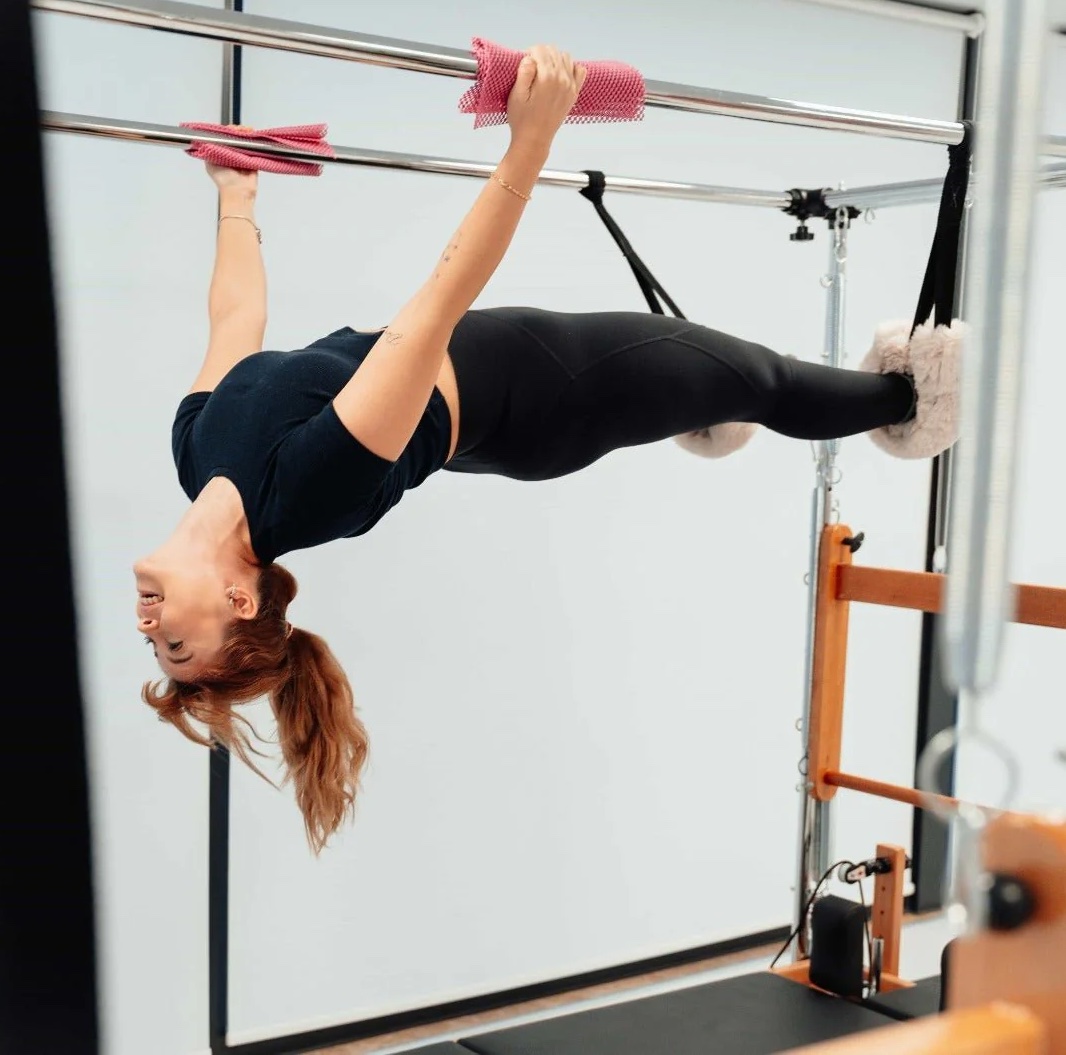
At Square One Active Recovery, we combine evidence-informed active rehabilitation using Clinical Pilates and progressive Strength Training. Whether you need to start gently to desensitise an overly reactive nervous system or progressively load your body to build long-term cardiovascular and muscular strength, we tailor every step to your current capacity so you can shift from feeling at the mercy of your symptoms to actively building resilience against them.
Have you experienced migraines? What exercise adjustments or lifestyle strategies have made a genuine difference for you?
Key Takeaways
Keep these essential principles in mind when addressing persistent migraines:
-
1
Neurological Reality: Migraines are neurovascular disorders, which is why passive spinal adjustments or passive treatments fail to resolve them.
-
2
Vascular Adaptations: Progressive resistance training builds long-term endothelial and metabolic resilience, raising your threshold against triggers.
-
3
Active Recovery Focus: True, lasting management comes from understanding your trigger baseline and building physical autonomy through active movement.

