
Most people don’t seem to have a working understanding of exercise dosage, especially when it comes to pain management.
If you want to take medications for your pain, you probably would choose between ibuprofen or panadol but not take both at the same time. You understand that dosage matters with medication. But such prudence is rarely observed when it comes to exercising in self-directed rehabilitation programmes.
You’ll see someone with shoulder pain doing stretches in the morning, then eccentric exercises they found on YouTube, then foam rolling or denneroll because their chiropractor mentioned it once, then resistance band work from Instagram, then more stretches before bed. All because they read about each intervention on different platforms.
This is why a lot of self-directed rehab fails. It’s not that exercises don’t work. It’s that people don’t understand how to dose them properly.
What is the tissue injury you are dealing with?
The first thing we need to establish when discussing exercise dosage and recovery timelines is the type of tissues that are injured or affected.
Are they muscles? Tendons? Ligaments?
These are the most commonly affected structures, but there are also others that can be involved such as fat pads, bursae, joint surfaces (e.g., labrum), or even nerve tissues.
One thing that most people don’t really consider, especially when they’re in pain, is that no tissues could be affected. In other words, you could be having a lot of pain with no tissue injury whatsoever.
While exercise also helps with such pain, the selection of exercises and programming will differ greatly from cases where there’s a true tissue-level issue. For non-specific pain, we’re often focusing on graded exposure and movement confidence rather than tissue healing timelines.
The pain without pathology paradox
If you are chronic pain, there is a good chance that you can have significant pain with no identifiable tissue pathology.
The research on this is quite robust. Studies using advanced imaging (MRI, ultrasound) have consistently shown that:
- Many asymptomatic individuals have structural “abnormalities” (e.g., disc bulges, rotator cuff tears, meniscal tears)
- Many symptomatic individuals have no identifiable structural pathology

This strongly suggest that pain and injury are two completely different things. Most of us associate one to be an indicator of another (e.g., more injury ➝ more pain, less pain ➝ injury getting less severe). However, this is not true!
This is because pain is a complex biopsychosocial phenomenon. It is not merely an indicator of tissue damage. Central sensitisation (i.e., altered or faulty pain processing in the brain), psychosocial factors, and movement pattern changes can all contribute to pain experiences in the absence of ongoing tissue injury.
While exercise helps with such non-specific pain, the selection of exercises and programming will differ greatly from cases with true tissue-level pathology.
Why tendon and ligaments take longer to heal
Tendons and ligaments tend to take much longer to recover compared to muscles. This is because they have very poor blood supply.
Poor blood supply means less nutrients being sent to the affected tissues. That means healing takes longer, and the exercise dosage will also have to reflect that reality.

It means slower progression and an expected four to six months for recovery as opposed to muscular injuries which can heal within weeks.
Because tendons have minimal blood supply, getting nutrients to the affected area very much depends on the compression and decompression of the joint through movement. By loading the joints, you force fluid out which carries waste materials away. When you decompress, fresh nutrients can be carried into the tendons.
There is also mechanotransduction to consider. Mechanotransduction refers to the conversion of mechanical stimuli into biochemical signals that tell your tendon cells to repair and strengthen.
With this understanding in view, you cannot just do stretches or eccentric exercises alone and expect outstanding recovery results with tendinopathy.
Yes, it’s true eccentric exercises have a role to play, especially in symptom modulation (aka pain relief), but that is simply just not enough for true recovery on a cellular level. You need progressive loading that actually stimulates tendon adaptation.
Too much repeated stress will make things worse
Exercise dosage is very important to get the right results. If you go too hard at the injury, it’s gonna flare up and worsen your pain. Even if the stressor can seem fairly benign (e.g., stretching).
Virtually everyone stretches when they have pain, but that is actually a very poor response to pain in most cases.
Stretching has very limited utility value
Stretching has very limited utility value. Beyond the fairly temporary pain relief it might provide, it doesn’t really do much for you in terms of actual tissue recovery.
The downside of regular stretching on an injured tissue is that it often becomes more painful over time.
Think of a cut on your skin. Will you keep nudging on the skin to pull it apart so it heals better? No. You will likely leave it alone so it has an opportunity to heal. You may even use hydrocolloid plasters to create an ideal environment for wound healing.
Similarly, when you have an injury, you don’t want to keep stretching it in the early stages. You need to give it time to heal.
One of the things your body needs is to allow a fibrin scaffold to develop so it can lay down new collagen for scar formation. Although there’s a lot of negativity about scarring in the wellness industry, scar tissue is necessary for structural support of the injured tissue. It is a natural and essential part of the healing process!
Constantly pulling on healing tissue through aggressive stretching can disrupt this process and delay recovery.
For more on why stretching doesn’t work the way most people think, check out our blog post on why your daily stretches aren’t helping.
Understanding the tissue healing phases to manage expectations
Tissue healing happens in phases, and what’s appropriate in one phase can be harmful in another. It’s not a case of how hardworking you are, and if you put in a lot more work into your rehab, you can overwrite this process. Know that tissue healing takes time and there is little you can do to truly accelerate it.
Inflammatory Phase (0-7 days)
Your body is clearing damaged tissue and initiating repair. Aggressive exercise during this phase can disrupt the fibrin clot formation and cause additional microtearing.
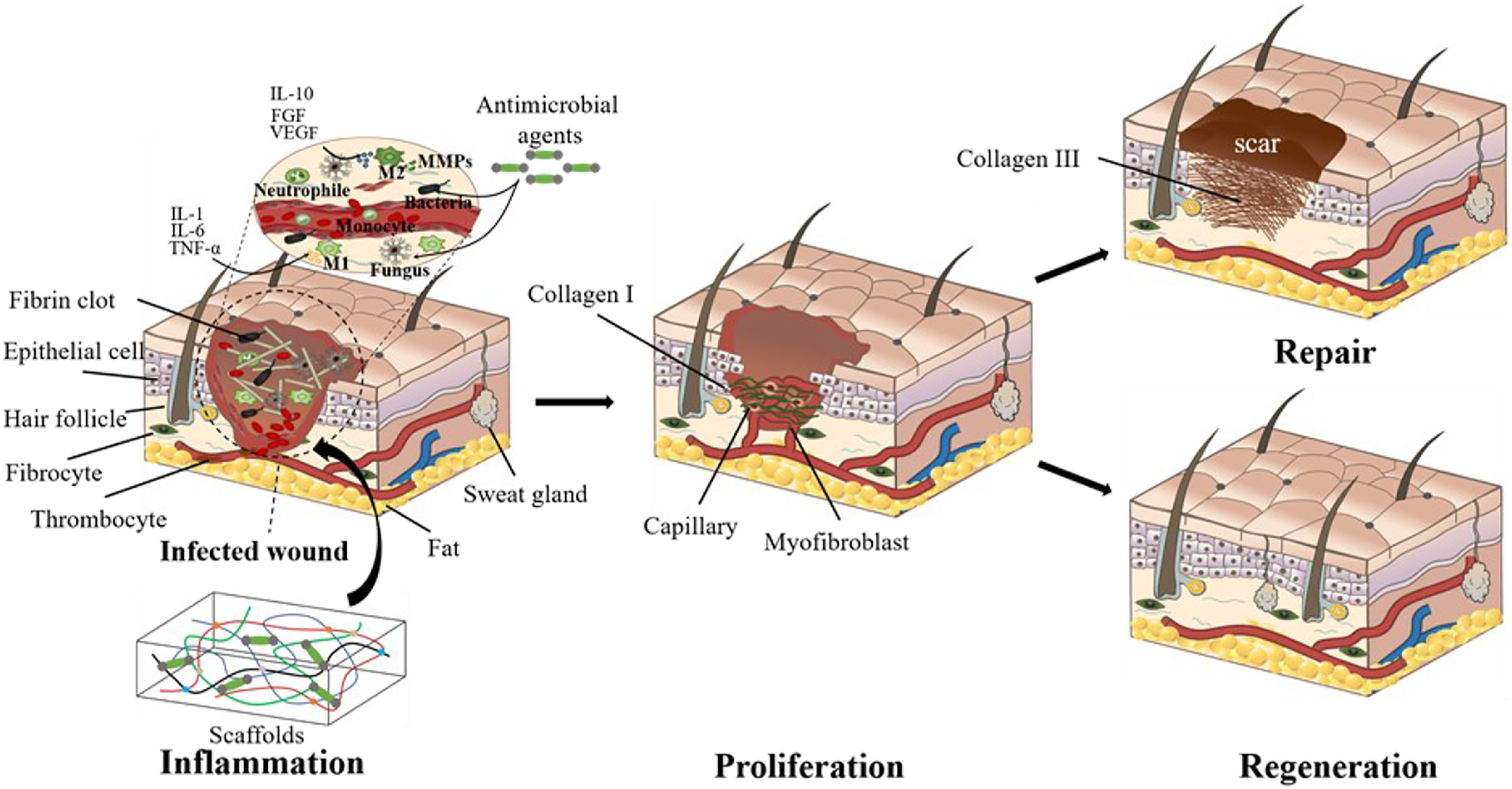
Proliferative Phase (7 days – 6 weeks)
Fibroblasts are laying down new collagen in a disorganised manner to bridge the injury site. Too much stress during this phase can disrupt the developing fibrin scaffold and prevent proper collagen cross-linking.
Remodeling Phase (6 weeks – 12+ months)
Collagen fibers are being reorganised along lines of stress. This is actually when controlled progressive loading becomes beneficial. But it should be gradual, not aggressive.
You wouldn’t repeatedly pull apart a healing cut on your skin and expect better results. Why would you do that to an injured muscle or tendon?
Understanding the acute:chronic workload ratio
One concept that’s crucial but often overlooked is the acute:chronic workload ratio.
This comes from sports science research. It refers to the ratio between what you’ve done recently (acute load—last 7 days) versus what you’re typically conditioned for (chronic load—last 28 days or four weeks).
When your acute load spikes relative to your chronic load, injury risk increases dramatically. Studies in various sports have shown that acute:chronic ratios above 1.5 significantly increase injury risk.
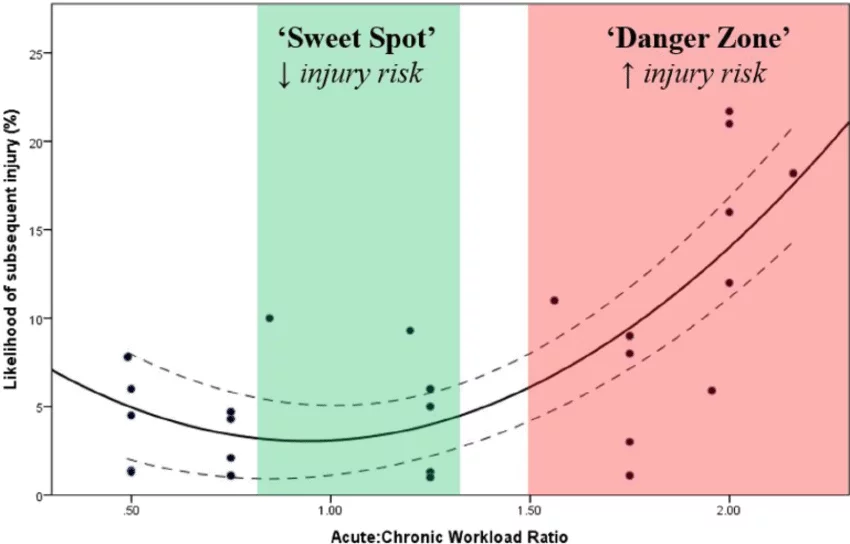
What this means practically: You can’t go from doing nothing to suddenly smashing through an aggressive rehab protocol just because you watched a YouTube video. Your tissues need progressive, gradual exposure to increasing loads.
This is also why weekend warriors get injured so frequently!
Why eccentric exercises alone aren’t enough for tendinopathy
Yes, eccentric or negative exercises (where the muscle lengthens under load) have been shown to help with tendinopathy. The research on eccentric training for Achilles tendinopathy (i.e., Alfredson protocol) and patellar tendinopathy is well-established.
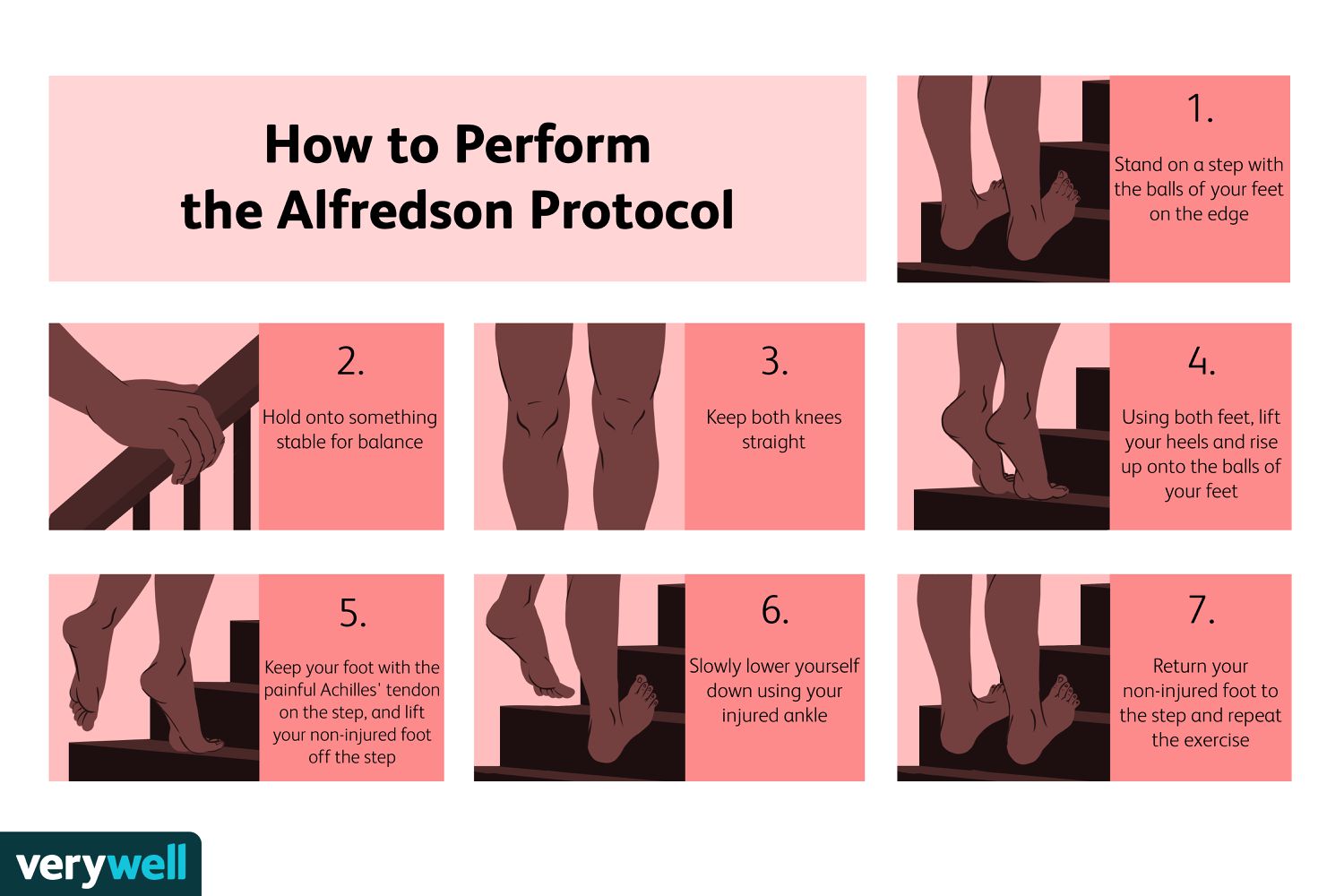
But here’s what people misunderstand: Eccentric exercises are valuable primarily for pain modulation and early-stage loading. Not because they have magical healing properties specific to the eccentric contraction.
However, limiting yourself to only eccentric exercises is insufficient for comprehensive tendon rehabilitation. You need:
- Progressive tensile loading (eccentrics, isometrics, heavy slow resistance)
- Energy storage and release training (plyometrics in later stages)
- Sport-specific loading (replicating actual demands)
- Adequate recovery between sessions (tendons need 48+ hours between loading)
If you’re just doing 3 sets of 15 eccentric calf raises every day because you read it online, you’re missing the bigger picture of tendon rehabilitation.
How does evidence-based exercising dosage for recovery looks like
For Muscle Strains:
- Initial phase (0-5 days): Gentle, pain-free isometrics
- Early loading (5-14 days): Progressive isotonic and/or eccentric exercises, submaximal loads
- Strengthening phase (2-6 weeks): Progressive resistance training, sport-specific movements
- Return to sport (6+ weeks): Full training loads with monitoring
For Tendinopathy:
- Pain management phase (0-2 weeks): Isometric holds (45-60 seconds, heavy load) or eccentric exercises, activity modification
- Early strengthening (2-6 weeks): Heavy slow resistance training (4 sets × 8 reps, slow tempo)
- Progressive loading (6-12 weeks): Continued resistance training, introduction of energy storage exercises
- Return to function (3-6 months): Sport-specific plyometrics, full loading
For Non-Specific Pain:
- Graded exposure: Start with movements you can do with minimal pain
- Progressive challenge: Gradually increase complexity and load
- Variable practice: Different movements, different contexts
- Self-efficacy building: Focus on what you CAN do, not what hurts
When to seek professional help for your chronic pain or sports injury
Self-directed rehab can work, but it requires:
- Accurate self-diagnosis (difficult without clinical expertise)
- Understanding of tissue healing timelines
- Ability to appropriately dose exercises
- Patience to follow evidence-based progressions
- Objectivity about your progress (hard when you’re emotionally invested)
If you’ve been trying self-directed rehab for more than 4-6 weeks without meaningful improvement, it’s time to get professional input.
At Square One Active Recovery, we don’t just prescribe exercises. We educate you on the underlying principles so you can self-manage effectively in the future. Our goal is to make ourselves redundant to you, not to create ongoing dependency on treatments.
We don’t do temporary pain relief like chiropractic adjustments, dry needling, or soft tissue therapy. We use evidence-based exercise rehabilitation that respects tissue healing biology and progressive loading strategies.
Based in Singapore at Hong Lim Complex (Chinatown) in Singapore, we’re here to help you understand your pain and recover properly. If your self-directed rehab isn’t producing results, book an appointment to learn how proper exercise dosage can make all the difference.
BOOK A CHIROPRACTOR IN SINGAPORE
Based in Singapore, Square One Active Recovery offers treatments with a very big difference. With our evidence-based exercise approach, you can achieve your recovery goals in just 12 weeks. Not getting results from your chiropractor, TCM doctor or physiotherapist? Talk to us and find out how we can take your recovery to the next level.
Our goal? To make our own services redundant to you.
*We do not offer temporary pain relief such as chiropractic adjustments, dry needling, or any form of soft tissue therapy.

