
Clinical guidelines increasingly urge pain patients to use physical exercise to manage chronic pain. Yet, most medical doctors still offer little more than vague advice to “be more active.” Despite consistent medical evidence showing that structured exercise can match or even surpass medications for managing chronic musculoskeletal pain, a visit to your local general practitioner for back pain is far more likely to end with a prescription for painkillers than a structured exercise plan.
Why don’t doctors prescribe exercise as medicine? At Square One Active Recovery, we examine how medical training, healthcare roles, cultural expectations, and the nature of physical rehabilitation shape the way care is delivered today.
1. Exercise prescription requires subject matter expertise
It is easy for a doctor to offer broad advice like sit-ups are good for your core or a stronger core helps back pain. But knowing a concept on paper is vastly different from writing a safe, progressive exercise prescription. This is why most GPs default to prescribing medication such as anarex or anti inflammatories.
The reality is that medical doctors are not adequately trained in exercise prescription. It is not part of their scope of practice! While interest in physical well-being and exercise among medical professionals has certainly grown over the years, taking a personal interest in fitness is not the same as being qualified to deliver physical rehabilitation in a professional capacity.
Medical school equips doctors to diagnose disease, interpret scans, and manage pharmacology, but it does not provide the hundreds of hours of clinical training needed to design and coach exercise programs.
Unlike prescribing a pill, a proper exercise dosage requires answering very specific clinical questions:
- Which exact core exercises are right for your specific condition?
- How many sets and repetitions do you need to trigger tissue adaptation?
- How long should you rest between sets, and how many days a week should you train?
- Crucially, how do you modify the movement if it hurts?
Effective exercise prescription operates within a narrow therapeutic window. Exercise load cannot be too light or there is zero physical adaptation and no recovery. At the same time, it cannot be too aggressive or it will flare up your symptoms, aggravate the injury, or trigger compensation patterns elsewhere.
Managing these variables requires dedicated clinical movement expertise that traditional medical training simply isn’t designed to deliver.
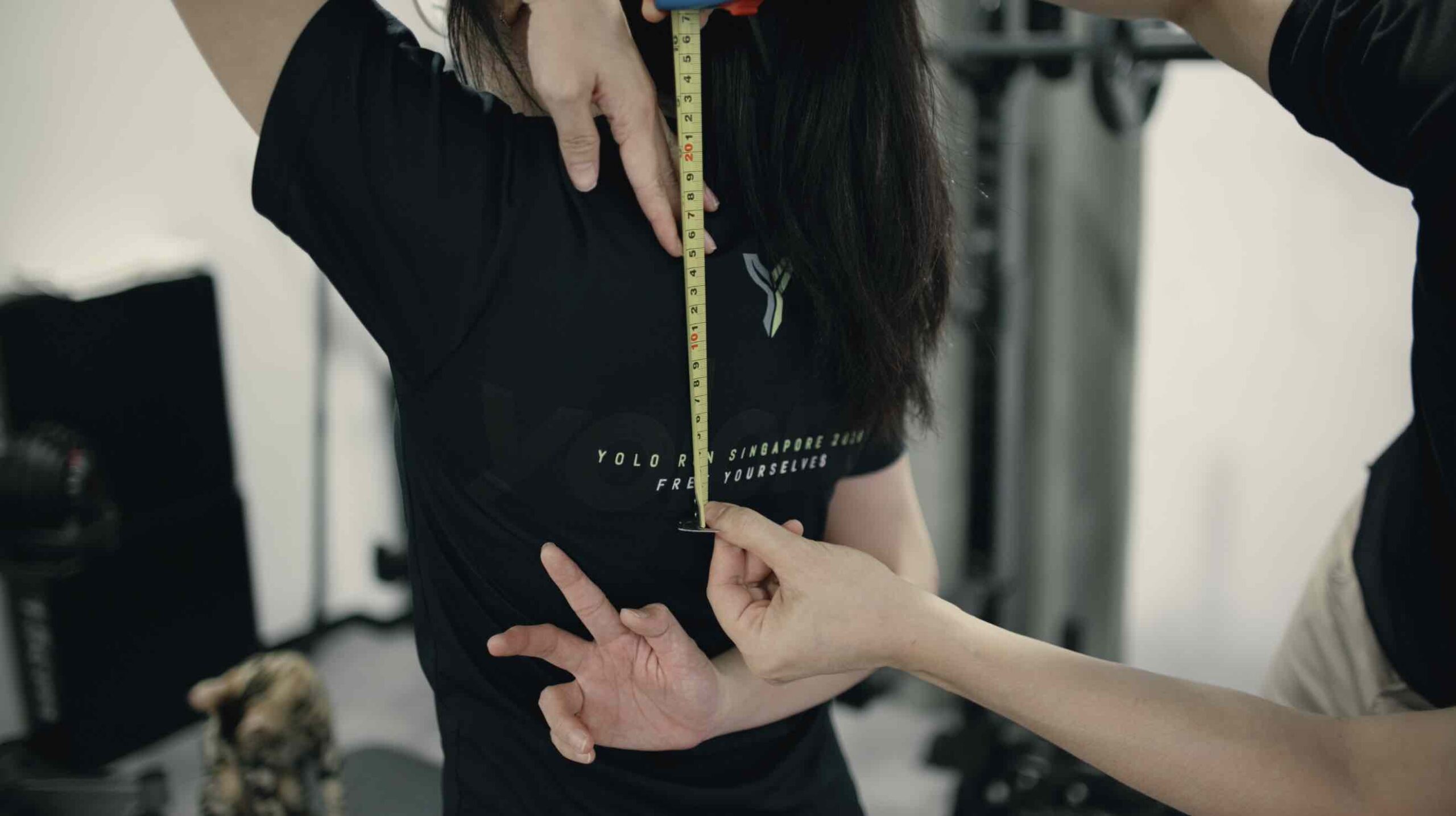
2. Knowing how to exercise vs. coaching others are two different domains
Even when a doctor personally exercises or understands basic muscle anatomy, this knowledge does not automatically translate into knowing how to coach someone else through it.
Take for example parents who are exceptionally good at mathematics, when they sit down to help their child with math homework, frustration quickly sets in. This disconnect occurs because of the gap between understanding a subject and teaching it effectively. This is precisely why parents send their children for tuition! Similarly, personal fitness is vastly different from clinical coaching.
Medical education focuses heavily on pathology, disease diagnosis, pharmacology, and acute care. It rarely provides the hundreds of hours of practical training needed to teach movement mechanics, communicate subtle movement cues, or troubleshoot when a patient executes a drill incorrectly.
Ultimately, everyone already knows exercise is good for them! Coaching is not about simply telling a patient what to do or giving generic advice to “stay active.” True coaching is about journeying alongside a client to guide them from their current pain state all the way to their physical goals. It requires active problem-solving, real-time adjustments, and ongoing support to get them to where they want to be.
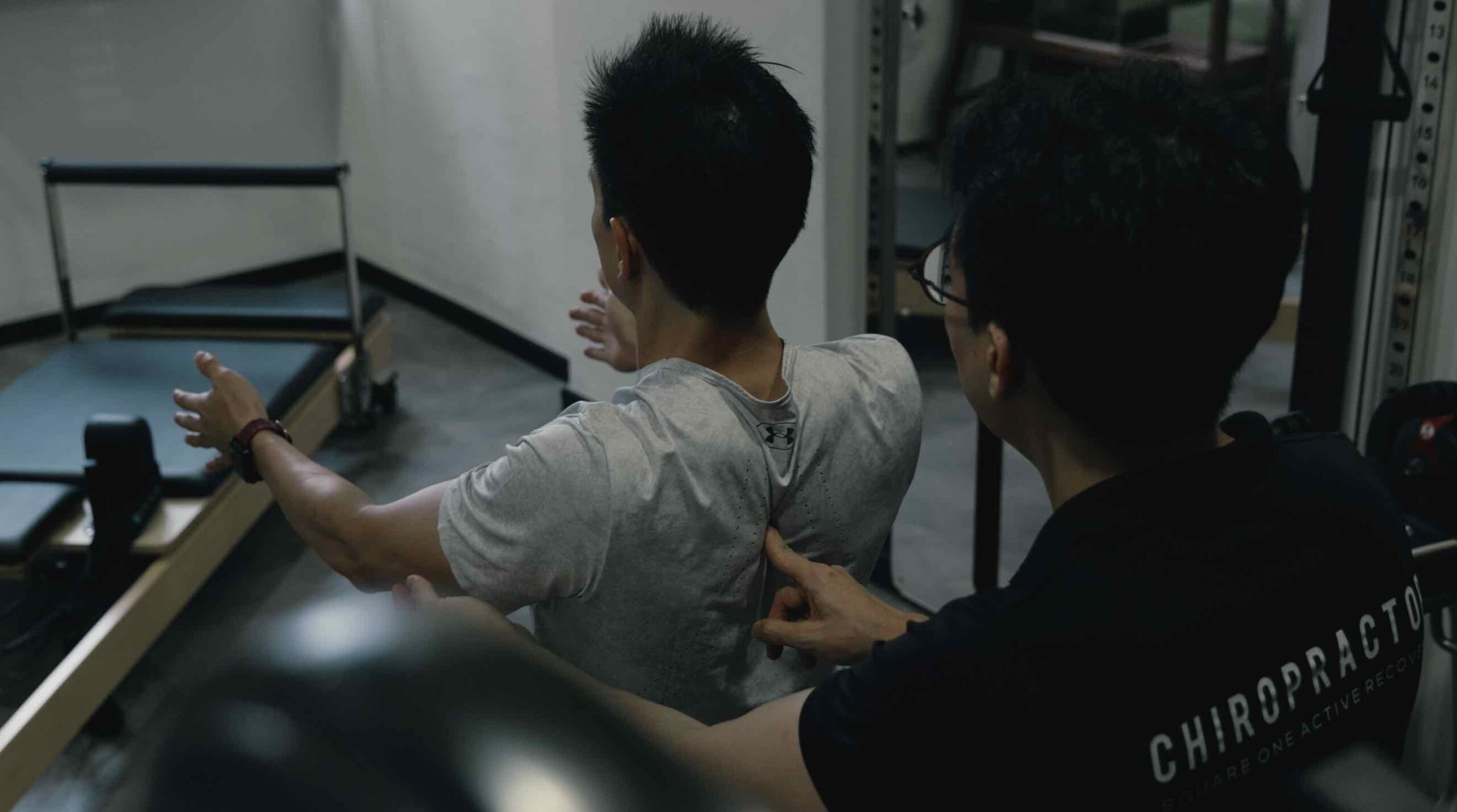
3. How personal habits and psychological barriers stop doctors from prescribing exercise
Doctors are human and their personal lifestyle choices heavily influence what treatments top their mind during a consultation. When a physician does not exercise regularly, it creates distinct psychological barriers to prescribing movement.
Why doctors struggle to guide patients through exercise rehab
Understanding exercise in theory is vastly different from experiencing the physical and psychological demands of building a movement habit. When a general practitioner or medical doctor does not personally engage in regular strength training or exercise, a subtle but significant empathy gap forms between the clinician and the patient.
Adopting an active recovery lifestyle or starting a new exercise program requires navigating very real physical friction:
- Managing muscle soreness & initial discomfort: Delayed onset muscle soreness (DOMS), temporary joint stiffness, and physical fatigue can feel alarming to a patient already in pain. A doctor without personal training experience may mistake normal post-exercise adaptation for injury aggravation, leading them to prematurely advise the patient to “stop exercising” rather than guiding them through tissue adaptation.
- Overcoming habit friction & time constraints: Building a sustainable exercise routine demands discipline, scheduling adjustments, and mental resilience. Without first-hand experience balancing workouts alongside a busy lifestyle, it is difficult for a physician to provide realistic strategies for habit formation, motivation, and long-term compliance.
- Navigating the fear of movement (kinesiophobia): Patients with chronic back pain or joint issues are often terrified that movement will cause structural damage. Bridging this gap requires high clinical empathy—understanding how to reassure patients, validate their hesitation, and walk them through the psychological barrier of loading a painful body part.
Without this lived experience, a doctor may view exercise simply as a check-box recommendation rather than a dynamic, human process. Consequently, when a patient raises concerns about soreness or lack of time, the clinician is far more likely to pivot back to what feels safe and comfortable: prescribing medication or recommending rest.

Why imposter syndrome stops doctors from prescribing exercise to patients
Recommending that a patient change their lifestyle, join a gym, or start progressive weight training can feel deeply disingenuous if a physician does not practise what they preach. When a doctor feels out of their depth, prescribing movement creates dissonance and sometimes even imposter syndrome.
To avoid feeling hypocritical or out of their element, clinicians naturally default to familiar medical interventions like painkillers, anti-inflammatories, or passive rest. These traditional prescriptions feels safe and comfortable within their primary scope of training.
Ultimately, healthcare providers prescribe what occupies their daily headspace. If structured exercise and physical loading aren’t part of a doctor’s personal routine, movement simply won’t cross their mind as a front-line treatment when a patient presents with chronic pain.
4. A GP’s primary role is care coordination, not delivering every treatment themselves
Expecting a GP to construct, coach, and monitor a 12- or 16-week rehab program isn’t just unrealistic, it is outside of their scope in the healthcare system.
A GP is a first-contact provider and medical care coordinator. Their primary job is to evaluate your condition, rule out serious medical pathologies, provide initial diagnosis, and refer you to the right professional. Modern healthcare relies on a vast network of specialised disciplines:
- Chiropractors: In Australia, where Jesse completed his chiropractic training, chiropractors serve as allied health providers eligible for government health subsidies, specialising in complex spinal conditions and musculoskeletal rehabilitation.
- Physiotherapists & Exercise Physiologists: For movement assessment and rehabilitation
- Podiatrists, Dietitians, Psychologists, and Social Workers
No single practitioner can master all of these domains. A doctor’s main role isn’t to be your strength coach, dietitian, and counselor all at once!

At a Glance: Why Doctors Rarely Prescribe Exercise
The barriers preventing medical practitioners from prescribing exercise span clinical, structural, and cultural factors. Here is how they compare:
| Barrier Category | Core Challenge | Clinical Impact |
|---|---|---|
| Subject Matter Expertise | Broad advice vs. exact clinical dosage (sets, reps, progression) | Risk of under-dosing (no improvement) or over-dosing (pain flare-up) |
| Care Coordination Role | GPs act as triage and care coordinators, not all-in-one specialists | Requires referral out to movement professionals like chiros |
| Time & Consultation Format | Short 10-15 minute ad-hoc visits vs. multi-month rehab | Incompatible with iterative 12-week progressive rehab frameworks |
5. How patient expectations influence what doctors prescribe
When a patient books an appointment with a GP, they rarely expect to be taught how to move. Most patients only seek medical help when they are in substantial pain, at which point getting them to exercise simply is not going to happen for the vast majority.
In Singapore, decades of conditioning have reinforced what a doctor’s appointment should look like: a brief consultation, a diagnosis, a prescription for medication, a medical certificate (MC) for temporary work relief, or a referral to a specialist.
This creates a subtle bidirectional pressure within the consultation room:
- Implicit demand for immediate solutions: Patients presenting with acute pain or chronic discomfort often seek fast, tangible relief. Being asked to exercise runs directly counter to the immediate effect they are typically after.
- The comfort of standard care pathways: Doctors naturally respond to these implicit expectations. Offering medication or advising short-term rest satisfies the immediate demand of the consultation, allowing the visit to conclude within standard time limits without having to challenge the patient’s expectations, attitudes, or beliefs.
- Friction around lifestyle modification: Recommending active exercise is usually met with resistance. If a physician suggests exercise without the time or clinical setup to guide the patient through it, the advice can feel unhelpful.
Because both clinicians and patients operate within this traditional framework, prescribing medication or passive rest remains the path of least resistance. Shifting this dynamic requires recognising that while a medical consultation is designed to diagnose and triage, building a sustainable movement routine requires a dedicated rehabilitation environment built for active recovery.
6. Why rehab requires progressive coaching over single GP visits
Medical care is fundamentally structured around short, ad-hoc visits. Designed for swift triage, diagnosis, and acute symptom relief, a standard GP consultation typically lasts between 5 to 10 minutes. While this model works exceptionally well for managing infections or immediate medical concerns, it is inherently incompatible with pain or injury rehabilitation.
True structural recovery and tissue adaptation operate on an entirely different physiological timeline. Sustainable improvement requires ongoing iteration, structured progression, and close monitoring:
- Tissue adaptation takes time: Meaningful improvements in muscle strength, tendon load capacity, and joint resilience cannot be achieved in a single consultation or through a static exercise sheet.
- Recovery requires continuous iteration: Effective rehabilitation involves regular follow-up sessions to evaluate how your tissues are adapting to load, manage temporary flare-ups, and systematically adjust variables like resistance and volume as you grow stronger.
- Long-term commitment is essential: Clinical trials consistently demonstrate that effective musculoskeletal rehabilitation requires at least 3 to 4 months of structured, consistent movement.

Why active rehabilitation is a skill that demands regular training
In rehabilitation settings, adhoc treatments rarely drive successful outcomes. While research on optimal session frequency varies, with some studies suggesting appointments every two to three weeks may suffice, most robust clinical trials structure protocols around twice-weekly sessions to ensure consistent progress.
If we view physical rehabilitation as a movement-based, skill-driven modality where patients are taught how to move, load, and adapt, it becomes clear that once-a-week sessions (or fewer) are far from optimal. Consider learning the piano or violin: weekly lessons is the bare minimum for skill acquisition. In secondary schools, co-curricular activity (CCA) trainings are scheduled at least twice weekly to build competency and motor skill retention.
Why should musculoskeletal rehabilitation and movement retraining be expected to work any differently?
7. Doctors choose medication because of the predictable treatment response
Medication yields a highly predictable biochemical response. A pill works regardless of a patient’s self-efficacy, schedule, or movement confidence. Exercise, by contrast, relies on a web of complex human variables: compliance, correct movement mechanics, fatigue management, adequate nutrition, and quality sleep.
For a GP, prescribing medication offers a reliable and immediate intervention. Recommending an active exercise program introduces dozens of lifestyle factors that cannot be controlled or coached within a GP consultation, making medication the default choice for most GPs.
Bridging the gap at Square One Active Recovery
Your GP plays a vital role in clearing you for physical activity and ensuring your pain does not stem from a underlying medical condition that requires further investigation. Once serious medical pathology has been ruled out, achieving long-term resolution and true physical resilience requires structured, progressive exercise.
This is where the dedicated exercise rehabilitation at Square One Active Recovery can help you to find long-term physical independence.
Deep expertise in spinal health and musculoskeletal nuance
As chiropractors, we bring specialised subject-matter expertise directly to back pain, neck aches, and persistent spinal stiffness. We understand that spinal pain is rarely just about an isolated joint or muscle. It is how your body work together as whole.
True recovery requires addressing the interconnected factors that frequently accompany spinal issues, such as core motor control, hip mobility restrictions, or altered lower-limb mechanics. Having this granular clinical lens allows us to target the actual functional drivers of your discomfort rather than relying on generic stretches or passive symptom relief.
Covering all stages of recovery and active ageing
At Square One Active Recovery, our scope extends far beyond basic injury management. We use targeted, progressive loading to guide clients through every stage of their physical journey:
- Prehab (pre-surgery preparation): Helping clients build strength, mobility, and tissue resilience prior to an elective surgical procedure to ensure a smoother, faster post-operative recovery.
- Post-operative rehabilitation: Safely rebuilding tissue load tolerance, restoring functional joint range of motion, and re-establishing motor control following surgery.
- Acute pain management: Utilising nervous system desensitisation strategies and controlled movement to calm acute muscle spasms and hyper-reactive pain pathways.
- Return to sport and peak performance: Bridging the gap between being symptom-free in daily life and returning to high-impact athletic demands, gym training, or recreational sports without fear of re-injury.
- Oncology and chronic illness exercise support: Work with cancer patients and survivors to safely manage treatment-related fatigue, preserve lean muscle mass, support bone mineral density, and enhance quality of life.
- Active ageing and musculoskeletal longevity: Helping older adults build physical resilience for their golden years by combating sarcopenia (age-related muscle loss), stimulating bone density to treatment osteoporosis, and rebuilding joint load capacity for osteoarthritis.
A graduated, low-friction loading progression
Rehabilitation is not an all-or-nothing endeavour.
For clients who feel hesitant, in uncontrolled pain, or have been sedentary, we always start gently. Exercises may start with bodyweight progressions and Clinical Pilates to desensitise the nervous system and help the body comfortably adapt to initial loading.
As your tissue tolerance and movement confidence improve, we systematically progress toward muscle strengthening, weight training, and functional movement exercises.
Training for real-life independence
We believe true healthcare independence means you should not be bound to a clinic indefinitely. For clients who prefer to train on their own without perpetual direct supervision, we teach proper movement mechanics using equipment readily available at their regular gym or at home. Our primary objective is to make ourselves redundant by equipping you with the exact skills, strategies, and confidence required to direct your own long-term recovery.
Summary: At Square One Active Recovery…
Keep these core principles in mind when transforming movement into your ultimate recovery tool:
-
1
Exercise as Clinical Medicine: We customise exact sets, reps, loading parameters, and movement regressions tailored specifically to your body’s current load capacity.
-
2
Deep Spinal Expertise: Drawing on specialised chiropractic rehab knowledge to solve complex back pain, neck stiffness, and associated core or lower-limb deficits.
-
3
Guiding Every Phase of Life: From prehab and post-op rehab to oncology support, acute pain relief, athletic performance, and bulletproofing your body against osteoarthritis, osteoporosis, and sarcopenia.
-
4
Meeting You Where You Are: Starting with gentle bodyweight work and Clinical Pilates, then progressing to heavy, robust strength training as your body adapts.
-
5
Long-Term Autonomy: Teaching you movement execution using standard gym equipment or home setups so you can own your physical health without long-term clinical dependency.

