
If you have ever felt a deep, nagging pinch in the front of your hip during a squat, or a sudden, unsettling giving out sensation when changing direction, you know how frustrating hip instability can be.
When the hip joint loses its structural integrity, everyday movements and sports participation can feel precarious. To understand why this happens and how to fix it, we have to look past simple muscle tightness and focus on foundational concepts like joint centration, lever versus stability muscles, and strength imbalances.
At Square One Active Recovery, our approach focuses on understanding why joints lose their function and how clinical active rehabilitation helps you build long-term physical resilience.
1. What is Hip Joint Centration?
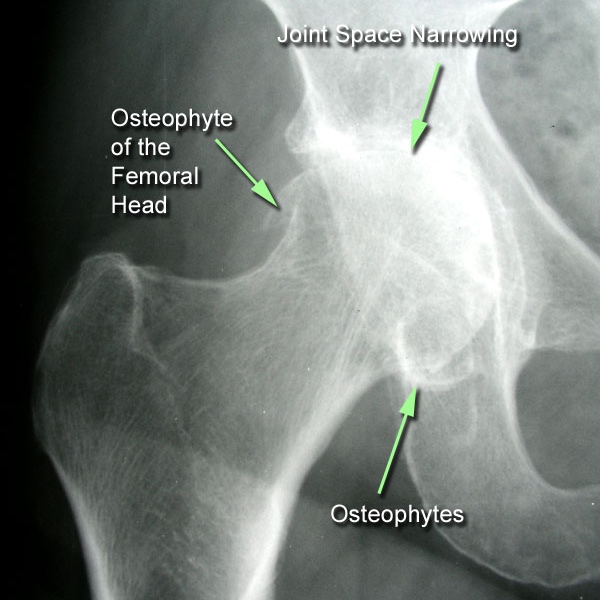
Imagine the hip joint (the femoral head meeting the acetabulum socket) like a golf ball sitting on a tee. In an ideal scenario, the ball stays right in the centre of the tee through every phase of movement. This is joint centration where the joint surfaces are aligned so that load is distributed evenly across the cartilage and supporting structures.
When a joint is centrated, the muscles surrounding it, both the prime movers and the deep local stabilisers, work in a coordinated and efficient sequence.
However, when joint centration is lost, the mechanics break down. If the head of the femur glides too far forward, backward, or superiorly inside the socket during movement, you get joint looseness or instability. The brain senses this lack of security and dials up muscle guarding, leaving you feeling chronically stiff and unstable all at once.

2. How your hip muscles divide work between lever muscles and stability muscles
To truly grasp why joints become unstable, we have to look at how our anatomy divides the labour of movement. The body relies on two distinct groups of muscles around the hip: lever muscles and stability or postural muscles.
The Lever Muscles (Global Movers)
These are your large, superficial powerhouses, such as the quadriceps, rectus femoris, and prime movers of the outer hip. They have long attachment points, span across multiple joints, and act like long levers. Their primary job is to generate massive amounts of torque, accelerate your body through space by moving your lower limb.
The Stability and Postural Muscles (Local Stabilisers)
These are the deep, short muscles lying closest to the joint axis, such as the deep short rotators of the hip, the posterior fibres of the gluteus medius, and deep capsule controllers. They don’t generate massive joint rotation or movements. Instead, their job is isometric and endurance-based.
In a healthy system, these two groups work in a seamless dance. The stability muscles anchor and centre the joint so the lever muscles can safely express high forces. But trouble starts when this division of labour breaks down.
3. Why sports like badminton cause hip instability through muscle imbalances
Why does this centration break down in the first place? You don’t need to be a professional athlete to fall into the trap of strength imbalances, but high-intensity sports provide a clear picture of how lever muscles overwhelm stability systems.
Take badminton, for instance. Badminton is a masterclass in explosive, multi-directional locomotion. Every match is a relentless series of rapid lunges, sharp decelerations, and explosive quad-driven pushes to cover the court.
If you play regularly, your quadriceps and superficial hip flexors, your primary lever muscles, are subjected to massive volumes of high-force, repetitive loading. Naturally, they adapt by getting exceptionally strong and powerful.
Here is where the mismatch occurs: Your global lever muscles adapt and grow much faster than your local stability and postural muscles.
If you keep hammering away at the sport without addressing this gap, a capacity mismatch takes over:
- The Overpowered Levers: Your quads and superficial flexors pull with immense force, dominating the mechanics of the joint.
- The Overworked Stabilisers: Your deep stabilisers, which are responsible for keeping that golf ball centred in the socket, simply cannot keep up with the sheer magnitude and velocity of the force generated by your primary movers.
Over time, this imbalance pulls the joint out of its optimal alignment. The femoral head begins to migrate improperly within the socket, micro-instability sets in, and what started as a great workout routine ends up as a compromised, irritable joint.
4. Why we struggle to train deep stability muscles
If stability work is so important, why do so many people abandon it? The answer lies in human psychology and basic biology.
Modern society is obsessed with fast, visible results. We want to see the gains, track the metrics, and watch the mirror change. But stability and postural work doesn’t offer that instant visual feedback.
Why deep hip stabilisers are hard to train
In the case of the hip, these stability muscles are deep, tucked far beneath your massive global lever muscles. You aren’t going to watch them grow in size or tone up in the mirror.
This creates a unique psychological and physical challenge for anyone recovering from joint instability or hip impingement. In a fitness culture obsessed with visible aesthetic markers like toned quads, sculpted glutes, or growing lifting numbers, deep postural stabilisers offer zero instant visual feedback. You cannot see your deep short rotators or posterior capsule controllers hypertrophy, and they will never give you a visible pump.
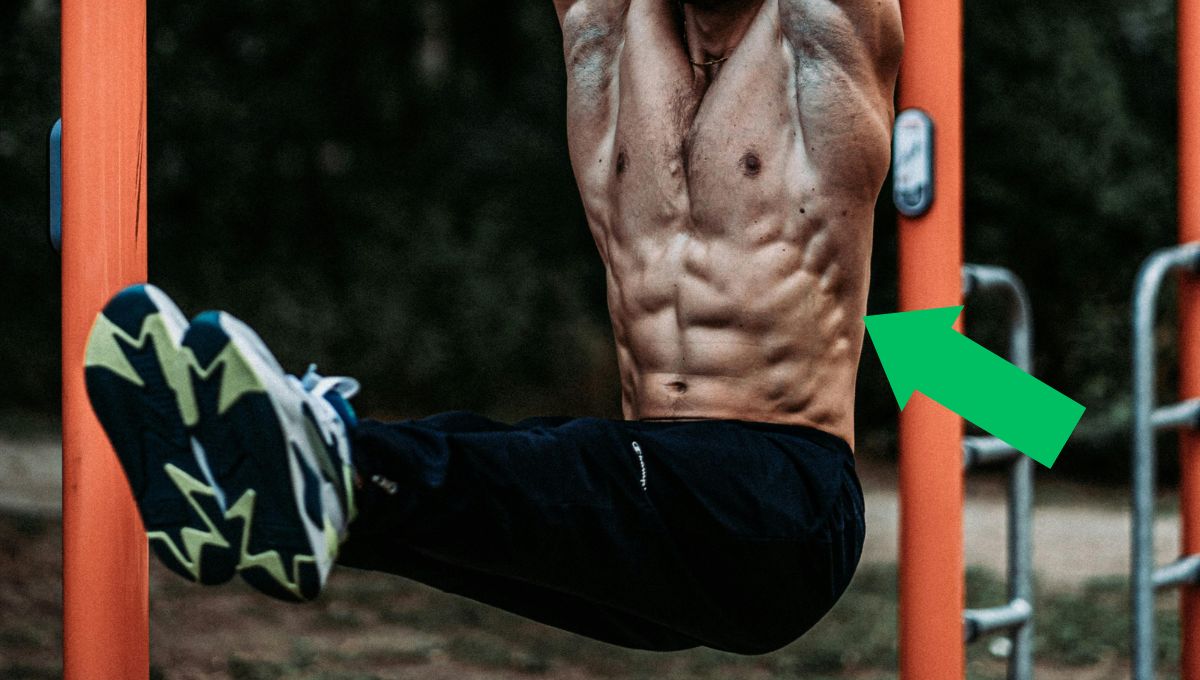
What the serratus anterior teaches us about deep joint stability
The serratus anterior is one of the only stability muscles in the body that we can actually see. Though it isn’t tiny, we only get to see a minuscule portion of it where it inserts on the ribs. Most of it lies deep underneath other muscle groups and the shoulder blade itself.
Even for the small portion we can see, these muscles are virtually impossible to hypertrophy in any meaningful way. Sure, you can work on them to improve definition by leaning out or enhancing activation, but they aren’t gonna get massive just because you do more wall slides.
Because stability training rewards you with improved neuromuscular control rather than a massive pump, progress feels slow, quiet, and unglamorous. But subterranean strength is what keeps the joint alive.
5. What are accessory exercises and why are they important? Why you need strength and conditioning
This brings us to a crucial realisation: Playing more of your sport is not enough to bulletproof your body against your sport.
Many people believe that if they are active, whether they play badminton on weekends, run, or cycle, they are automatically conditioning their bodies. But sports participation is inherently biased. A sport trains you to express force in specific, repetitive patterns dictated by the game. It hones your performance, but it rarely balances your architecture.
Everything else gets left behind!
This is where accessory exercises becomes important. Unlike compound lifts or high-intensity sport drills, accessory work allows you to zoom in on specific structural blind spots, isolate neglected stabilisers, and correct the imbalances that sports create.
However, accessory work is only the foundation. It must be paired with broader strength and conditioning so those targeted improvements translate into real-world resilience. Here is why both are non-negotiable outside of actual game time:
At a Glance: Global Lever Muscles vs Deep Hip Stabilisers
To understand why hip joint centration breaks down, it helps to compare the distinct roles, characteristics, and failure modes of these two muscle systems side by side.
| Muscle System | Examples | Primary Role | Impact of Imbalance |
|---|---|---|---|
| Global Lever Muscles | Quadriceps, rectus femoris, superficial hip flexors | Torque generation, power output, acceleration, and gross movement execution | Overpowers local control, pulling the femoral head out of optimal centration |
| Deep Local Stabilisers | Deep short rotators, posterior gluteus medius, hip capsule controllers | Joint centration, micro-translation control, and isometric socket alignment | Fatigue leads to joint slippage, impingement pinches, and compensatory stiffness |
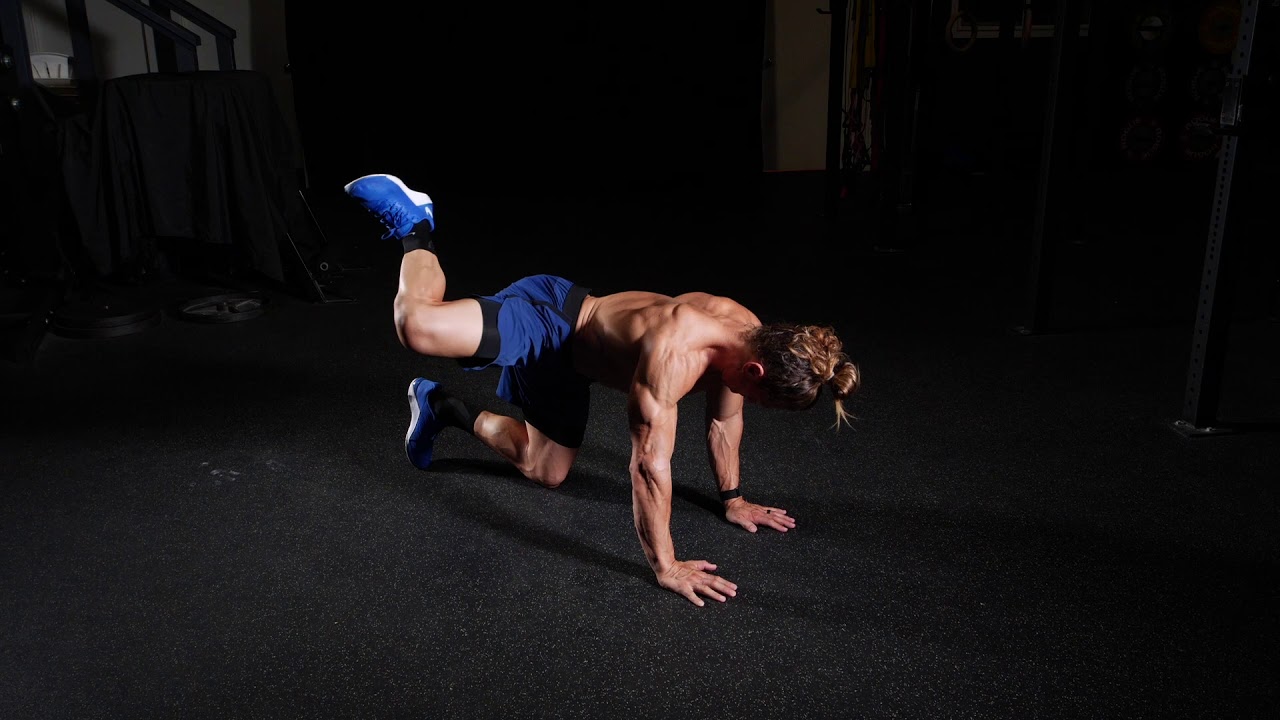
| Targeted Accessory Exercises | Controlled single-leg marches, rotational hip loading, clinical pilates drills | Isolates non-visual stabilisers and retrains dynamic motor control under load | Bridges capacity gaps, restoring centration before heavy strength progression |
6. What a proper hip stability rehab plan actually looks like
If you are currently dealing with hip instability or nagging joint irritation, patching things together with random stretches won’t cut it. A structured, intelligent recovery plan requires a systematic approach:
1. Deload from Aggravating Activities
It is usually beneficial to take 2 to 3 weeks off your aggravating sports or high-impact activities completely. This gives irritated or injured tissues time to rest and allows active inflammation to clear out. You cannot build a stable foundation on top of an acutely angry, irritated tissue.
2. Implement Smart Load Management
Stepping away from sports doesn’t mean you can never return. It all depends on the extent of your instability. For a successful rehab, you need to manage training variables:
- Reduce Frequency: If you were playing badminton 3 times a week, cut back to 1 or 2 times a week.
- Modify Intensity: If instability flares up during heavy squats, drop the weight or shorten your range of motion by reducing your squat depth.
A word of caution for athletes: Do not cut frequency just to increase intensity. We see athletes pack more effort into fewer training days because they think training less means they can try harder. If you push harder on your remaining days, you haven’t actually reduced your training load. You’ve just shifted it around, which is rarely enough to let the joint heal.
3. Restore Range of Motion and Joint Mechanics
Because of discomfort or structural instability, your body has likely adopted compensatory movement patterns to protect itself. Your rehab plan must focus on restoring healthy mobility and range of motion to re-groove normal movement patterns.
Never skip movement retraining, because if you already have an underlying issue and fail to fix how you move, your risk of reinjury is extremely high.
4. Learn Functional Movement and Exercise Technique
Take this time as a reset opportunity to revisit your movement mechanics from the ground up. Because your body functions as one integrated unit, a Frankenstein approach of treating isolated symptoms one by one is shortsighted.
Learn proper functional movement patterns, such as how to squat, hinge, and load through movement exploration, educational resources, or professional guidance, so your entire kinetic chain works together.
5. Expose Stabiliser Deficits Through Movement
As you begin working on your exercise technique, stabiliser issues will inevitably reveal themselves.
Take a wall sit, for example. Someone who is globally strong might be able to hold a static wall sit indefinitely because the large global movers are locked in. But what happens if you ask them to lift one leg up, performing wall sit marches? Suddenly, click, the hip slips or goes out of place. This is a sign of hip instability.
In practice, steps 4 and 5 happen concurrently. You try a movement technique, you uncover a stabiliser limitation, you address it, and you test it again.
Rinse and repeat.
6. Save Heavy Strength Training for Last
Strength training comes last in the sequence. If your hips are not stable enough yet, early heavy training will just drive you right back into instability because the load and intensity will pull the joints apart into instability.
You want to secure good movement and stability before you start building brute strength, because you want to strengthen the good stuff. Strengthening acts as an amplifier. If you start with a poor movement foundation or aberrant mechanics, heavy lifting will only make you even better at moving poorly.
7. Stop Guessing: Why a Clinical Approach Changes Everything
When dealing with a complex issue like hip instability, trying to fix it through a generic gym routine or standard personal training often leads to a frustrating cycle of hitting a wall. Without a clinical perspective, training is based on guesswork or workarounds. This is because the root instability is never specifically targeted and people often spend months or years wondering why their hip never got better.
Generic strengthening programmes won’t help a compromised hip. In fact, early, unstructured strengthening will often make it worse.
Figuring out how hard to push, when to progress, and precisely when to back off is an intricate science. It takes true subject matter expertise to navigate the fine line between therapeutic loading and re-aggravation.
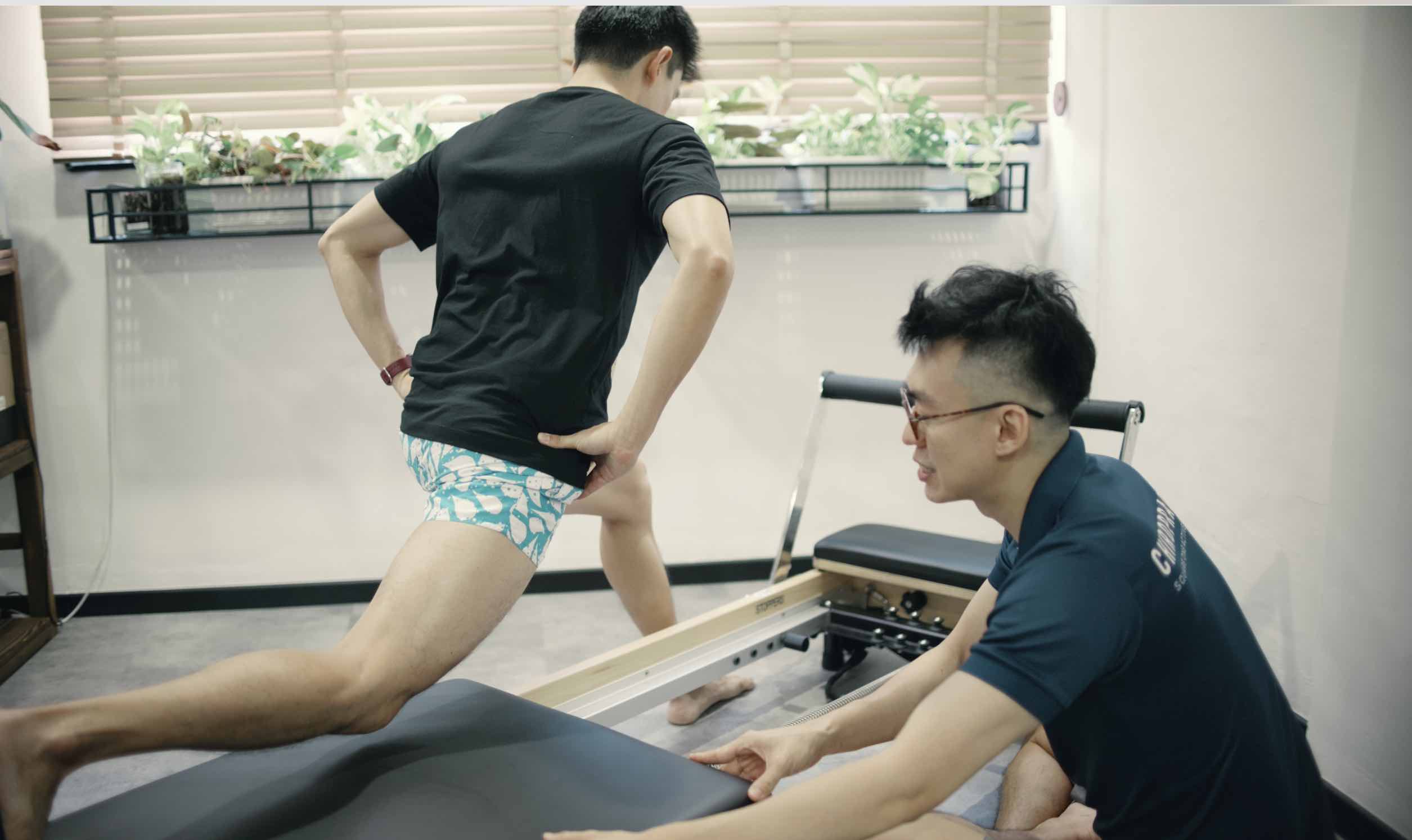
This is why a professional, chiropractor led and clinical based approach makes all the difference. At Square One Active Recovery, we don’t rely on generic fitness templates. We begin with a rigorous biomechanical assessment to map out your specific movement limitation, identify where the stability-lever mismatch is happening, and build a custom recovery plan from the ground up.
If you are tired of patching up your hip pain and want a methodical, science-backed path back to the activities you love, get in touch with us at Square One Active Recovery, because true resilience starts with understanding how your body is actually moving.
Key Takeaways
Keep these essential principles in mind when addressing persistent hip instability:
-
1
Joint Centration: True joint health relies on keeping the femoral head centred in the socket so loads are distributed evenly across supporting structures.
-
2
Levers vs. Stabilisers: Powerful global movers outpace deep local stabilisers during high demand sports like badminton, leading to structural mismatch.
-
3
Clinical Guidance: A chiropractor led assessment helps map your specific biomechanical leaks so you can build stability before heavy strengthening.

